
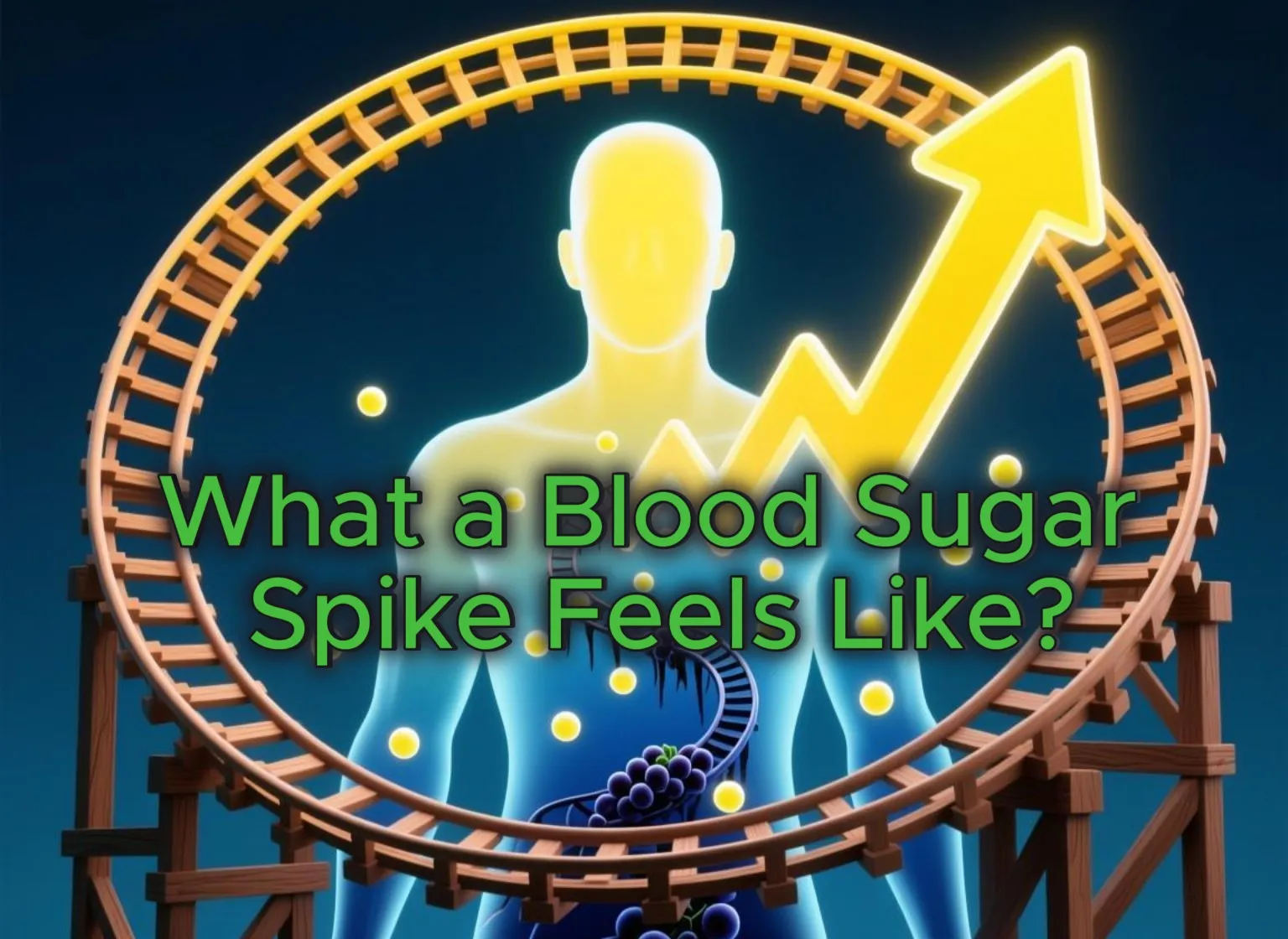
If you’ve ever eaten a large pasta lunch or a sugary pastry only to find yourself slumped over your desk an hour later, you have experienced the blood sugar rollercoaster. But here’s the scary part: most of us are riding that rollercoaster every single day without even realizing it.
We often chalk up the symptoms to “being busy,” “getting older,” or “not enough coffee.” But the truth is, these are physiological responses. Understanding how a blood sugar spike feels is the first step toward taking back your energy and your long-term health.
Part 1: What a Blood Sugar Spike Actually Feels Like
A blood sugar spike occurs when glucose floods your bloodstream too quickly, usually after consuming refined carbohydrates or sugars. While a medical diagnosis of hyperglycemia involves lab numbers, your body sends you very clear signals when your glucose is soaring and subsequently crashing.
Here is what that “spike and crash” cycle typically feels like:
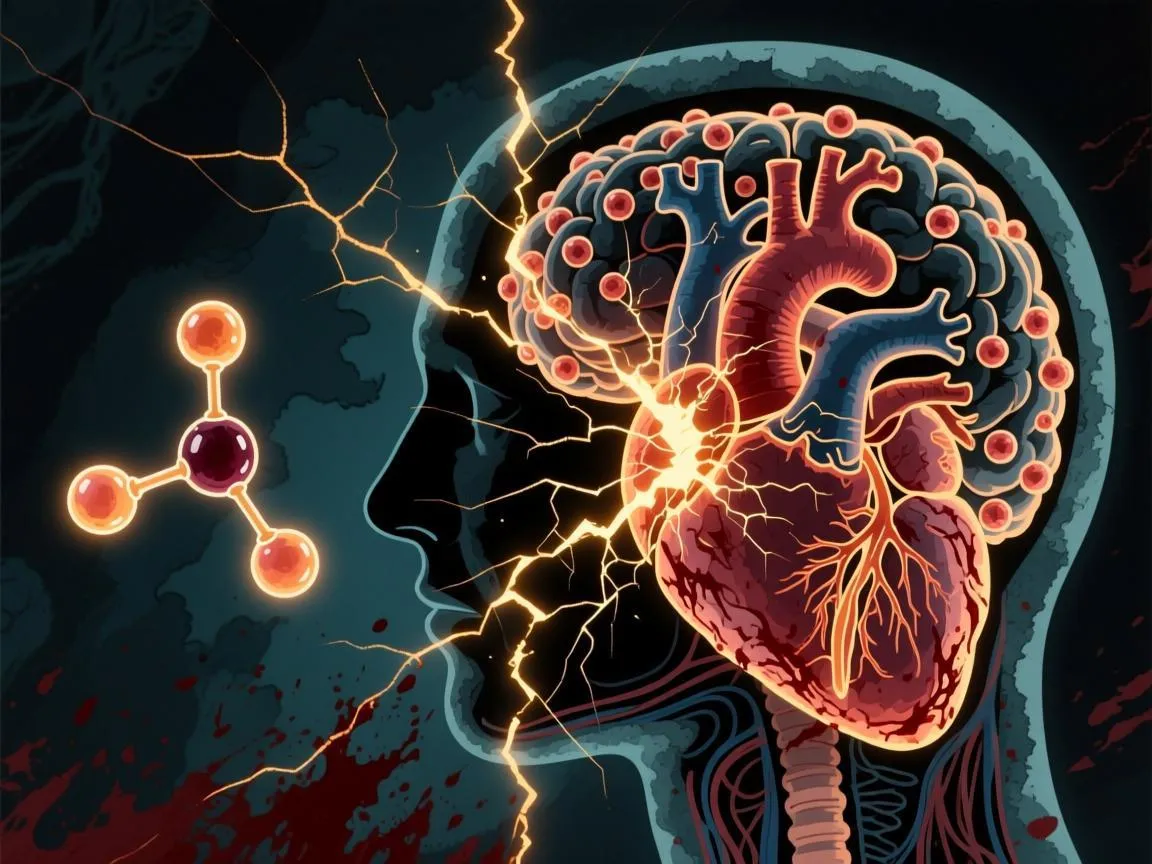
The Spike (30–90 Minutes After Eating)
-
The “Food Coma” Paradox: You might feel a sudden burst of energy or a “buzz,” but it’s often accompanied by a heavy, sluggish feeling. It’s not a clean energy; it’s a frantic energy.
-
Intense Thirst: Your kidneys start working overtime to try to flush out the excess sugar. You may feel like no matter how much water you drink, your mouth stays dry.
-
Blurred Vision: High blood sugar causes the lens of your eye to swell. You might find yourself squinting or struggling to focus on your computer screen.
-
Brain Fog: Instead of feeling sharp, you feel “floaty.” You walk into rooms and forget why. You lose your train of thought mid-sentence.
-
Irritability (Hangry): The rapid shift in hormones can trigger anxiety or sudden anger. If you snap at your family for no reason shortly after a meal, it might not be stress—it might be glucose.
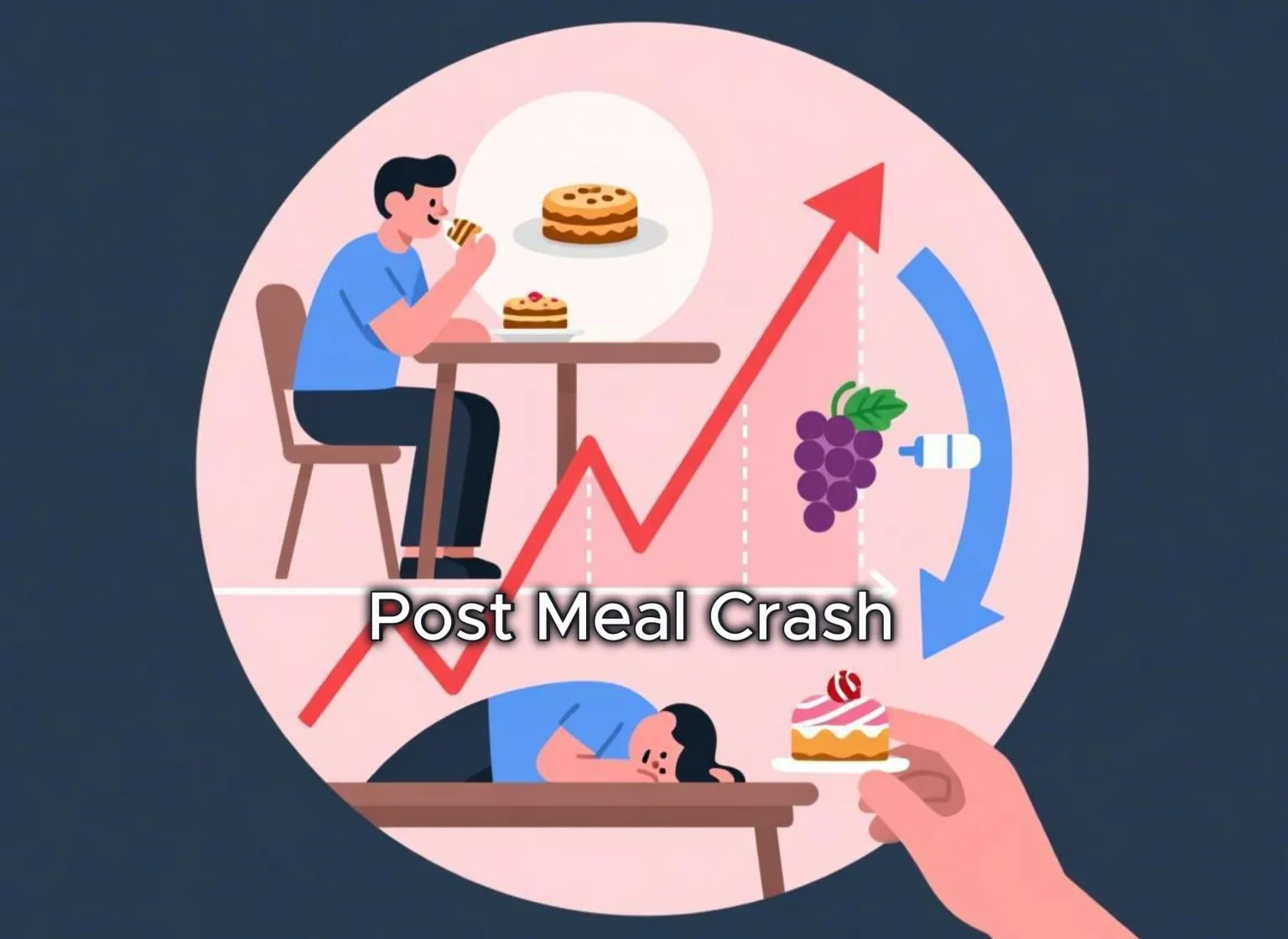
The Crash (2–4 Hours After Eating)
Once the insulin surge pulls all that glucose out of the blood, you enter “reactive hypoglycemia” (low blood sugar). This is where the real misery lives:
-
Sudden Fatigue: A brick wall of exhaustion hits you.
-
Shakiness: Your hands tremble slightly, mimicking anxiety.
-
Heart Palpitations: A racing or pounding heart.
-
Intense Cravings: Your brain, starved of steady fuel, screams for sugar or caffeine to “fix” the problem, starting the cycle all over again.
If this sounds like your average day, your metabolic health is waving a white flag.
Part 2: The Long-Term Wreckage of Chronic Spikes
Occasionally eating a slice of cake won’t ruin your health. But living in a state of constant spikes—where your blood sugar looks like a mountain range rather than a gentle hill—leads to severe consequences. These issues don’t happen overnight; they accumulate silently over years.
1. Insulin Resistance (The Gateway)
Every time you spike, your pancreas releases insulin to shove glucose into cells. Eventually, your cells get tired of the constant bombardment and start ignoring the insulin signal. This is insulin resistance. Once this sets in, your body stores everything as fat (especially belly fat), and it becomes increasingly difficult to lose weight—even if you’re eating less.
2. Cardiovascular Disease
High glucose levels act like sandpaper inside your arteries. Over time, chronic spikes lead to inflammation, stiffening of the arteries (atherosclerosis), and significantly increase your risk of heart attack and stroke—even if your “fasting” glucose looks normal at the doctor’s office.
3. Nerve Damage (Neuropathy)
Excess sugar is toxic to your nerves. Chronically high levels destroy the myelin sheath that protects your nerves. This often starts with tingling or numbness in the feet and hands. Eventually, it can lead to loss of sensation or chronic burning pain.
4. Kidney Disease
Your kidneys are your body’s filtration system. High blood sugar forces them to work on overdrive. Over years, this pressure damages the delicate filtering units, leading to chronic kidney disease, which often goes undetected until significant damage is done.
5. A Rising HbA1c – The Hidden Scorecard
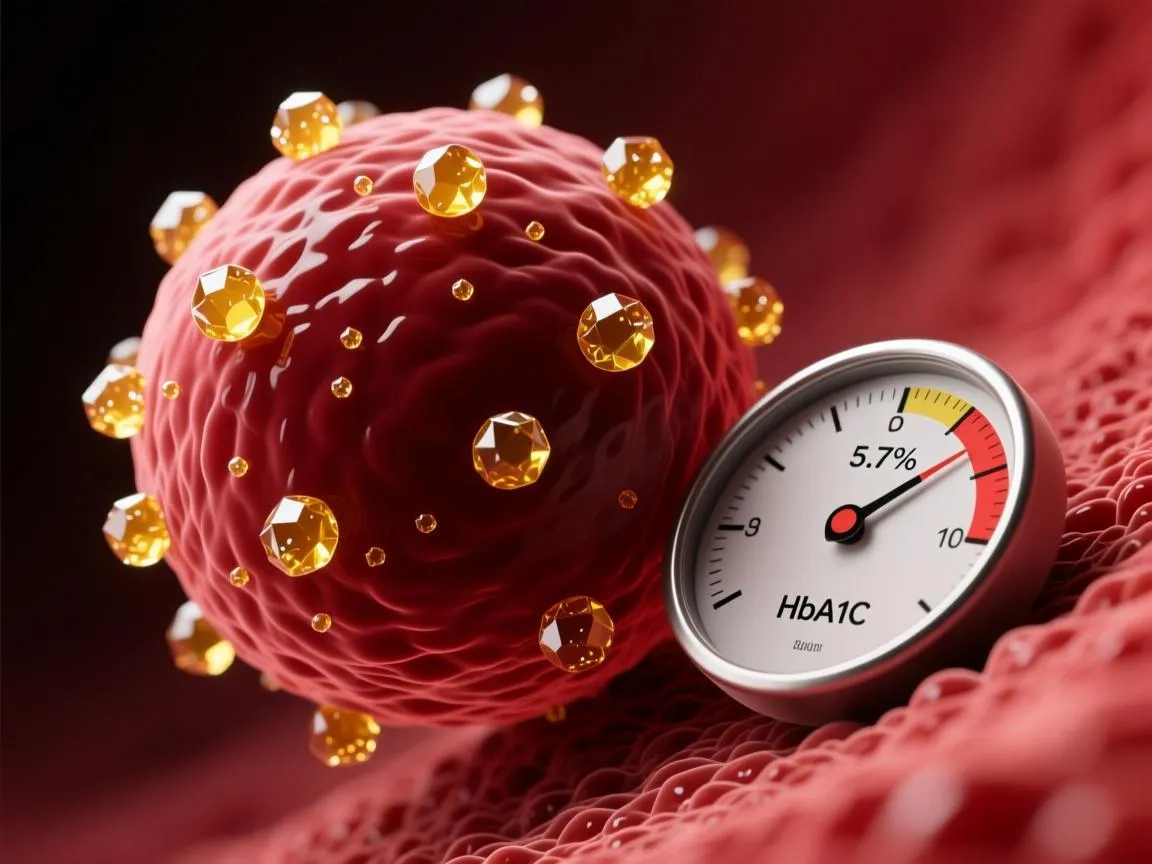
Unlike a single finger-prick test, HbA1c (hemoglobin A1c) reveals your average blood sugar over the past two to three months. Think of it as your metabolic report card. When frequent spikes occur, glucose binds to your red blood cells, steadily raising your HbA1c number. A level above 5.7% is considered prediabetes; above 6.5% signals diabetes. But even a slow, creeping increase within the “normal” range is a red flag—it means your body is struggling to maintain balance, and the silent damage to blood vessels and organs has already begun. Monitoring HbA1c is one of the most powerful ways to catch metabolic decline early.
How to Break the Cycle
The good news is that the body is incredibly resilient. If you stop the constant spiking, you can reverse insulin resistance and protect your organs from further damage.
While diet is king (focusing on protein, fiber, and healthy fats first), sometimes our modern lifestyle—stress, lack of sleep, and environmental toxins—makes it difficult to manage glucose levels on our own.
This is where targeted support comes in.
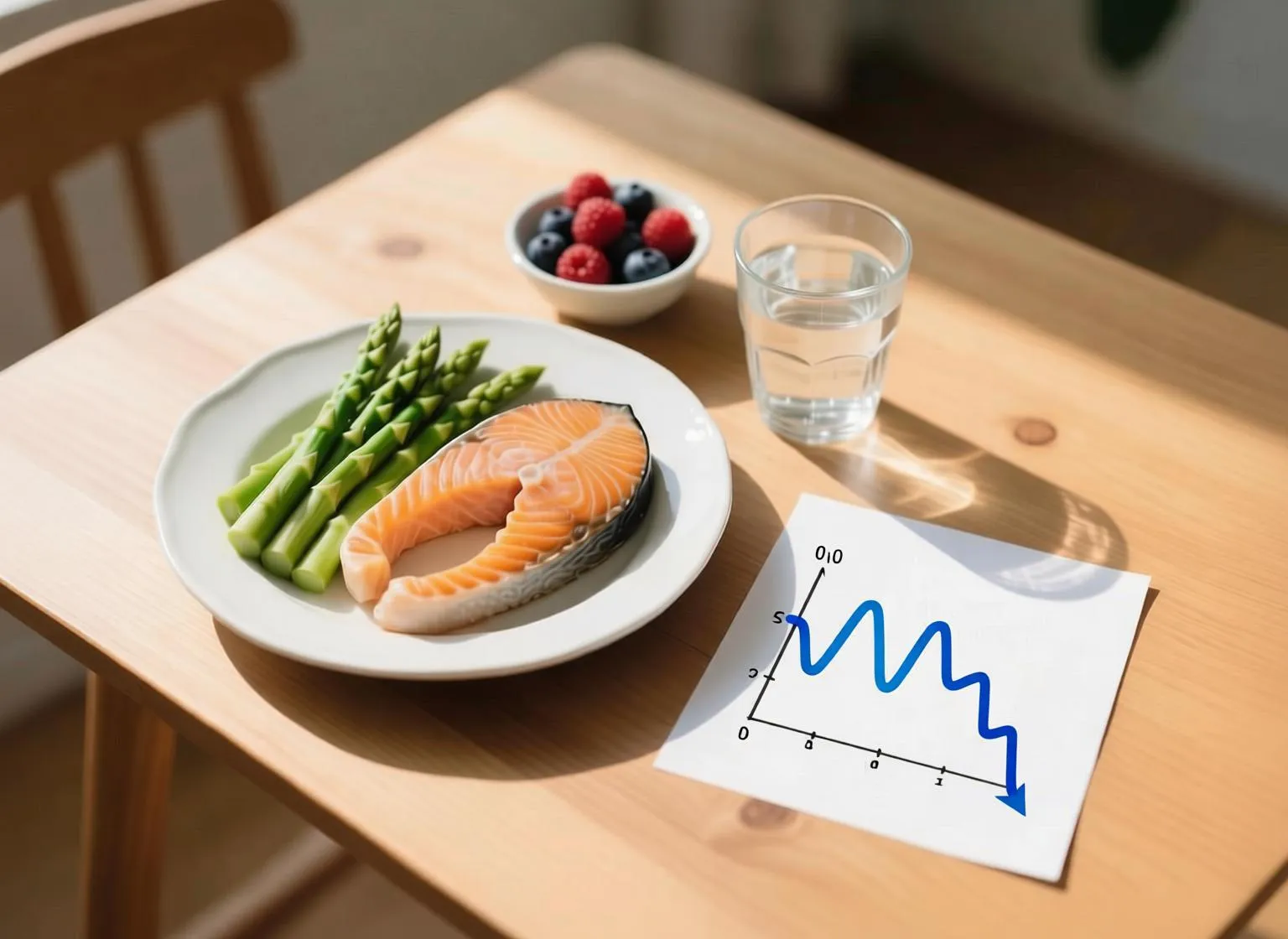
Support Your Metabolic Health with GlucoPAL
If you are ready to get off the rollercoaster, Glucopal is designed to help you maintain healthy blood sugar levels naturally.
Rather than relying on harsh stimulants or restrictive dieting, Glucopal uses a blend of clinically-researched ingredients to support glucose metabolism. It works to help:
-
Flatten the curve of blood sugar spikes after meals.
-
Reduce sugar cravings that lead to the binge-and-crash cycle.
-
Support insulin sensitivity so your body doesn’t have to overproduce insulin just to stay afloat.
When you combine a balanced diet with the right nutritional support, you stop merely surviving your day and start thriving with steady energy.
Ready to stabilize your energy and protect your long-term health?
Related Topics
Prediabetes IS Reversible – Take Control with GlucoPal
How Your Daily Choices Quietly Shape Your HbA1c
Prediabetes Is Reversible – The Surprising Truth About Prediabetes & Diabetic Diet
Importance of Trace Minerals in Insulin Sensitivity & Diabetic Diet
Mulberry Leaf: Nature’s Brilliant Brake on Blood Sugar Spikes
Nature’s Bitter Gift: Could Bitter Melon Help Steady Your Blood Sugar?