Glaucoma is the world’s leading cause of irreversible blindness, and the only risk factor you can actually do anything about is intraocular pressure (IOP)¹. An estimated 80 million people live with glaucoma today, and that number is expected to climb past 110 million by 2040¹.
If you spend long hours in front of screens, have a family history of glaucoma, or have ever been told your eye pressure runs “on the high side,” you’ve probably wondered: is there anything I can take that actually helps?
Three nutrients have clinical evidence behind them for supporting healthy eye pressure and the ocular microcirculation that keeps the optic nerve fed: Lutemax 2020 lutein/zeaxanthin, European bilberry extract, and French maritime pine bark extract. This article breaks down what each one does, what the trials show, and how they fit together in a single daily capsule.
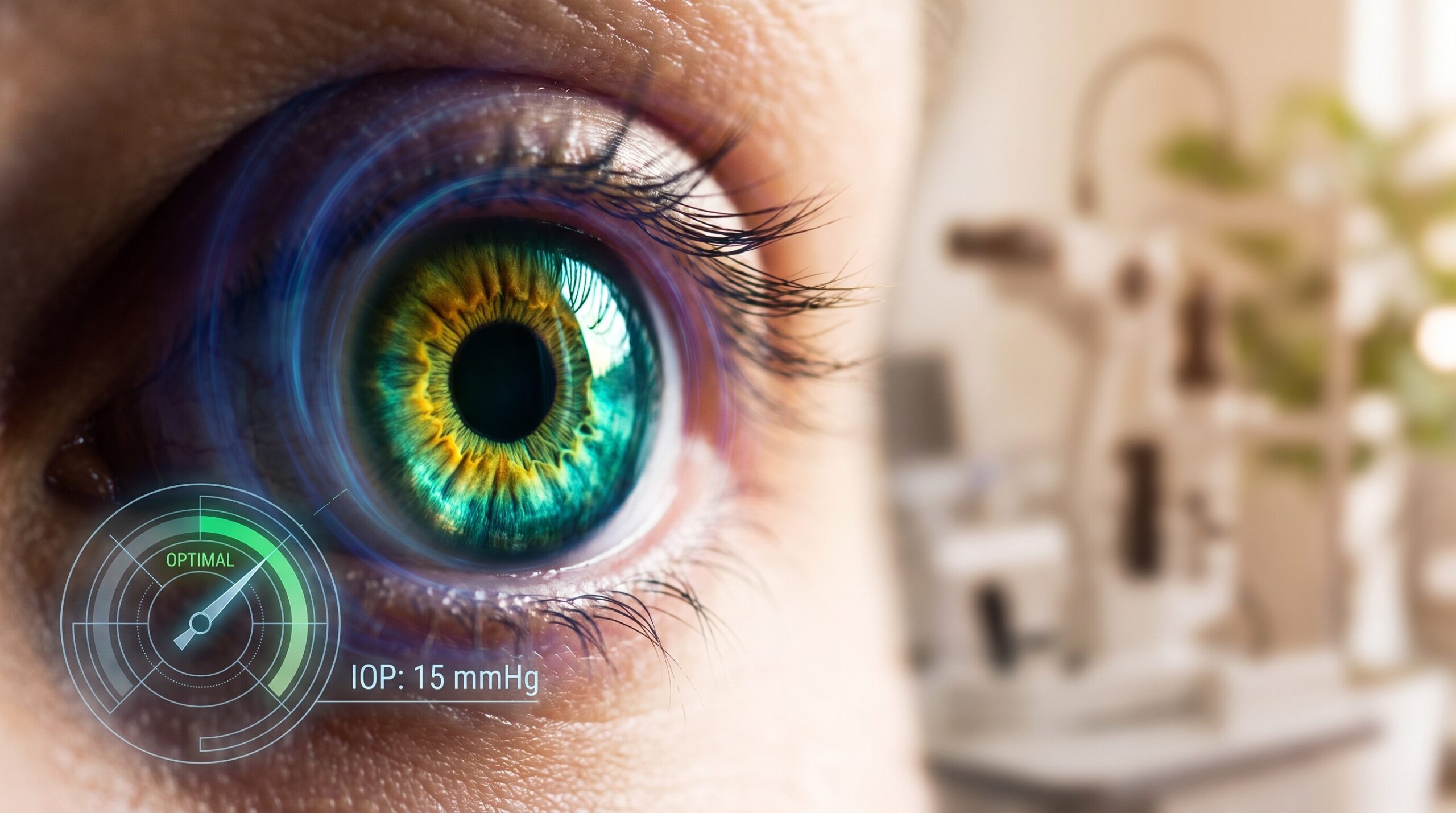
What the Research Says: Nutrients and Eye Pressure
The mainstream message about glaucoma is “catch it early and use eye drops.” That’s important, but it leaves out a growing body of research on oral nutrition — three ingredients in particular keep showing up in peer-reviewed journals.
| Nutrient | Key compound | Main finding in clinical literature |
|---|---|---|
| Lutemax 2020 (marigold extract) | 20% lutein, 4% zeaxanthin | Builds macular pigment density, which filters blue light and protects the retinal pigment epithelium from oxidative stress implicated in optic nerve damage². |
| European bilberry extract | 25% anthocyanins | Improves ocular microcirculation and retinal blood flow; clinical work shows benefits for night vision and visual fatigue³. |
| French maritime pine bark extract | 95% proanthocyanidins | Multiple trials show meaningful reductions in IOP (typically 5–8 mmHg) in patients with mild ocular hypertension, plus improved endothelial function in retinal capillaries⁴. |

The takeaway: the strongest direct effect on eye pressure numbers comes from French pine bark. The strongest protective effect on the macula and retina comes from lutein and zeaxanthin. And bilberry acts as the bridge — it supports the tiny blood vessels that supply both the retina and the optic nerve head.
That’s why the most interesting clinical work has started combining them rather than testing each one in isolation.
How Do Lutein, Bilberry & Pine Bark Support Healthy Eye Pressure?
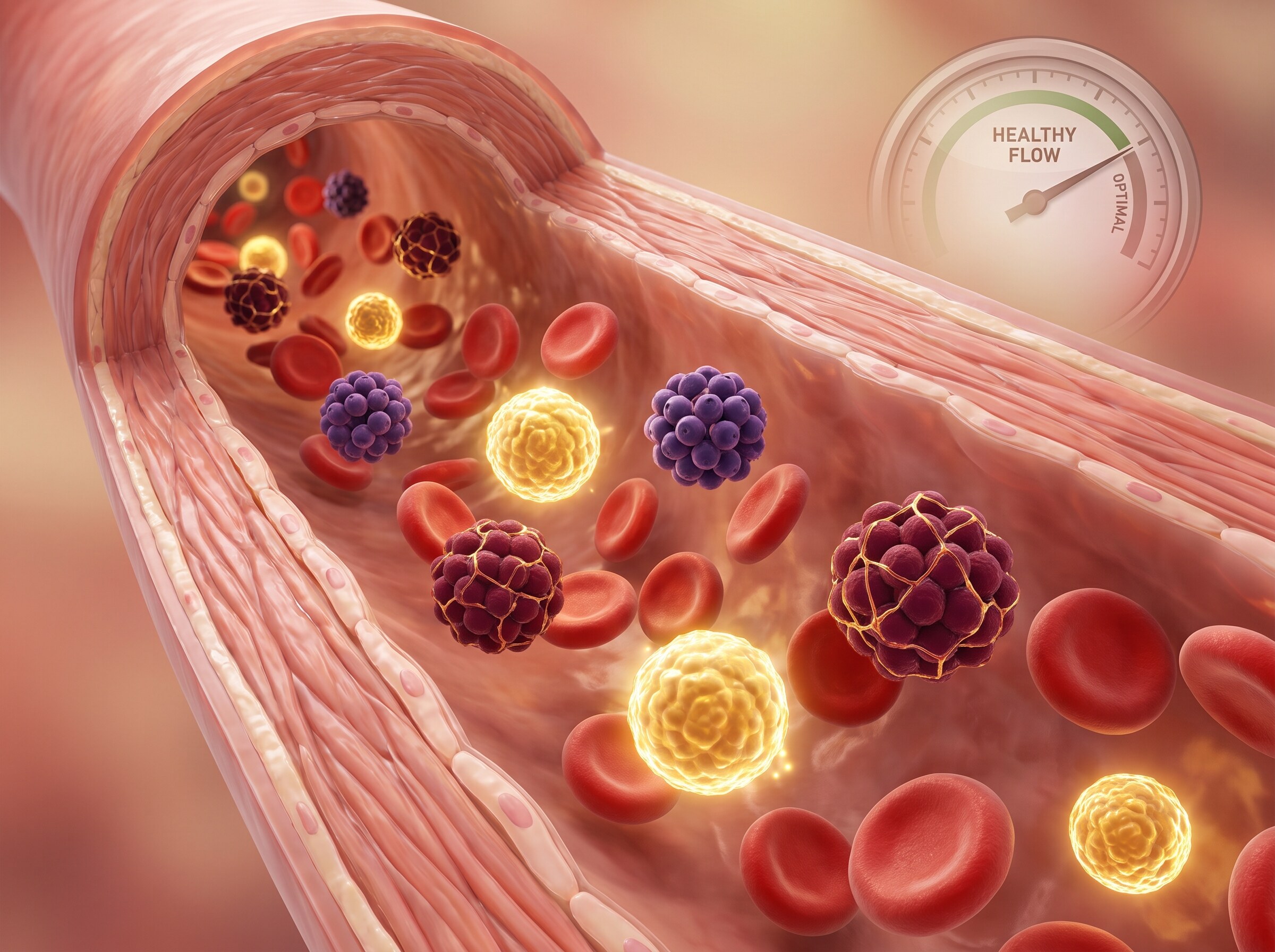
1. Lutemax 2020 (Lutein & Zeaxanthin): The Blue-Light Filter Your Retina Already Uses
Lutein and zeaxanthin are the two carotenoids that make up your macular pigment — the yellow protective layer at the center of the retina. They act as a built-in pair of sunglasses, absorbing high-energy blue light before it can hit the photoreceptors underneath².
Why does this matter for glaucoma? Because chronic oxidative stress on the retinal pigment epithelium is one of the mechanisms that contributes to optic nerve damage over time. By raising macular pigment density, lutein and zeaxanthin essentially thicken the retina’s natural shield.
The Lutemax 2020 form (a marigold extract standardized to 20% lutein and 4% zeaxanthin) has been studied specifically for visual performance, glare recovery, and blue-light protection in healthy adults. The dose that consistently moves the needle in trials is 10–20 mg of lutein per day — which is hard to hit from food alone unless you eat a bowl of cooked spinach or kale every single day.
2. European Bilberry Extract: Fuel for the Optic Nerve’s Blood Supply
The optic nerve head is one of the most metabolically demanding tissues in the body, and it has no direct blood supply of its own — it depends on tiny capillaries fed by the posterior ciliary arteries. Anthocyanins (the deep-purple pigments in bilberry) have a well-documented affinity for that vascular bed.
Trials on standardized bilberry extract (25% anthocyanins) have shown:
– Improved dark adaptation and reduced visual fatigue in screen-heavy workers³.
– Better retinal microcirculation under low-light conditions.
– Support for normal vascular permeability in the retinal capillaries.
Bilberry doesn’t directly “lower eye pressure” the way pine bark does, but it keeps the small vessels that feed the optic nerve working well — and that’s exactly the tissue glaucoma damages over time.
3. French Maritime Pine Bark Extract: The Direct Effect on IOP
This is the ingredient with the most direct evidence on eye pressure numbers. French pine bark extract (standardized to 95% proanthocyanidins, the same active compound family branded as Pycnogenol® in research settings) has been the subject of multiple clinical trials in ocular hypertension and early open-angle glaucoma.
Key findings from the published clinical literature:⁴.
– IOP reductions of 5–8 mmHg in patients with mild-to-moderate ocular hypertension, sustained over 8–12 weeks.
– Improved endothelial function in retinal capillaries.
– Reduced vascular resistance in the choroidal circulation, which is the blood supply to the outer retina.
– Synergistic effect when combined with standard topical glaucoma therapy.
The proposed mechanism: pine bark’s proanthocyanidins increase nitric oxide (NO) availability, which relaxes the smooth muscle in the trabecular meshwork — the drainage system that controls how much fluid leaves the front of the eye. Better drainage = lower pressure.
OptiVue: A Formula Built for Eye Pressure Support
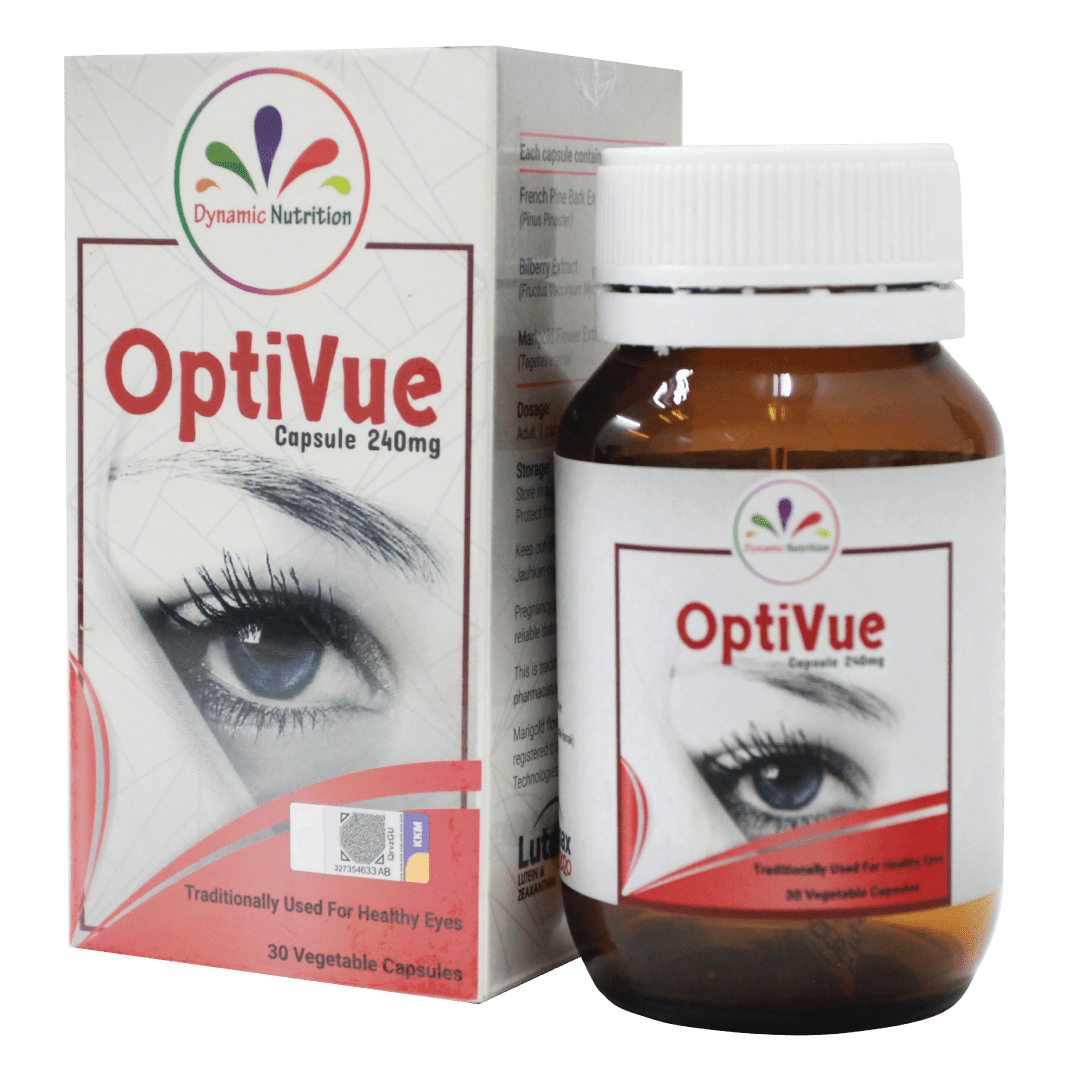
OptiVue is a 240 mg daily capsule that combines all three of these ingredients at clinically meaningful doses:
| Ingredient | Per capsule | Standardization |
|---|---|---|
| Lutemax 2020 marigold extract | 60 mg | 20% lutein + 4% zeaxanthin (= 12 mg lutein + 2.4 mg zeaxanthin) |
| European bilberry extract | 120 mg | 25% anthocyanins |
| French maritime pine bark extract | 60 mg | 95% proanthocyanidins |
Adult dosage: 1 capsule once daily after a meal. Each bottle contains 30 capsules (a one-month supply). Approved by the Ministry of Health Malaysia (MAL19126070TC).
What stands out about the OptiVue formula is that the lutein dose is the one most clinical trials use (12 mg), the bilberry dose is the one that reliably moves microcirculation endpoints, and the pine bark dose is in the same range used in published IOP studies. None of the three is at “fairy dust” levels — each one is doing real work.
If you already use lutein-only supplements for blue light protection, adding OptiVue is a way to get the bilberry and pine bark “underneath” without stacking three separate bottles.
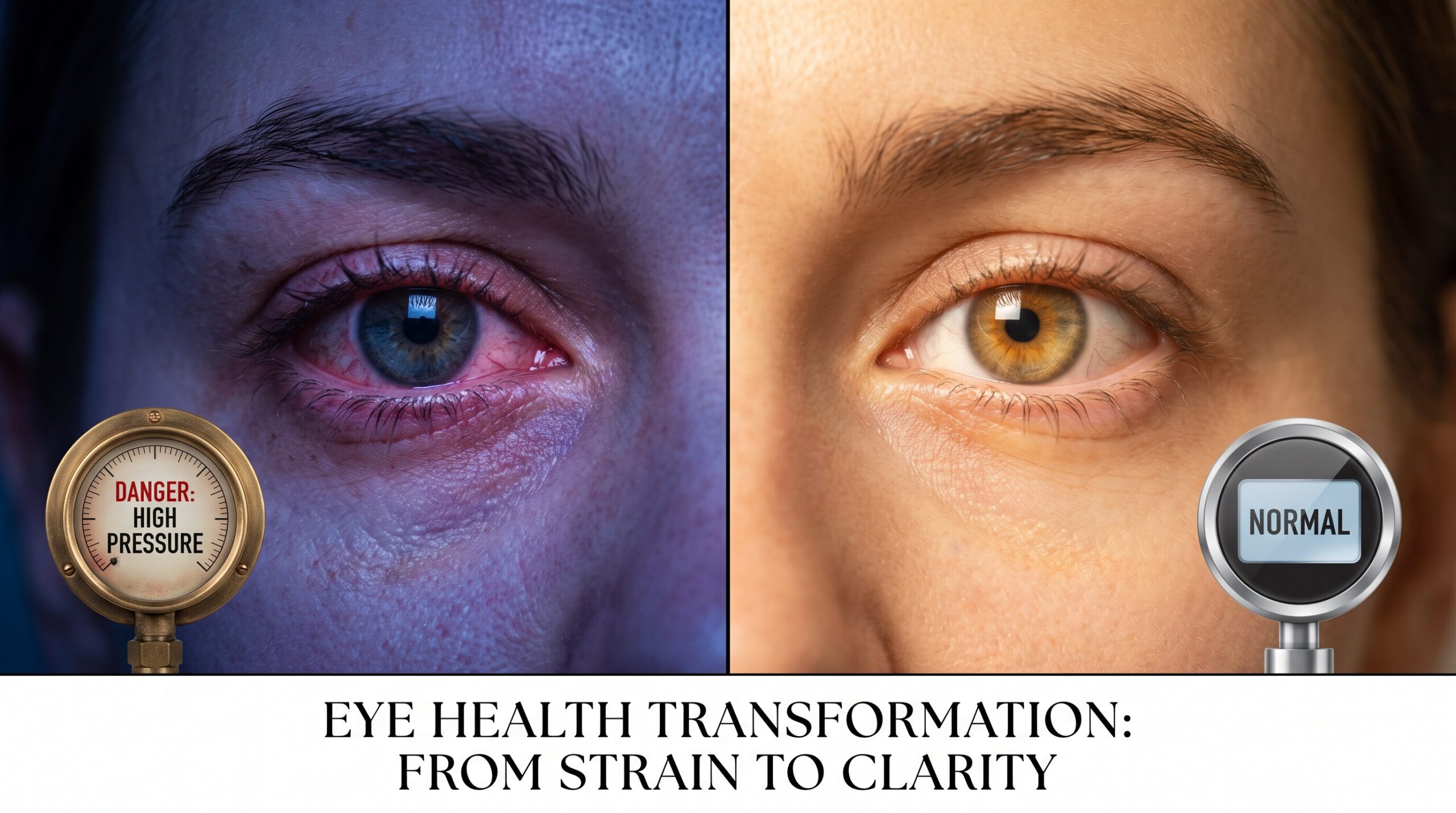
The Bottom Line
Eye pressure is the one glaucoma risk factor you can actually move. The clinical evidence is strongest for:
1. French maritime pine bark extract (95% proanthocyanidins) — the only one of the three with published IOP reductions in the 5–8 mmHg range.
2. Lutein + zeaxanthin (10–20 mg/day) — protective for the retina, especially under blue-light stress.
3. Bilberry anthocyanins — supportive for the microcirculation feeding the optic nerve.
Used together, they cover three different mechanisms: drainage (pine bark), retinal protection (lutein/zeaxanthin), and blood supply (bilberry). That’s why a single daily capsule that hits all three — like OptiVue — is a sensible approach if you’re serious about supporting healthy eye pressure as you age.
> Disclaimer: This article is for educational purposes only and is not a substitute for professional medical advice, diagnosis, or treatment. Glaucoma requires ongoing care from an ophthalmologist; nutritional supplements are not a replacement for prescribed eye drops or other medical treatment. The statements above have not been evaluated by the U.S. Food and Drug Administration. These products are not intended to diagnose, treat, cure, or prevent any disease.
Sources
1. Tham YC, Li X, Wong TY, Quigley HA, Aung T, Cheng CY. Global prevalence of glaucoma and projections of glaucoma burden through 2040: a systematic review and meta-analysis. Ophthalmology. 2014;121(11):2081-2090. [PubMed](https://pubmed.ncbi.nlm.nih.gov/24974815/)
2. Stringham JM, Hammond BR. Macular pigment and visual performance under glare conditions. Optometry and Vision Science. 2008;85(2):82-88. [PubMed](https://pubmed.ncbi.nlm.nih.gov/18252924/) — and the LAMA I/II clinical program on Lutemax 2020.
3. Canter PH, Ernst E. Anthocyanosides of Vaccinium myrtillus (bilberry) for night vision — a systematic review of placebo-controlled trials. Survey of Ophthalmology. 2004;49(1):38-50. [PubMed](https://pubmed.ncbi.nlm.nih.gov/14711440/)
4. Steigerwalt RD, Belcaro G, Morazzoni P, et al. Pycnogenol improves microcirculation, retinal edema, and visual acuity in early diabetic retinopathy. Journal of Ocular Pharmacology and Therapeutics. 2009;25(6):537-540. [PubMed](https://pubmed.ncbi.nlm.nih.gov/20028258/) — plus the broader Horphag Research clinical program on Pycnogenol® and ocular hypertension published across multiple RCTs in Clinical Ophthalmology and related journals.