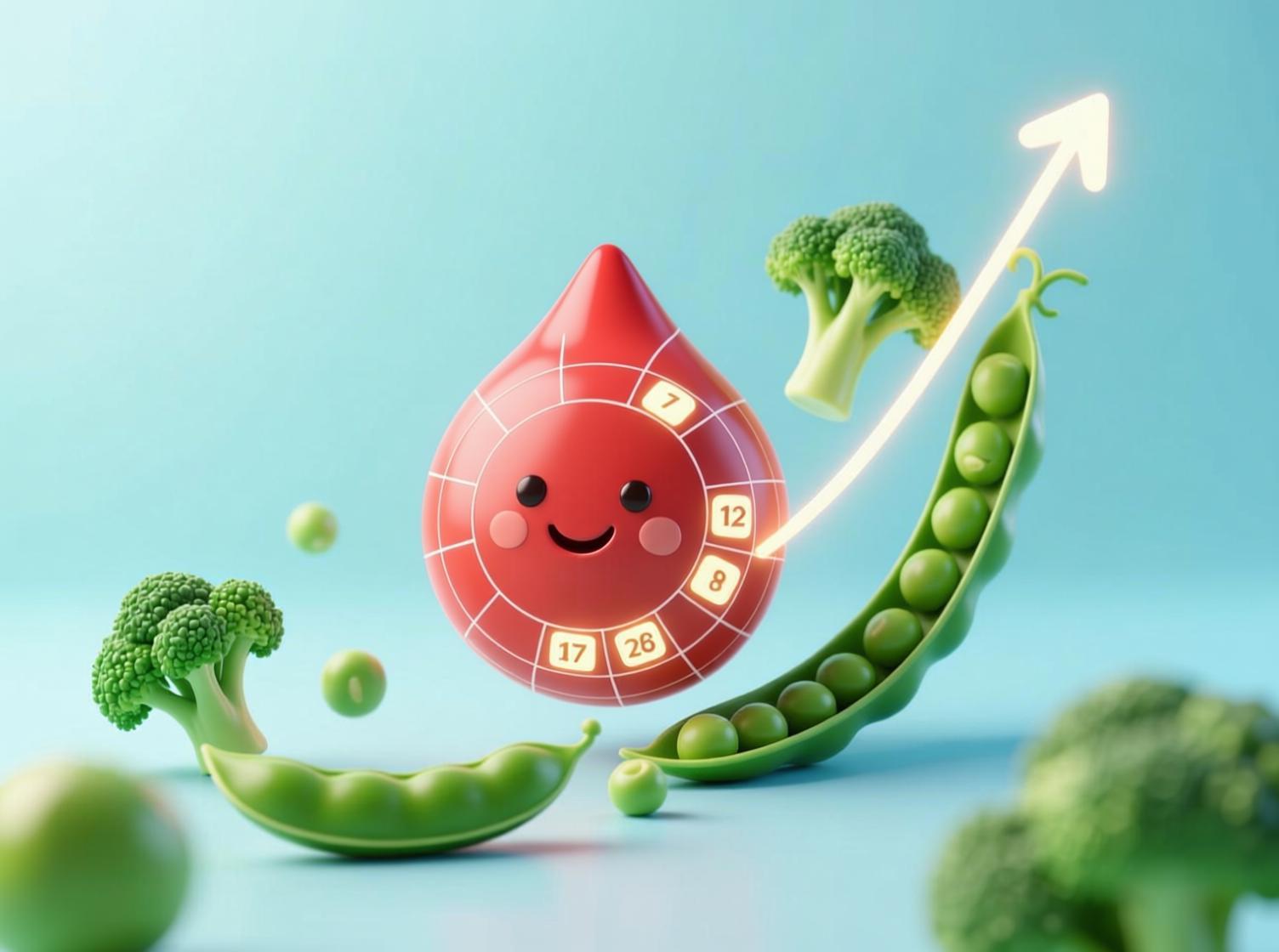
If you’re managing high blood sugar or prediabetes, you’ve likely heard the term “HbA1c.” It’s that important number from your blood test, often called your “average blood sugar over three months.” But what does that really mean? How do the choices you make at every meal, every day, quietly write the story that this number tells? Think of your HbA1c not as a mysterious lab result, but as a financial statement for your body’s sugar metabolism. Your daily eating habits are the daily transactions. A large withdrawal (a sugary meal) here, a series of small debits (constant snacking) there—it all adds up on the quarterly report.
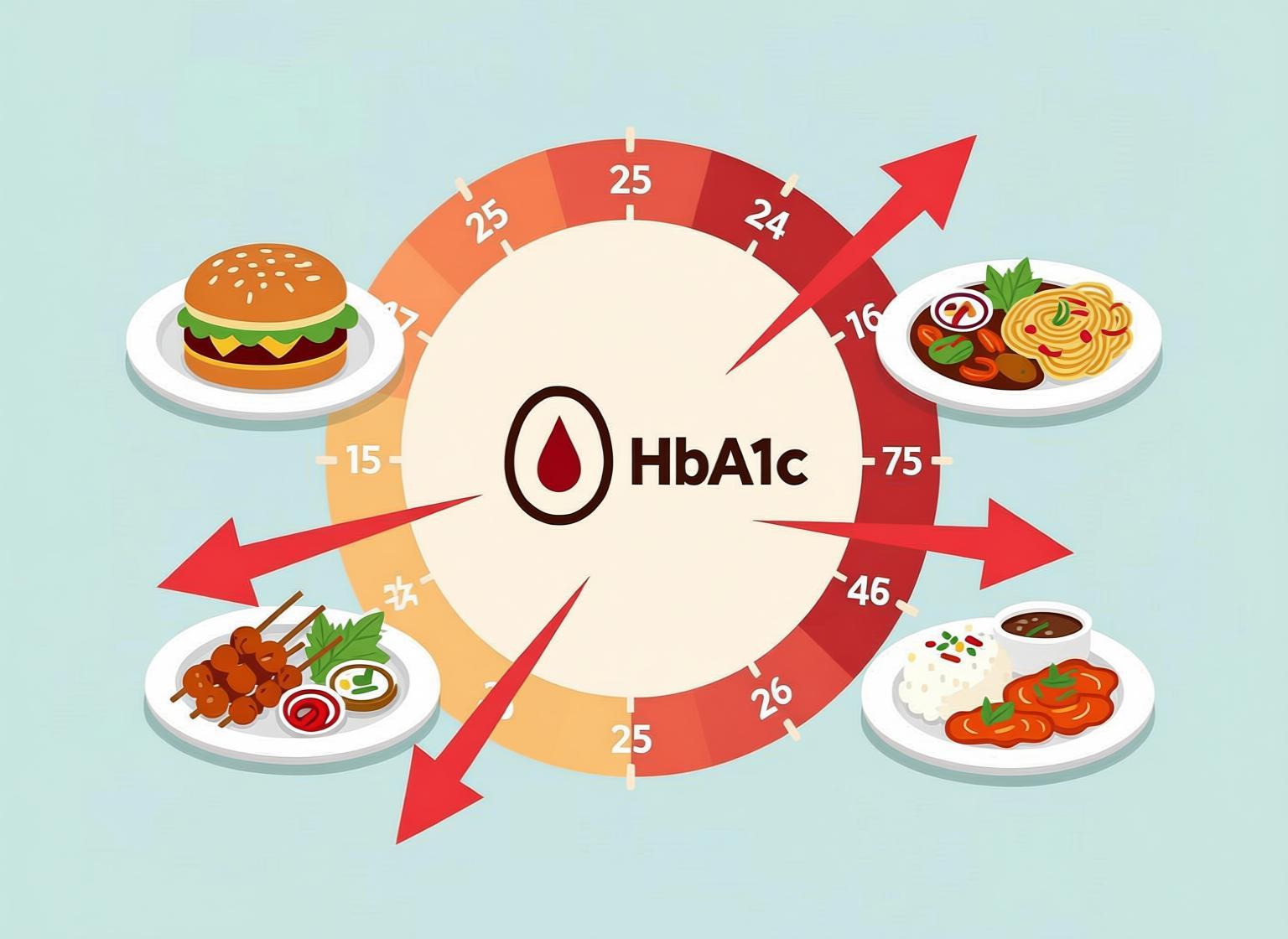
The Daily Spike: The Building Block of Your HbA1c
Every time you eat carbohydrates—especially refined carbs like white bread, sugary drinks, or pastries—your blood sugar rises. This is normal. But with insulin resistance (common in prediabetes and type 2 diabetes), your cells don’t respond well to insulin, the hormone that ushers sugar out of your blood. The result? Higher, sharper spikes that take longer to come down. Here’s the critical link: HbA1c is formed when sugar in your bloodstream permanently attaches to your red blood cells. The more sugar present in your blood over the life of those cells (about 3 months), the higher your HbA1c. So, if your daily pattern looks like this:
- Breakfast: Sweetened cereal or toast with jam → Sharp Spike
- Mid-Morning: Sweet coffee and a muffin → Another Spike
- Lunch: White pasta or a sandwich → Yet Another Spike
- Afternoon: Soda or cookies for energy → Spike Again
- Dinner: Large portion of rice or potatoes → Final Spike of the Day
…you are essentially bathing your red blood cells in a high-sugar environment, day after day. Each spike contributes directly to a higher HbA1c.
It’s a Marathon, Not a Sprint: The Cumulative Effect
One birthday cake slice won’t ruin your HbA1c. The concern is the pattern. Consistent, unmanaged spikes are like slow-dripping water that eventually fills a bucket. Over weeks and months, this pattern cements a higher HbA1c, moving you from prediabetes toward diabetes, or making diabetes harder to control.
Rewriting the Story: Habits That Lower the “Average”
The powerful news is that just as daily habits can raise your HbA1c, new ones can lower it. You’re not erasing the past, but you are directly influencing the next “quarterly report.”
- Sequence Your Meals: Try eating vegetables or a salad first, then proteins and fats, and save carbohydrates for last. This simple order can dramatically blunt the blood sugar spike.
- Embrace the Fiber-Fat-Protein Trifecta: Pair carbs with their friends. An apple with almond butter, whole-grain crackers with cheese, berries with Greek yogurt. Fiber, fat, and protein slow down sugar absorption, leading to a gentler rise.
- Move After You Eat: A 10-15 minute walk after a meal helps your muscles use some of that blood sugar, lowering the spike.
- Ditch the Sweetened Drinks: Liquid sugar causes the fastest, sharpest spikes. Switching to water, herbal tea, or sparkling water is one of the most effective changes you can make.
- Mind the “White” Carbs: Be mindful of portions of refined grains (white rice, pasta, bread) and opt for whole, minimally processed versions more often.
Related Topics
What a Blood Sugar Spike Feels Like and Why It Matters
How Your Daily Choices Quietly Shape Your HbA1c
Prediabetes Is Reversible – The Surprising Truth About Prediabetes & Diabetic Diet
Importance of Trace Minerals in Insulin Sensitivity & Diabetic Diet
Mulberry Leaf: Nature’s Brilliant Brake on Blood Sugar Spikes
Nature’s Bitter Gift: Could Bitter Melon Help Steady Your Blood Sugar?