When it comes to daily protein intake, most people default to the sources they grew up with — whey isolate in their morning shake, egg whites on a low-carb Sunday. But the gut has its own take on those choices. Lactose sensitivity, casein-triggered bloating, and the simple fact that dairy and egg proteins do nothing for the gut microbiota are reasons more Singaporean and Malaysian readers are rethinking the question: which protein is actually easier on the gut?
The short answer is: it depends on what your gut needs beyond amino acids. Let’s walk through the three most common protein sources side by side — whey, egg white, and plant (specifically a pumpkin-seed-plus-pea blend like LiveProtein) — across three axes that matter for everyday digestibility.
1. Digestibility: where the gut says “no thanks”
Whey protein comes from milk. Even when filtered down to isolate (90%+ protein), whey still carries trace lactose — and casein residues depending on how it’s processed. For the estimated 65–70% of Asian adults with some degree of lactose malabsorption, whey can trigger the familiar trio: bloating, flatulence, and a rushed bathroom visit within 30–90 minutes. Even people who don’t realise they’re lactose-sensitive often report this after switching to dairy-free protein for a month.
Egg white protein skips the lactose question entirely — it’s just albumen isolate. Digestion-wise it’s clean, and egg-white-based shakes are gentler than whey on almost every metric. The catch is that eggs carry a real allergy burden (one of the top-8 food allergens worldwide) and many readers with dairy sensitivity also report a low-grade reactivity to egg proteins.
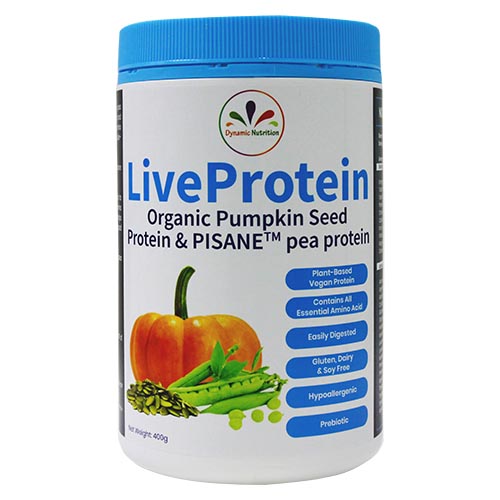
Plant protein — pea plus pumpkin seed, as combined in LiveProtein — has no dairy, no lactose, no egg. From a pure digestibility standpoint, it is the least inflammatory of the three for a broad Asian population. The trade-off has historically been the amino-acid question, which we’ll address next.
2. Amino-acid completeness: the “pea alone” problem
Here’s where the marketing gets muddy. Pea protein on its own is not a complete protein — it’s low in methionine, one of the nine essential amino acids. Pumpkin seeds, on the other hand, are high in methionine but light on lysine. Put them together and they’re each other’s missing piece: pumpkin seed + pea protein is a complete, all-nine-EAA profile, comparable to whey’s score on a PDCAAS or DIAAS basis.
That’s why isolated pea protein powders are often weaker than the marketing suggests, and why LiveProtein’s dual-source formula (pumpkin seed + Pisane™ pea protein) closes the gap that pea-alone products leave open.
Whey and egg white both score high on amino-acid completeness out of the box — that’s their advantage. But they buy completeness at the cost of the gut issues described above.
3. The prebiotic gap: what dairy and egg protein don’t do
This is the axis almost nobody compares. Whey and egg white protein contain zero prebiotic fibre. They deliver amino acids and nothing else to the large intestine. Over time, that means your protein intake is doing nothing for the microbiota — the trillions of bacteria that handle gut barrier integrity, vitamin K and B synthesis, and even immune signalling.
LiveProtein’s third ingredient — inulin — is a well-studied prebiotic fibre that ferments selectively in the colon, feeding Bifidobacteria and Lactobacilli. Most protein shakes skip this entirely; the result is a high-protein, zero-microbiota-support profile. If your goal is gut-friendly protein, not just high-protein protein, the prebiotic angle is the differentiator.
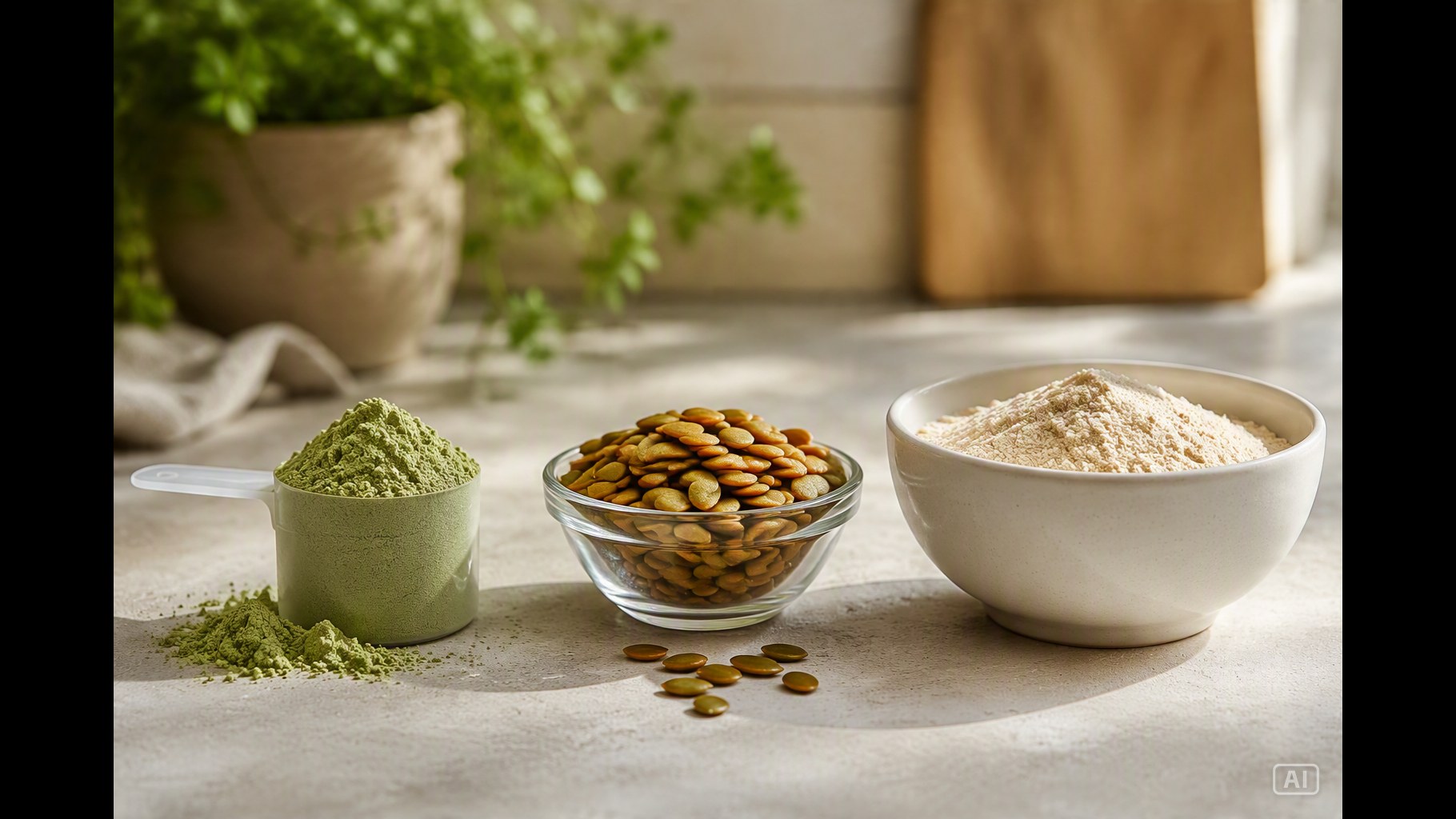
Side-by-side: the three proteins at a glance
Whey protein — High bioavailability, complete amino-acid profile. Downside: lactose and casein residues, zero prebiotic fibre, dairy allergy risk. Best for: people with no dairy sensitivity.
Egg white protein — Lactose-free, complete amino-acid profile, low-calorie. Downside: egg allergy risk, zero prebiotic fibre, generally more expensive per gram of protein. Best for: lactose-averse readers who tolerate eggs.
Plant protein (pumpkin seed + pea, with inulin) — Dairy-free, egg-free, complete when pumpkin seed and pea are combined, and — uniquely among the three — includes a prebiotic fibre that feeds the microbiota. Downside: less familiar taste for long-time whey users, though modern blends have closed this gap significantly. Best for: gut-first readers, lactose-sensitive readers, and anyone looking for protein that does something beyond muscle.
The gut-first takeaway
If your protein shake is sitting well and you don’t mind dairy, whey and egg white are fine choices. But if you’ve noticed post-shake bloating, low satiety despite high grams, or constipation, the issue is probably not how much protein you’re taking — it’s which protein you’re taking. Plant protein that pairs pumpkin seed + pea and adds a prebiotic is the gut-friendly answer to a question most protein powders never address.

The product we reach for
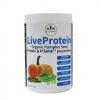
LiveProtein (Vegan Protein – Pumpkin Seed & Pea + Prebiotics) is the closest thing to an all-in-one answer on the gut-first axis. Three ingredients, no dairy, no egg, no lactose — and a prebiotic (inulin) that whey and egg white simply don’t offer.
Related Topics:
Do Vegetarians Get Enough Protein?
How To Prevent Muscle Loss As You Age?
Protein Calculator: How Much Protein Do You Need?
How Protein Powder Helps You Lose Weight & Gain Muscles?
Gradual Loss Of Muscle Mass After Middle Age (Sarcopenia)
Muscle Loss Starts Earlier Than You Think: The Protein Check Every Over-40 Should Do
Why Pumpkin-Seed Protein Deserves a Separate Look from Pea, Soy, Rice and Whey
Product you may be interested in