The Silent Threat: Understanding the Dangers of Visceral Fat
When we think about body fat, we often picture the pinchable layer beneath our skin—the soft padding on our hips, thighs, or abdomen. But lurking deeper within your body lies a far more dangerous type of fat that you cannot see or feel: visceral fat. Unlike its superficial counterpart, this hidden fat wraps around your vital organs like a toxic blanket, silently increasing your risk for life-threatening diseases. Understanding visceral fat—and why it’s so hazardous—is crucial for protecting your long-term health.
What Exactly Is Visceral Fat?
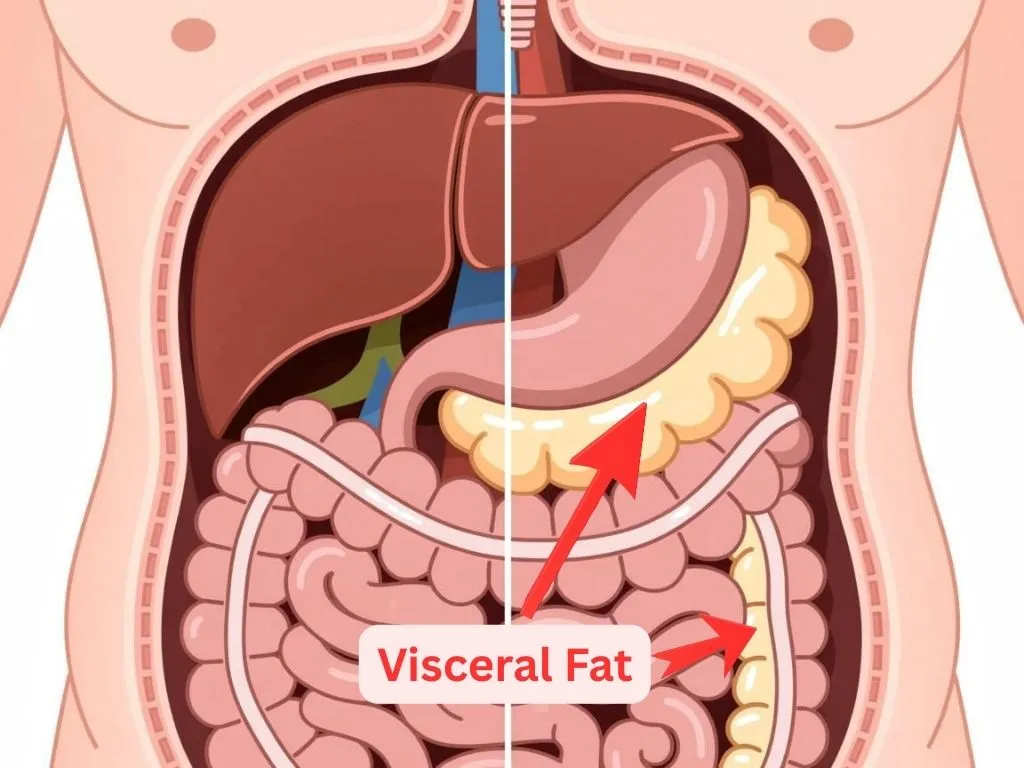
Visceral fat, also called visceral adipose tissue (VAT), is stored deep within the abdominal cavity, surrounding critical organs including the liver, pancreas, intestines, and kidneys. This distinguishes it from subcutaneous fat—the “pinchable” fat layer sitting directly beneath your skin that serves primarily as insulation and energy storage. While some visceral fat is normal and necessary for organ cushioning, excess accumulation transforms this tissue into a metabolically active endocrine organ that disrupts your body’s delicate hormonal and inflammatory balance.
Why Visceral Fat Is Uniquely Dangerous
Unlike subcutaneous fat, visceral fat behaves like a rogue chemical factory. Its proximity to the liver via the portal vein allows it to directly dump inflammatory substances and free fatty acids into your bloodstream, triggering a cascade of metabolic dysfunction:
1. Chronic Inflammation
Visceral fat cells secrete pro-inflammatory cytokines like interleukin-6 and tumor necrosis factor-alpha. This persistent low-grade inflammation damages blood vessels, accelerates atherosclerosis, and contributes to insulin resistance.
2. Insulin Resistance and Type 2 Diabetes
The flood of free fatty acids from visceral fat interferes with insulin signaling, forcing your pancreas to produce more insulin to manage blood sugar. Over time, this leads to insulin resistance—the precursor to type 2 diabetes.
3. Cardiovascular Disease
Excess visceral fat significantly elevates your risk of heart attack and stroke through multiple pathways: raising blood pressure, increasing LDL (“bad”) cholesterol, lowering HDL (“good”) cholesterol, and promoting blood clot formation.
4. Metabolic Syndrome
Visceral fat is the central driver of metabolic syndrome—a cluster of conditions including abdominal obesity, high blood pressure, elevated blood sugar, and abnormal cholesterol levels that dramatically increase cardiovascular and diabetes risk.
5. Additional Health Threats
- Research links high visceral fat levels to increased risks of:
- Certain cancers (colorectal, breast, pancreatic)
- Non-alcoholic fatty liver disease (NAFLD)
- Sleep apnea
- Cognitive decline and dementia
- Hormonal imbalances affecting reproductive health
How to Reduce It
The good news: visceral fat responds quickly to lifestyle changes. Move consistently
- Aim for 150+ minutes weekly of brisk walking, cycling, or swimming
- Add strength training 2–3 times weekly—weight lifting effectively reshapes body composition
- Break up long sitting periods with short walks

Eat strategically
- Prioritize whole foods: vegetables, lean proteins, legumes, and healthy fats
- Cut added sugars and refined carbs—the primary drivers of visceral fat storage
- Limit alcohol, which strongly correlates with abdominal fat accumulation
- Maintain a modest calorie deficit for sustainable loss
Support with lifestyle
- Sleep 7–9 hours nightly (poor sleep raises cortisol, promoting fat storage)
- Manage stress through mindfulness or yoga
- Avoid smoking, which worsens fat distribution
The Bottom Line
Visceral fat is a powerful predictor of future health problems—but also highly responsive to intervention. By measuring your waist, moving daily, eating whole foods, and prioritizing sleep, you can significantly reduce this hidden threat and protect your long-term health. Your waistline isn’t just cosmetic; it’s a vital sign worth monitoring.
Related Topics
It’s OK To Gain Weight As I Get Older? Not Really
Calculate Your BMI – BMI calculator explained
Metabolic syndrome leads to cardiovascular diseases
Here’s Exactly How Much You Should Walk Per Week to Burn Belly Fat — and See Results
Asians with excess visceral fat tend to have poorer memory & learning ability
The Silent Threat: Understanding the Dangers of Visceral Fat
How ApplePhenon™ Targets Stubborn Visceral Fat
Morosil® Moro Orange Extract: The Citrus Secret to Support Healthy Weight Management