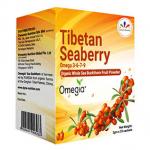
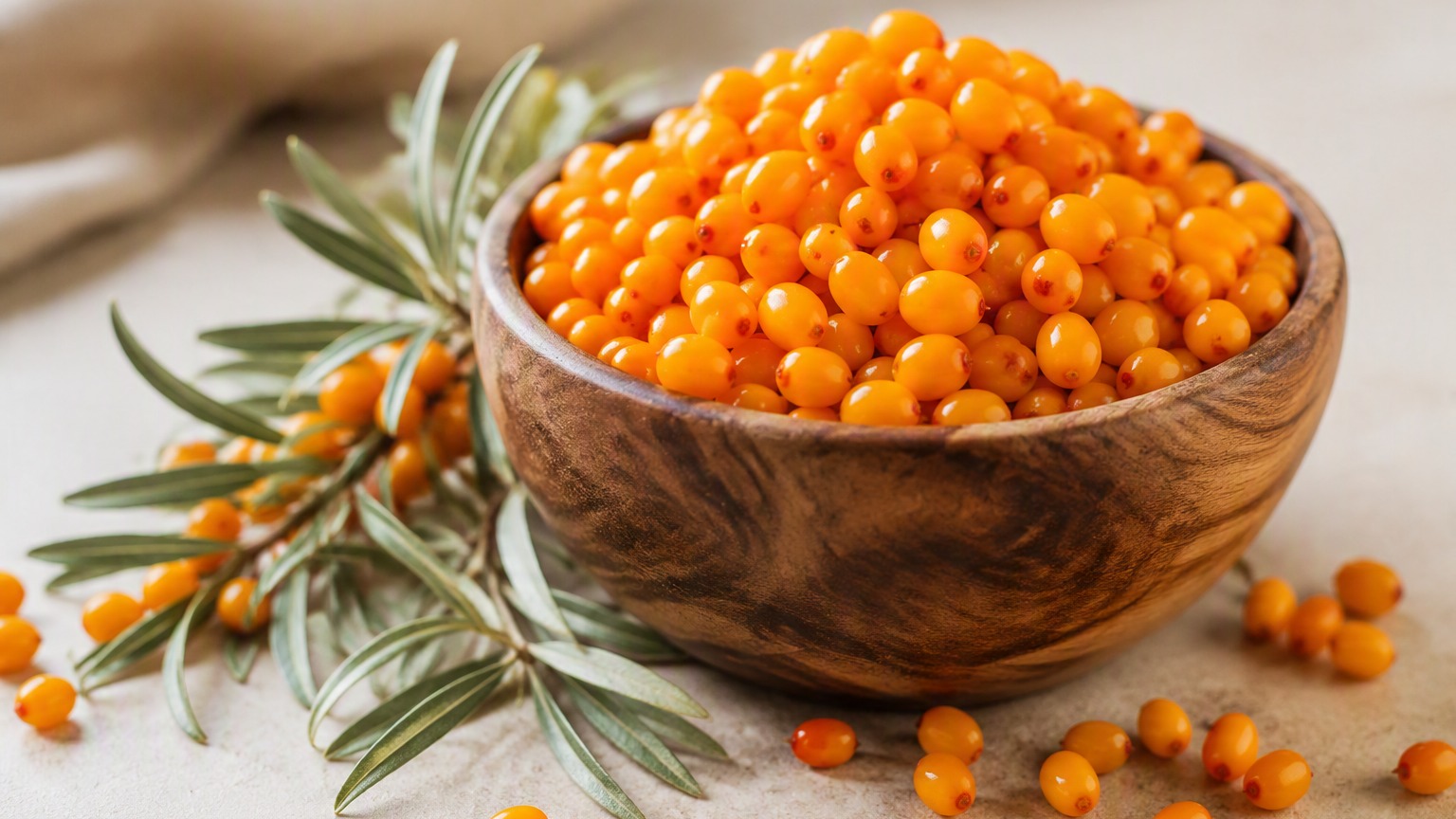
 Sea buckthorn (Hippophae rhamnoides), also known as Seaberry, has been treasured for centuries in Tibetan and Chinese medicine as the “holy fruit.” Today, modern research is uncovering what traditional healers have long known — and for women navigating the transition into menopause, sea buckthorn offers a uniquely dense combination of nutrients that may help ease the journey.
Menopause brings a cascade of hormonal changes: declining estrogen affects skin, heart health, bone density, sleep, and mood. Sea buckthorn is one of the few plants that delivers omega 3, 6, 7, and 9 fatty acids together with vitamins C and E, carotenoids, flavonoids, and phytosterols — a nutritional profile that reads like a checklist for menopausal women’s health concerns.
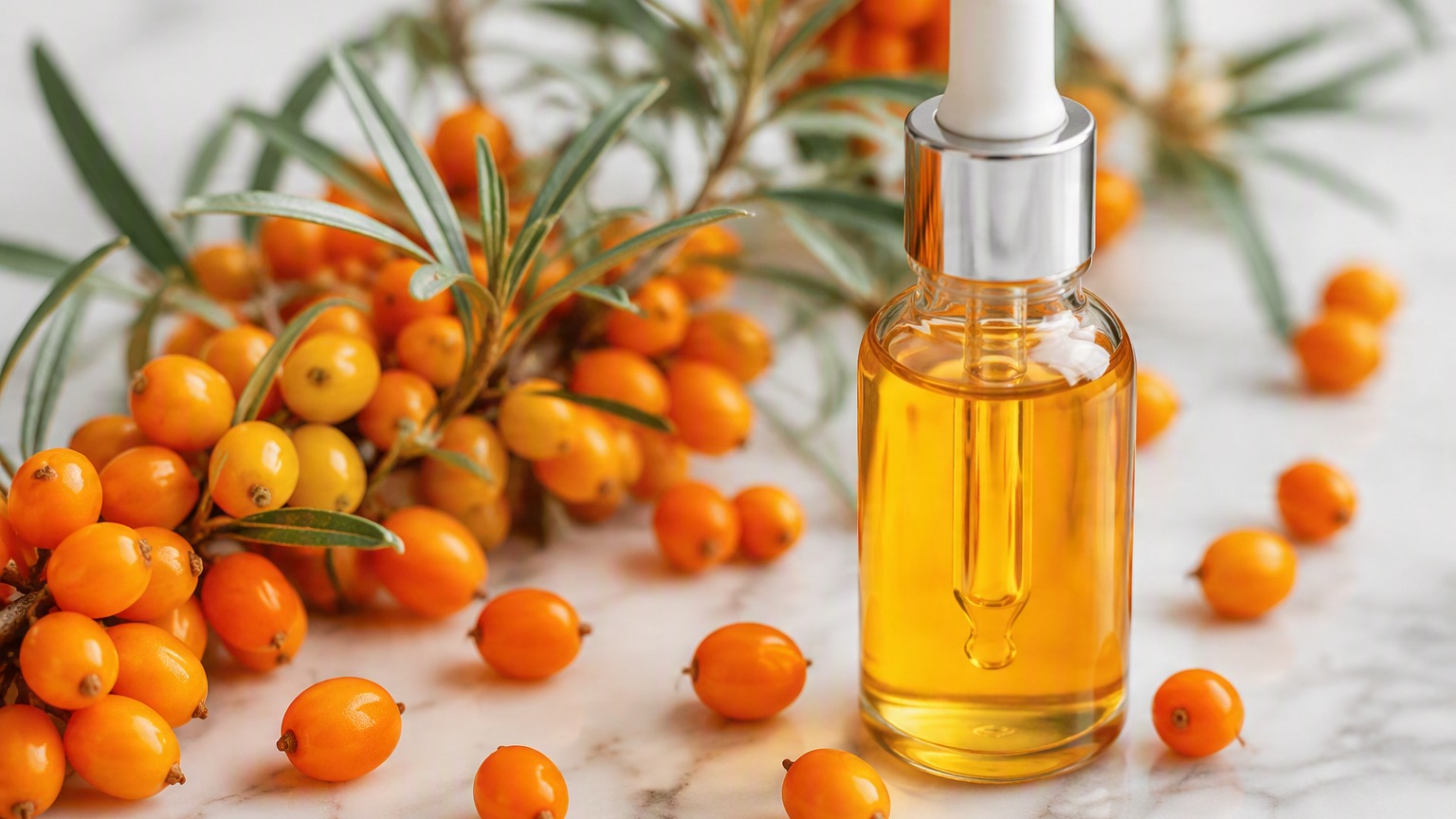
Why Sea Buckthorn Is Relevant During Menopause
During menopause, the body’s natural production of estrogen and progesterone declines, which can trigger uncomfortable symptoms. Sea buckthorn’s nutrients target several of the systems most affected by this transition:
1. Omega 7 for Skin and Mucous Membranes
Sea buckthorn is one of the richest natural sources of palmitoleic acid (omega 7), a fatty acid found in skin tissues. Research suggests omega 7 supports skin hydration, elasticity, and the health of mucous membranes — areas that often become dry and sensitive as estrogen levels drop during menopause.
2. Antioxidants for Cellular Protection
The bright orange berries are packed with carotenoids (including beta-carotene and zeaxanthin), flavonoids, and vitamins C and E. These antioxidants help neutralise free radicals — oxidative stress tends to rise with age and hormonal change, and a diet rich in antioxidants supports healthy ageing at the cellular level.
3. Omega 3 and 6 for Heart Health
Cardiovascular risk increases after menopause, partly due to changes in lipid metabolism. Sea buckthorn’s omega 3 and omega 6 fatty acids, along with its plant sterols, support healthy cholesterol levels already within a normal range — a valuable addition to a heart-healthy lifestyle.
4. Phytoestrogens and Hormonal Balance
Sea buckthorn contains plant compounds that can gently interact with oestrogen receptors. While not a replacement for hormone therapy, these phytoestrogens are one reason sea buckthorn is traditionally associated with women’s wellness during the menopausal transition.
5. Support for Mood and Sleep
Fatigue, irritability, and disrupted sleep are common menopausal complaints. The omega fatty acids in sea buckthorn contribute to healthy nervous system function, and its anti-inflammatory properties may help support a calmer, more balanced mood.
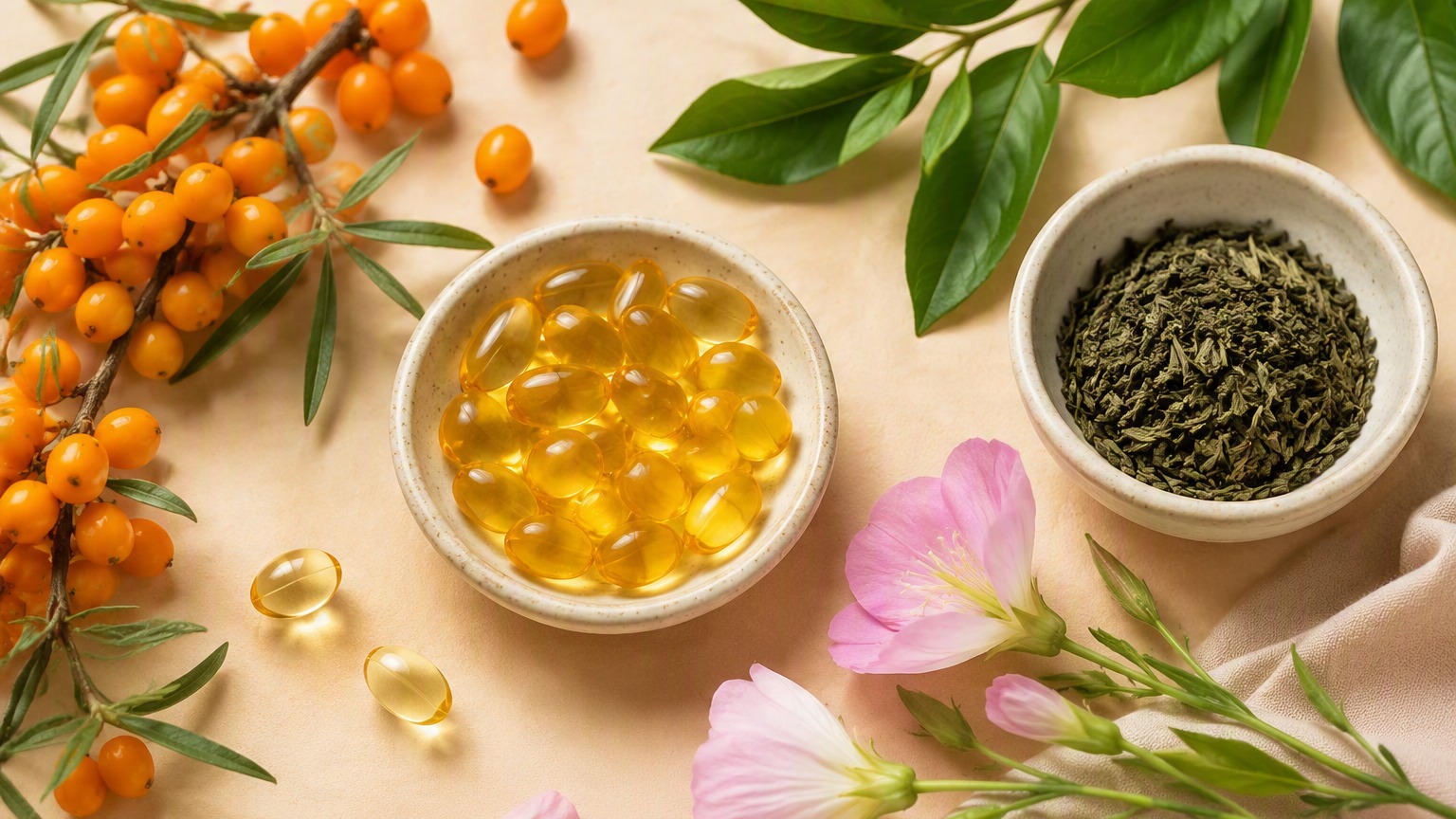
Clinical Research on Sea Buckthorn for Menopause
While large-scale menopause-specific trials are still emerging, a growing body of research on sea buckthorn supports its use during the transition:
Skin and Mucous Membrane Health Study
A 2014 study examined the effects of sea buckthorn oil on skin condition and found significant improvements in skin hydration and elasticity. The researchers linked these benefits to the berry’s unique omega 7 content — directly relevant to women experiencing menopausal skin dryness.
Cardiovascular Support Study
A longitudinal controlled trial in India studied seabuckthorn seed oil in subjects with elevated cardiovascular risk factors. The treatment group showed significant improvements in blood pressure and lipid profile compared with the control group — suggesting sea buckthorn may support the cardiovascular changes women face after menopause.
Antioxidant and Anti-inflammatory Research
Studies on sea buckthorn’s flavonoid and carotenoid content continue to demonstrate potent antioxidant and anti-inflammatory activity. Chronic low-grade inflammation is increasingly recognised as a driver of age-related health decline, making anti-inflammatory foods especially relevant in the menopausal years.
How to Add Sea Buckthorn to Your Routine
Sea buckthorn is available as oil, capsules, juice, and whole berries. For menopausal women, the most concentrated and convenient options are:
Sea Buckthorn Oil Capsules
Oil capsules deliver the full spectrum of omega 3, 6, 7, and 9 along with fat-soluble vitamins, in a convenient daily dose. Look for cold-pressed, pure sea buckthorn oil without unnecessary fillers.
Whole Berries and Juice
The berries themselves are nutrient-dense, though their tart flavour can be an acquired taste. They work well in smoothies, yoghurt, or as a concentrated juice.
Safety and Considerations
Sea buckthorn is generally well tolerated. As with any supplement, women who are pregnant, breastfeeding, taking blood-thinning medication, or managing a medical condition should consult a healthcare professional before use. Start with a lower dose and increase gradually to assess tolerance.
Related Topics
Omega 3, 6, 7, 9 – What are The Differences and Benefits?
8 Proven Benefits Of Sea Buckthorn For Hair
Sea Buckthorn Oil Benefits to the Skin
Top 7 Benefits of Sea Buckthorn
Why You Need Omega 7 in Your Diet?
Vegan Omega 3, 6, 7 & 9 – Ultimate Women’s Nutrition
Omega 3, 6, 7, 9 – Apakah Perbezaan dan Faedah?