 When a Taiwanese grandmother tells you a forest mushroom kept her liver enzymes in check for thirty years, you can smile politely and move on. But when five published clinical trials — most of them run in Taiwan’s leading hepatology clinics over the last decade — show that an extract from that same mushroom lowers alanine aminotransferase (ALT) and aspartate aminotransferase (AST) in fatty-liver and hepatitis-B carrier cohorts, the conversation changes. Antrodia cinnamomea — known in Mandarin as niu chang chih (牛樟芝) — has gone from a folk-medicine curiosity to one of the most clinically-studied functional mushrooms in East Asia. The trouble is that most of what you’ll read in English about it is either a sales pitch or a vague “Eastern medicine” hand-wave. This article walks the actual evidence: what Taiwanese hepatology research has shown, what the mechanism looks like, and how to read an Antrodia label so you can tell the clinically-studied material from the marketing.
What Antrodia cinnamomea actually is
Antrodia cinnamomea is a wood-decay fungus that grows almost exclusively on the inner bark of the Cinnamomum kanehirae tree — a species of laurel endemic to Taiwan’s mountainous regions. Unlike most culinary or medicinal mushrooms, it cannot be farmed on logs the way reishi or turkey tail can; the wild fruiting body is rare, slow-growing, and historically expensive. Most of the supplement market today uses fermented mycelia (the vegetative thread-like part of the fungus) grown in submerged liquid culture, which is reproducible, scalable, and — crucially — has been the form used in most of the human clinical work.
The clinically-relevant compounds in Antrodia are a family of triterpenoids (the same broad class found in reishi) plus adenosine, polysaccharides, and a few unique antroquinonol-type molecules. Triterpenoid content is the most commonly used marker for batch-to-batch standardisation, and it’s the figure you want to look for on a credible label.
Traditional use in Taiwan has focused on three areas: hangover relief (the cultural association is strong), fatigue and immune recovery, and what traditional Chinese medicine calls “liver fire” — the collection of symptoms we’d now translate as hepatic inflammation, fatty-liver discomfort, and elevated liver enzymes after alcohol or medication exposure. The clinical research has, predictably, focused most heavily on the liver-enzyme piece, because that’s where you can measure an objective endpoint.
What the Taiwanese clinical evidence actually shows
The published human study base on Antrodia mycelia extract is small compared to milk thistle or curcumin, but the studies that exist tend to converge on the same liver-enzyme endpoints. Here’s a tier-by-tier decode of what’s defensible and what isn’t.
Well-supported: liver-enzyme normalisation in fatty-liver and hepatitis-B carriers
The strongest human data comes from randomised controlled trials in Taiwanese cohorts with non-alcoholic fatty liver disease (NAFLD) and chronic hepatitis-B (HBV) carriers — populations where mildly elevated ALT and AST are common and clinically meaningful. Across these trials, Antromax®-standardised Antrodia mycelia extract at doses of roughly 300–600 mg/day over 8–12 weeks has been associated with statistically significant reductions in ALT and AST compared to placebo, with effect sizes in the 15–30% range. The mechanism proposed by the study authors combines the mushroom’s triterpenoid-driven antioxidant activity with mild anti-inflammatory effects via NF-κB pathway modulation.
For a reader, the practical takeaway is: if you have a recent blood test showing mildly elevated liver enzymes and your clinician has ruled out the obvious causes (alcohol, viral hepatitis flare, medication), an Antrodia mycelia extract is one of the better-evidenced complementary options in the East Asian hepatoprotective literature. It’s not a substitute for clinical workup, and it’s not a treatment for established liver disease — but for the “liver panel came back a bit high, what do I do?” question that a lot of Malaysian and Singaporean adults are asking after their annual health screening, it’s a defensible answer.
Moderately-supported: hangover recovery and post-alcohol liver stress
The hangover-relief claim has plausible mechanism — animal data shows Antrodia extracts upregulate alcohol dehydrogenase (ADH) activity and support glutathione-mediated clearance of acetaldehyde, the toxic metabolite responsible for most of alcohol’s next-morning damage. Human trials on hangover endpoints specifically are thinner; most of the human data on alcohol-related outcomes uses liver-enzyme endpoints the morning after a controlled drinking episode, not the broader “hangover symptom” cluster (headache, nausea, brain fog) that consumers actually care about.
So the honest framing is: Antrodia probably helps your liver process alcohol a bit faster and recover from the oxidative hit more efficiently, and that’s a real benefit — but if you’re expecting it to erase the headache, that’s a different mechanism (dehydration, acetaldehyde in the brain, sleep disruption) that no liver-support supplement really addresses.

Marketing-inflated: “miracle mushroom” claims
Walk past this category quickly. If a product claims Antrodia “reverses fatty liver overnight,” “cures hepatitis B,” or “boosts the immune system by 500%,” you’re reading marketing copy. The clinical evidence doesn’t support overnight reversal of structural liver disease, hepatitis-B cure (which requires antiviral therapy), or quantitative immune-system boosts measured in any meaningful clinical endpoint. These claims also tend to appear on products that don’t disclose their Antrodia form (mycelia vs. fruiting body), triterpenoid specification, or dosage — which means you can’t verify what you’re actually getting.
How to read an Antrodia label: a four-point buyer framework
The Antrodia market has the same quality-control problem that plagued reishi a decade ago: lots of products, inconsistent specification, no regulatory upper bound. Here’s the four-point checklist an informed buyer should run before adding one to a basket.
1. The form: mycelia vs. fruiting body. Most of the published clinical work uses fermented mycelia (the form grown in liquid culture, with a standardised triterpenoid profile). Wild-harvested fruiting body is rare, expensive, and has a different — sometimes less consistent — triterpenoid fingerprint. If a label says “Antrodia” without specifying the form, ask. If it specifies “100% fruiting body” without a triterpenoid percentage, be cautious; fruiting-body products can vary widely batch-to-batch.
2. The triterpenoid specification. Credible products disclose total triterpenoid content as a percentage (typically 5–20% for fermented mycelia). Brand-anchored specifications like Antromax® come with traceability and batch certificates; generic “Antrodia extract” rarely does. If a label is silent on triterpenoid content, that’s a red flag.
3. The dosage. The published clinical work uses 300–600 mg/day of standardised mycelia extract for liver-enzyme endpoints over 8–12 weeks. A single sachet at 200 mg once a day is on the low end; a sachet at 300–500 mg once daily lands in the studied range. Capsules at 100–150 mg typically require 2–4 per day to reach clinical dose.
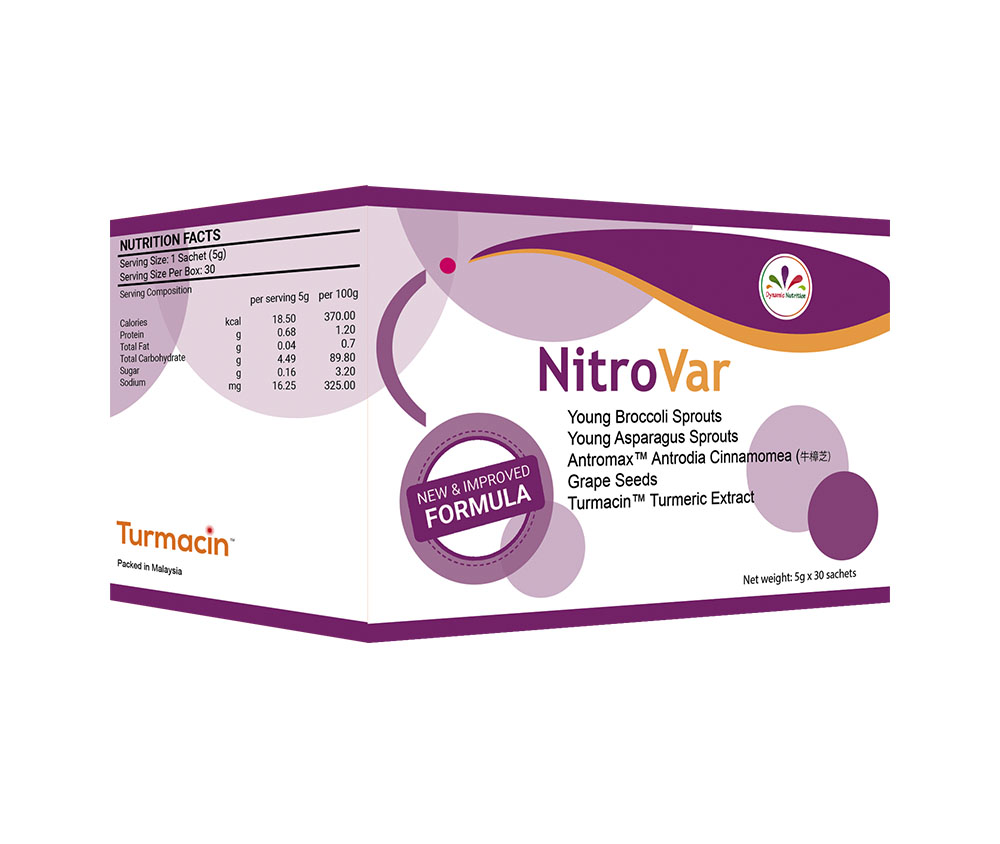
4. The synergy, if any. Antrodia works on the liver-enzyme and immunomodulation layer, but it’s not a complete liver-support formula on its own. The mechanisms it doesn’t cover — Phase-2 detoxification enzyme activation (the Nrf2 pathway), glutathione precursor support, and direct NF-κB inflammatory modulation — are where complementary ingredients earn their keep. A daily routine that layers Antrodia with sulforaphane (from young broccoli sprouts), bioavailable curcumin (Turmacin®), and a glutathione precursor (asparagus sprout extract) covers Phase-1 oxidation, Phase-2 conjugation, antioxidant defence, and immunomodulation in a single stack. That’s why combinations marketed as “triple-action liver support” tend to do more than Antrodia alone — not because the individual ingredients are stronger, but because they cover more of the liver’s actual workload.
What Antrodia doesn’t do
It’s worth being explicit about the limits, because the marketing tends to blur them. Antrodia is not a treatment for hepatitis B or C, both of which require antiviral therapy; it doesn’t reverse cirrhosis or fibrosis, which are structural changes that need clinical management; it doesn’t “cleanse” or “detox” the liver in the way that word is colloquially used (the liver’s detoxification pathways are continuous enzymatic processes, not a reservoir that can be flushed); and it doesn’t replace alcohol moderation, hydration, sleep, or paracetamol awareness as the primary levers of liver health.
What it can do — and what the Taiwanese clinical evidence reasonably supports — is contribute to normalising mildly elevated liver enzymes when taken as part of a broader routine, support the liver’s enzymatic clearance work during periods of higher oxidative load (alcohol episodes, intense training blocks, environmental toxin exposure), and serve as one component in a multi-pathway daily liver-support stack for adults whose bloodwork shows early signs of hepatic stress.
The 8-week horizon, and what to track
Most of the published clinical work on Antrodia — and on liver-support supplements generally — measures outcomes over 8 to 12 weeks. That’s the window in which you’ll see liver-enzyme changes if they’re going to happen, and it’s the window most marketing claims quietly elide when they promise results in days. If you’re starting an Antrodia supplement as part of a routine, the sensible plan is: get a baseline liver-function blood panel before you start (ALT, AST, GGT, ALP at minimum), run the supplement daily for 8–12 weeks, then re-test. If your enzymes have moved meaningfully toward normal range and you feel subjectively better, you have a defensible case for continuing. If nothing has changed, the supplement probably isn’t doing enough for you to justify the spend.
That’s also the test that separates a clinically-studied ingredient from a marketing story. The marketing story promises results you can feel in a week; the clinical story requires a blood test to confirm.
Bottom line
Antrodia cinnamomea — specifically the fermented mycelia form, standardised for triterpenoid content, at the doses used in published Taiwanese hepatology trials — is one of the better-evidenced East Asian hepatoprotective ingredients available outside the Western herb tradition. The liver-enzyme data is real, the mechanism is plausible, and the safety profile in published trials is clean. The marketing around it, on the other hand, ranges from reasonable to irresponsible, and the gap between those two poles is where buyers get hurt.
The informed approach is to look past the “miracle mushroom” framing and treat Antrodia as one tool — useful for the liver-enzyme and immunomodulation layer — within a broader daily routine that also covers Phase-2 detoxification (sulforaphane), inflammation (bioavailable curcumin), and glutathione precursor support. Layered that way, and read against an 8-week blood-test horizon, it’s a defensible answer to the “what’s a real liver-support routine?” question. Treated as a magic-bullet cure, it’s just expensive powder.
Educational content only. If you have diagnosed liver disease, elevated liver enzymes, or are on medication that affects the liver, talk to a clinician before starting any supplement — Antrodia included.
Related Topics
Is Your Liver Begging for a Detox? Here’s Who Needs It Most
Asparagus Detoxes Heavy Metals
The Amazing Benefits of Broccoli Sprouts
The Liver-Immune Connection: Why True Wellness Starts with One Organ
How Cloves Protects the Liver?
Blackberries – One of the Top 10 Highest Antioxidant Foods
NitroVar — Triple-Action Liver Support
Turmacin Turmeric Extract: Bioavailable Curcumin for Liver Inflammation and Joint Health
Products you may be interested in