Elderberry: Nature’s Deep Purple Powerhouse and Its Top 5 Science-Backed Benefits
For centuries, elderberry (Sambucus nigra) has been a cornerstone of traditional herbal medicine across Europe and North America. These small, dark purple berries—harvested from the elder tree—have recently surged in popularity as a natural wellness supplement. But beyond the hype, what does science actually tell us about elderberry’s health benefits? Let’s explore the evidence behind this vibrant superfruit. 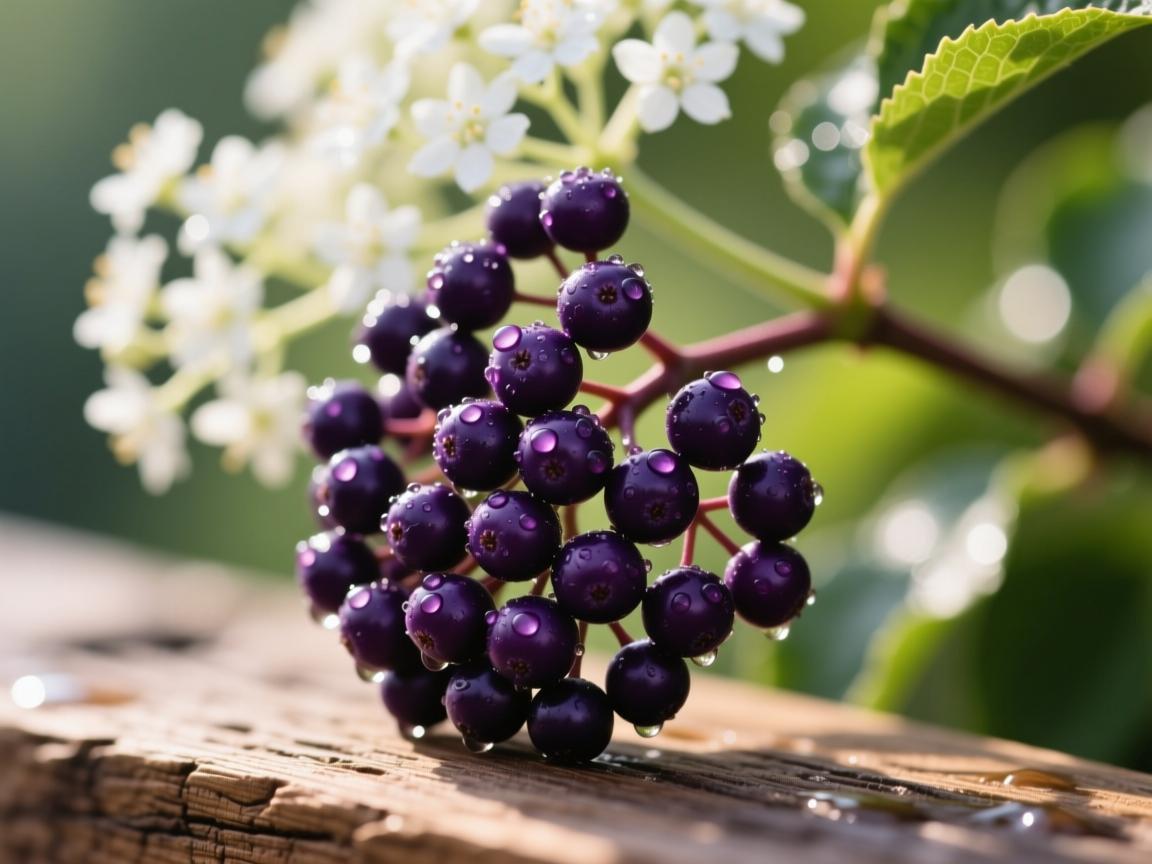
Top 5 Evidence-Based Benefits of Elderberry
1. May Reduce Duration and Severity of Cold and Flu Symptoms
Elderberry’s most researched benefit involves respiratory viral infections. Multiple clinical trials suggest that elderberry supplementation can shorten the duration of cold and flu symptoms by an average of 2–4 days when taken within 48 hours of symptom onset. A comprehensive 2021 review published in Complementary Therapies in Medicine analyzed existing research and concluded that elderberry appears to be a safe option for treating viral respiratory illness, with no evidence that it overstimulates the immune system—a concern some had raised. The mechanism appears to involve compounds that may inhibit viral replication and enhance the body’s natural immune response.
2. Exceptionally Rich in Antioxidants
Elderberries are nutritional powerhouses when it comes to antioxidants, particularly anthocyanins—the pigments responsible for their deep purple color. These berries contain some of the highest concentrations of anthocyanins among commonly consumed fruits. Research shows that elderberry anthocyanins (especially cyanidin-3-glucoside and cyanidin-3-sambubioside) demonstrate potent free radical-scavenging activity, helping neutralize oxidative stress that contributes to chronic disease and aging. This antioxidant capacity may be one reason elderberries have been associated with reduced risk of several chronic conditions when consumed as part of a balanced diet.
3. Supports Immune Function Without Overstimulation
Beyond fighting active infections, elderberry may help modulate immune function. Studies indicate that elderberry extract can stimulate the production of inflammatory cytokines like IL-1β, TNF-α, IL-6, and IL-8—signaling molecules that help coordinate immune responses. Importantly, research has found no evidence that elderberry causes dangerous immune overactivation or cytokine storms, addressing earlier theoretical concerns. This balanced immunomodulatory effect makes elderberry a potentially valuable seasonal wellness supplement, particularly during cold and flu season.
4. May Support Cardiovascular Health
Emerging research suggests elderberry could benefit heart health through multiple pathways. Studies have shown that elderberry consumption may improve endothelial function—the health of blood vessel linings—which is crucial for maintaining healthy blood pressure and circulation. Some research indicates elderberry anthocyanins may help reduce LDL (“bad”) cholesterol levels and improve fat metabolism. A 2022 study published in the Journal of Food Biochemistry noted elderberries’ potential as a supplement to improve vascular function, particularly relevant for individuals recovering from viral infections that can impact cardiovascular health. However, more large-scale human trials are needed to confirm these cardiovascular benefits.
5. Natural Source of Vitamins and Anti-Inflammatory Compounds
Elderberries provide meaningful amounts of vitamin C (approximately 36mg per 100g of fresh berries) along with smaller amounts of vitamins A and B6, plus minerals like iron and potassium. Beyond vitamins, elderberries contain flavonols, phenolic acids, and other polyphenols that demonstrate anti-inflammatory properties in laboratory studies. Chronic inflammation underlies many modern diseases, so incorporating anti-inflammatory foods like properly prepared elderberries into your diet may offer protective benefits as part of an overall healthy lifestyle.
The Bottom Line
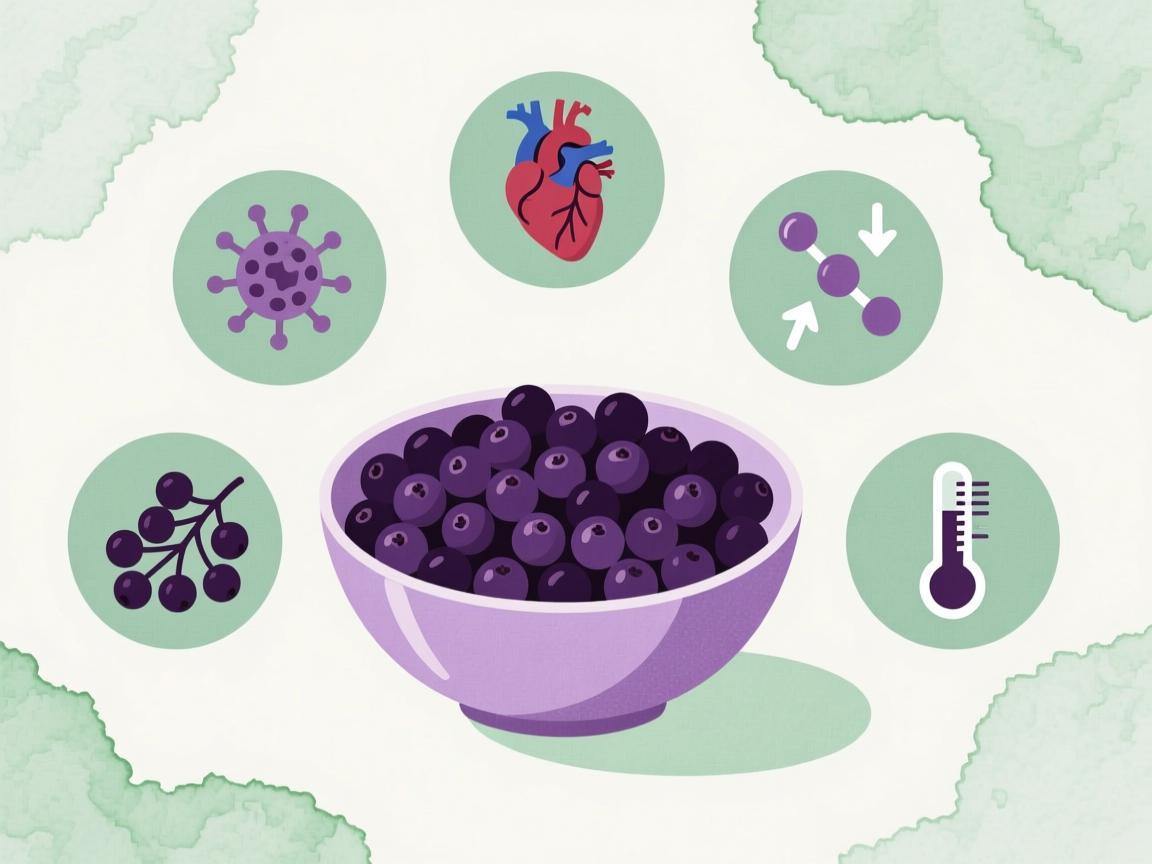 Elderberry isn’t a miracle cure, but it is a promising botanical with legitimate science supporting several health benefits—particularly for immune support during cold and flu season. Its exceptional antioxidant profile and apparent safety profile (when properly prepared) make it a worthwhile addition to a preventive wellness routine.
Related Topics
Elderberry for Immunity: What Science Says About This Viral Superfruit
ElderCraft vs. Elderberry Juice: Not ‘Better’—Just Different. Here’s How to Choose.
Elderberry – a Superfood that contains the Highest Concentrations of Quercetin
Black Elderberry extract inhibits the replication of SARS-CoV2 in vitro
5 Natural Treatments of Cold and Flu
People who are Susceptible to Influenza and How to Strengthen Their Immunity





Facebook Comments