Getting older changes the way the body handles food. After 65, appetite often shrinks, digestion becomes less efficient, and the resting metabolic rate falls because lean muscle is gradually lost. The result is a paradox familiar to many older adults and the families who care for them: fewer calories are needed, but more nutrients are. Eating well in the later years is less about eating more and more about eating smarter — choosing foods that deliver protein, vitamins, minerals, and hydration in a form the older body can actually absorb and use.
This guide explains the changes that matter most after 65, the nutrients most often under-consumed in this age group, and a practical meal pattern you can follow every day. It also covers why protein deserves special attention in older adulthood, and how a whey- and collagen-based protein such as LiveProtein fits into a balanced routine for adults who want to protect muscle, strength, and independence for as long as possible.
Why Nutrition Needs Change After 65
Three age-related shifts reshape nutritional needs almost in parallel:
1. Muscle is lost faster than it is built. Sarcopenia — the gradual loss of skeletal muscle mass and strength — accelerates after 60, with annual losses of 3–8% in sedentary older adults.¹ Because muscle is metabolically active, losing it lowers the basal metabolic rate, so the body needs fewer calories to maintain its weight at rest. Yet protein needs do not fall in step; if anything, they rise because the body becomes less efficient at turning dietary protein into new muscle.
2. Digestion becomes less efficient. Stomach acid production often drops in older adults (a condition called atrophic gastritis, which affects roughly one in three people over 60). Lower stomach acidity reduces the absorption of vitamin B12, calcium, iron, and folate. Medications commonly prescribed in this age group — proton-pump inhibitors, metformin, and certain diuretics — can compound the problem by depleting specific nutrients further.
3. The thirst signal weakens. Older adults are less likely to feel thirsty when fluid levels drop, which makes it easy to drift into chronic low-grade dehydration. Persistent under-hydration is one of the most under-recognised drivers of confusion, constipation, urinary tract infections, dizziness, and falls in this age group.
Common Nutritional Gaps In Elderly People
Even older adults who eat a varied diet often fall short on a small number of key nutrients. These are the ones worth paying deliberate attention to:
Protein
Protein is the single most under-consumed nutrient in older adulthood, and the one with the largest impact on long-term independence. Current evidence-based recommendations for adults over 65 are 1.0–1.2 g of protein per kilogram of body weight per day, higher than the generic 0.8 g/kg/day adult floor.² People recovering from illness, with wounds, or undergoing rehabilitation may need 1.5 g/kg/day or more.
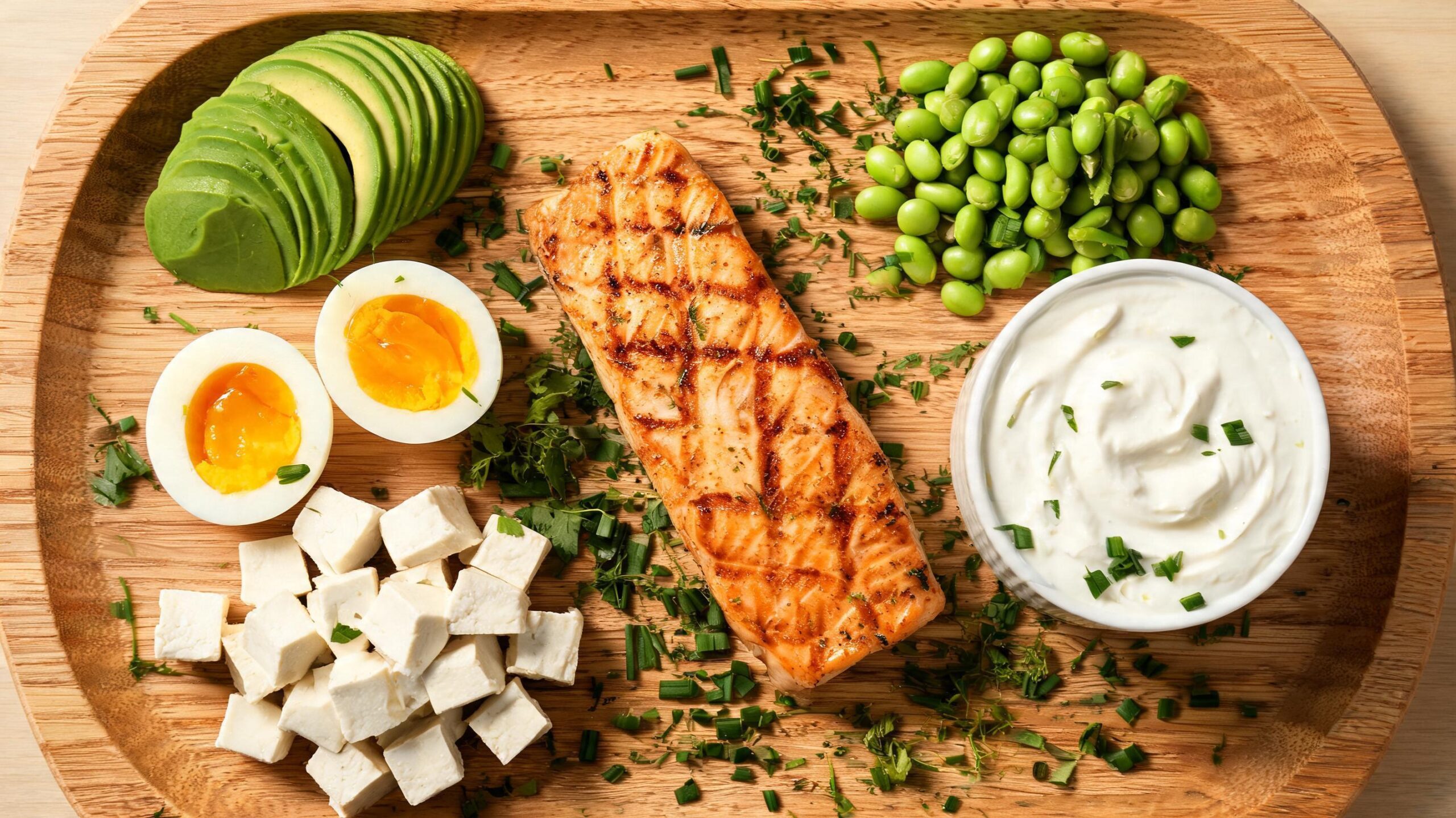
Spreading protein evenly across meals matters as much as the total. A serving that delivers 2.5–3 g of the amino acid leucine is the threshold for maximally stimulating muscle protein synthesis in older adults.³ Plain chicken, fish, eggs, dairy, soy, and a well-designed whey or whey-collagen protein powder can all clear that bar; spreading them across three meals is more effective than loading them all into dinner.
Vitamin D
Vitamin D is essential for calcium absorption, bone density, immune function, and muscle strength. The general recommendation is 600–800 IU per day, but many older adults need 1,000–2,000 IU per day to keep serum 25(OH)D above the 30 ng/mL threshold that supports bone health.⁴ Sun exposure in this age group is often reduced (less time outdoors, more clothing, lower skin synthesis efficiency), so a combination of diet and a moderate supplement is usually appropriate.
Vitamin B12
Vitamin B12 supports nerve health, red blood cell formation, and cognitive function. The RDA is 2.4 µg/day, but older adults with reduced stomach acid often absorb much less from food. Crystalline B12 from fortified foods or a daily 1,000 µg supplement bypasses the absorption problem and is the form most geriatric guidelines recommend for adults with low stomach acidity.⁵
Calcium
Calcium is best absorbed from food, with a daily target of around 1,200 mg for adults over 65.⁶ Dairy, fortified plant milks, small bony fish (sardines, anchovies), tofu set with calcium sulfate, and leafy greens are the most reliable sources. When diet falls short, a modest supplement of 500–600 mg taken with meals is a reasonable addition.
Fiber And Hydration
Fiber supports gut motility, blood cholesterol, blood sugar control, and the gut microbiome. Older adults benefit from 25–30 g of fiber per day, paired with adequate fluid.⁷ If fluid intake is low, fibre can actually worsen constipation, so the two go together: a glass of water with each fibre-rich meal, and water between meals as well.
Why Protein Deserves Special Attention In Older Adults
Protein does more than build muscle. In older adults, adequate protein intake is linked to:
Falls prevention. Sarcopenia is the single most modifiable predictor of falls and frailty in community-dwelling older adults. Maintaining muscle mass and strength through adequate protein and resistance exercise is one of the most evidence-backed ways to reduce fall risk.¹
Faster recovery from illness and surgery. Older adults have a blunted anabolic response to protein, meaning they need a stronger per-meal protein signal to trigger the same muscle-building response younger adults get from less. Spreading 25–30 g of high-quality protein across three meals, with each meal clearing the 2.5–3 g leucine threshold, is the pattern most associated with maintained muscle mass in observational studies.⁸
Bone and joint support. Protein supplies the matrix on which bone is built. Combined with adequate calcium and vitamin D, higher protein intake is associated with better bone mineral density in older adults.⁹
Satiety and weight management. Protein is the most satiating macronutrient. Older adults who prioritise protein at each meal tend to maintain a healthier weight without feeling deprived, which matters when total calories should fall but nutrient density should rise.
Immune and wound healing. Immune cells and wound-repair machinery are protein-dependent. Under-consumption is one of the most common drivers of slow wound healing and infection risk in hospitalised older adults.
How LiveProtein Supports Protein Needs In Older Adults
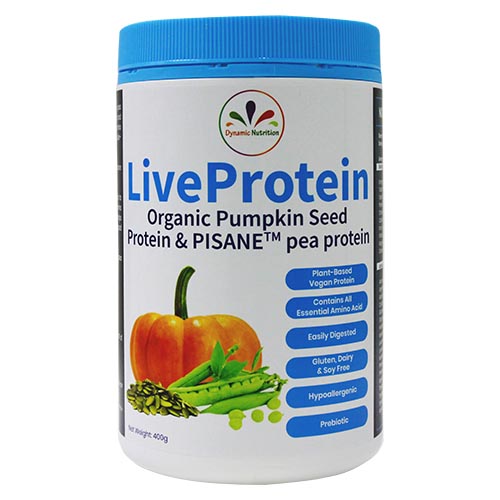
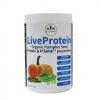
LiveProtein is a 15 g per serving protein blend formulated for adults who want to maintain lean mass, support recovery, and make hitting the per-meal leucine threshold easier. Each serving combines whey protein — a complete protein with a high leucine content and rapid digestibility — with collagen peptides, which support joint, skin, and connective tissue health alongside muscle.
For an older adult who finds it hard to eat a large protein-rich meal at breakfast, or who is cooking for one and wants a convenient way to round out a meal, a scoop of LiveProtein stirred into water, milk, or porridge clears the 2.5–3 g leucine threshold in one step. Combined with a balanced diet and regular resistance exercise, it makes the evidence-based 1.0–1.2 g/kg/day protein target much easier to reach.
Because LiveProtein is whey-based rather than plant-based, it carries the full essential amino acid profile and the rapid digestibility that older adults respond to particularly well. Where appetite is poor or chewing is tiring, a liquid protein serving is often better tolerated than another portion of solid food.
A Practical Daily Eating Pattern
A nutrient-dense day for an older adult does not need to be elaborate. A workable template looks like this:
Breakfast — Soft-cooked eggs, plain Greek yogurt with berries, or porridge made with milk and a scoop of LiveProtein stirred in. Add a glass of water and, if sun exposure is low, a vitamin D supplement.
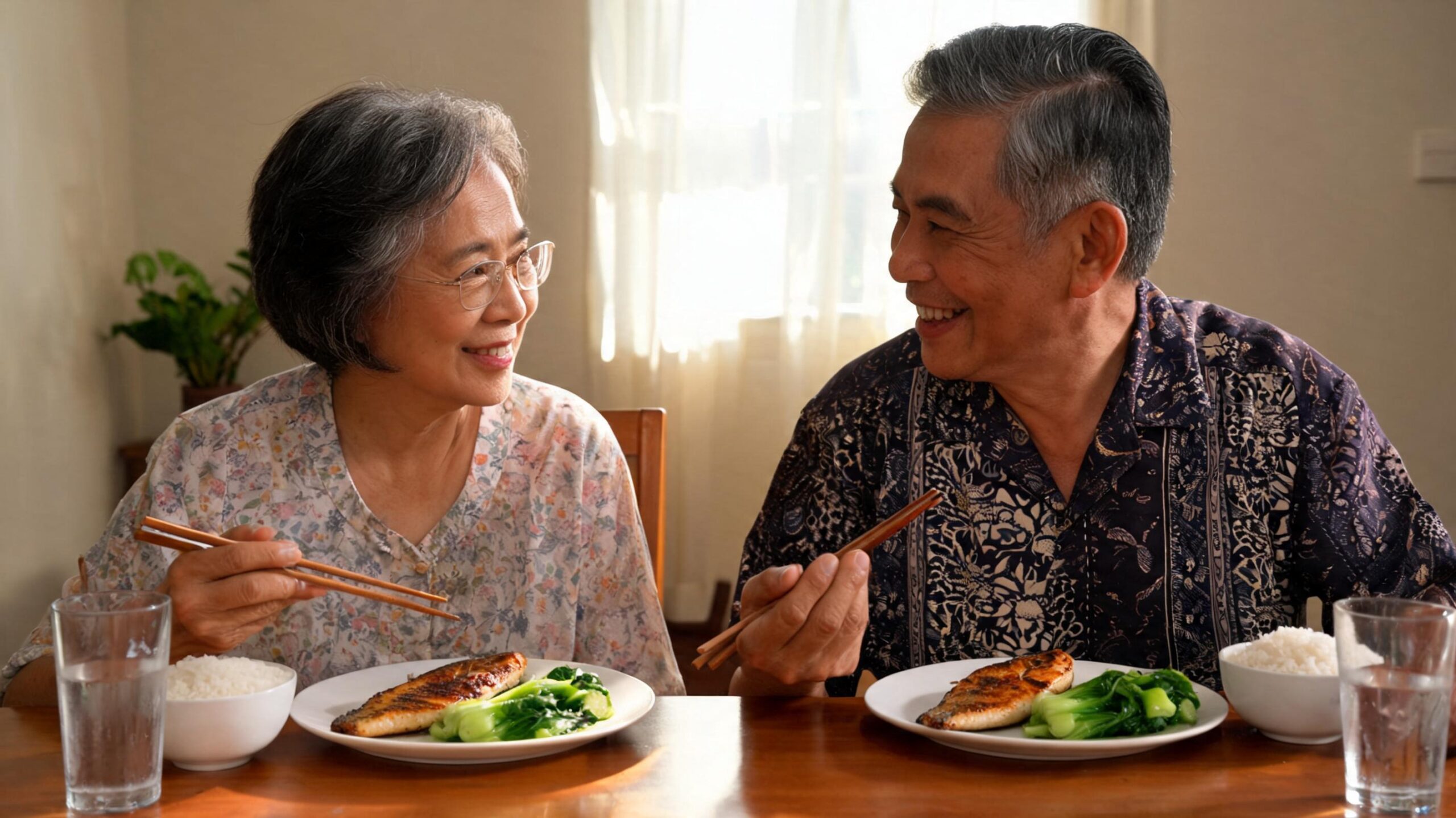
Lunch — Grilled fish, chicken, or tofu with cooked vegetables and a small portion of brown rice or sweet potato. Include leafy greens (spinach, bok choy, kale) for calcium and folate, and dress with olive oil for healthy fats.
Afternoon snack — A small handful of nuts, a piece of fruit, or a LiveProtein shake if lunch was light.
Dinner — A protein-rich main (lentil soup with chicken or fish, tofu stir-fry, or a soft omelet with cheese and vegetables), with cooked vegetables and a starch the person enjoys.
Hydration — Aim for 6–8 cups of fluid spread across the day. Water, milk, herbal tea, and broth all count; cut back on sugary drinks and excess caffeine, which can replace more nutritious fluids.
Lifestyle Tips That Make A Real Difference
Eat protein at every meal, not just at dinner. The per-meal leucine threshold matters more than the daily total when it comes to stimulating muscle protein synthesis.
Pair protein with resistance exercise. Muscle responds to both signals. Two short resistance sessions per week — bodyweight squats, resistance-band rows, sit-to-stand from a chair — are enough to maintain strength when paired with adequate protein.
Keep a simple food and fluid diary for one week. Many older adults discover they are eating far less than they assume, especially on days with low appetite or illness.
Review medications with a pharmacist or doctor. Common drugs (PPIs, metformin, statins, certain diuretics) interact with nutrient absorption. A periodic review catches issues before they become deficiencies.
Watch for early signs of dehydration — darker urine, dizziness on standing, dry mouth, constipation, or new confusion. These are reversible with fluids, but are often misread as other conditions.
Sources
1. Cruz-Jentoft AJ, Sayer AA. Sarcopenia. Lancet. 2019;393(10191):2636-2646. doi:10.1016/S0140-6736(19)31138-9.
2. Bauer J, Biolo G, Cederholm T, et al. Evidence-based recommendations for optimal dietary protein intake in older people: A position paper from the PROT-AGE Study Group. J Am Med Dir Assoc. 2013;14(8):542-559. doi:10.1016/j.jamda.2013.05.021.
3. Church DD, Church DS, Wilborn CD, et al. Nutritional strategies for improving postprandial protein balance in older adults. Nutrients. 2023;15(7):1723. doi:10.3390/nu15071723.
4. Holick MF. Vitamin D deficiency. N Engl J Med. 2007;357(3):266-281. doi:10.1056/NEJMra070553.
5. Allen LH. How common is vitamin B12 deficiency? Am J Clin Nutr. 2009;89(2):693S-696S. doi:10.3945/ajcn.2008.26947A.
6. National Institutes of Health. Calcium — Fact Sheet for Health Professionals. ods.od.nih.gov/factsheets/Calcium-HealthProfessional/.
7. Institute of Medicine. Dietary Reference Intakes for Energy, Carbohydrate, Fiber, Fat, Fatty Acids, Cholesterol, Protein, and Amino Acids. Washington, DC: National Academies Press; 2005.
8. Mamerow MM, Mettler JA, English KL, et al. The relationship between protein intake and lean mass in older adults. J Acad Nutr Diet. 2014;114(8):1235-1242. doi:10.1016/j.jand.2014.04.013.
9. Wu AM, Sun XL, Kang Y, et al. Effect of dietary protein intake on bone mineral density in older adults: A systematic review and meta-analysis. Osteoporos Int. 2019;30(10):1989-2002. doi:10.1007/s00198-019-05063-1.
Also available in Bahasa Malaysia and 中文.
Related Topics
Muscle Loss Starts Earlier Than You Think: The Protein Check Every Over-40 Should Do
Healthspan Is The New Longevity Goal: 5 Daily Habits That Protect Bones As You Age
Age-Related Knee Pain: A Story Of Wear, Tear, And Inflammation
Gradual Loss Of Muscle Mass After Middle Age (Sarcopenia)
Why Pumpkin-Seed Protein Deserves A Separate Look From Pea, Soy, Rice, And Whey
Product you may be interested in