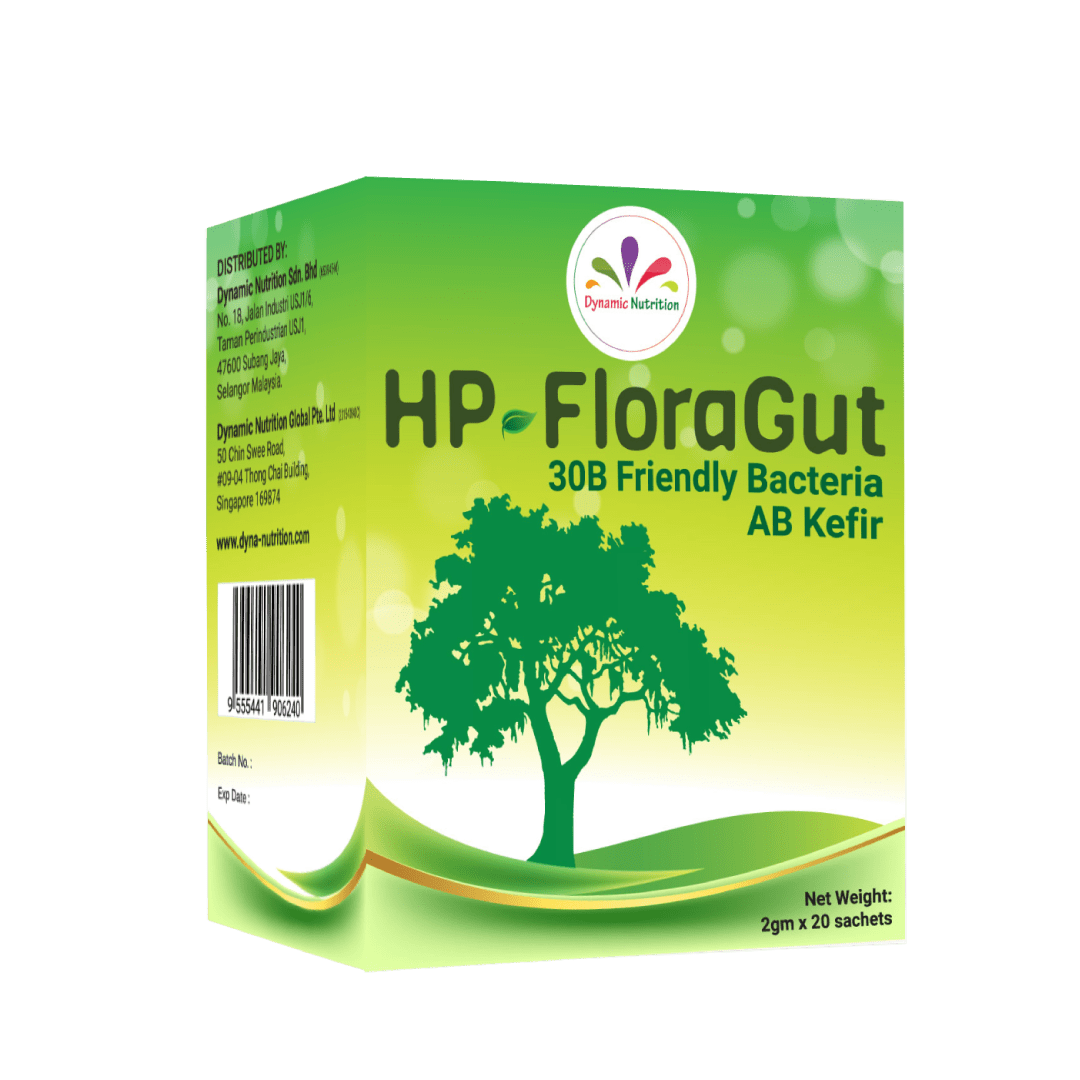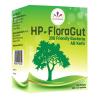
Walk into any pharmacy or supermarket in Kuala Lumpur or Penang and you will find a wall of products making broadly the same promise: good bacteria for your gut. What differs between them is not the shelf appeal, it is the contents. This guide walks through the probiotic families you will actually encounter here, the formats they are sold in, and how to match one to your own routine instead of buying the loudest box on the shelf.

What a probiotic actually is
A probiotic is a live microorganism that is intended to have a health benefit when it is consumed1. That wording matters more than it first appears. The definition attaches to a specific organism, not to a vague idea of friendly bacteria, and the effect attaches to a specific strain. Different types of probiotic can have very different effects, so a result published for one strain tells you nothing reliable about a different strain sold under a similar name2.
The NHS is blunt about how little is settled here: there are many different types of probiotic, little is known about which types are best, and a probiotic that helps with one problem is no reason to expect it to help another1. That is the honest starting point for anyone shopping. You are not buying a category called probiotics. You are buying a named strain in a named format, at a dose you will actually take.
The families you will meet on the shelf
Most probiotics sold here contain organisms from two broad groups, the Lactobacillus group and Bifidobacterium. Some products add a yeast such as Saccharomyces boulardii, which is not a bacterium at all2. Anything more exotic will be clearly labelled, and anything with no organism named at all is a product that has told you nothing.
Two practical notes apply to the labels you will pick up. First, a probiotic for a specific aim needs a specific strain. Second, in 2020 the genus Lactobacillus was formally split into 25 separate genera, including 23 newly created ones, and the species part of each name stayed the same3. So the organism you bought as Lactobacillus rhamnosus on an older pack may now be called Lacticaseibacillus rhamnosus. That is a rename, not a different organism, and it is why an older article and a newer label can look like they describe two different products when they describe the same one.
The formats you can buy
Probiotic families are only half the decision. The form decides whether you will take it.
Sachet powder. A single-dose sachet mixed into water, juice or yoghurt. It travels well, needs no counting, and suits people who want a measured dose without carrying a bottle. This is the format most commonly seen in Malaysian pharmacies and health stores.
Capsules. Shelf-stable and portable, with no mixing and no aftertaste. They suit a routine built around a single daily habit, such as a capsule with breakfast. Read the storage instruction on the carton, because heat and humidity shorten the usable life of many non-spore strains and a fridge is a different instruction from a cupboard.
Chilled yoghurt drinks. Sold in the cold section and consumed as a drink. They are a food first and a supplement second, and they work well for people who would rather eat something than swallow a tablet.
Kefir. A fermented milk made with a mixed culture, so it carries a wider variety of organisms than yoghurt. It is a genuinely different product rather than a higher-count version of the same one, and it keeps with the other chilled items.
Fermented foods. Kimchi, sauerkraut, tempeh, yoghurt and the rest of the fermented shelf feed the bacteria already living in your gut rather than adding a defined strain to it. They are worth eating on their own terms, but they are not a substitute for a product with a named strain on the label, and it is worth being clear about which one you are actually buying.

Matching a format to your routine
The best product for you is the one you will still be taking in a month, so match the format to the habit rather than the other way round.
If you commute, travel or eat out often, a sachet or capsule is the low-friction choice. If you would rather not swallow anything, a chilled drink or a serving of kefir fits into breakfast without ceremony. If your goal is broader intake of fermented food, start with the food shelf and treat any supplement as an addition rather than the foundation.
Two things are worth checking against the label rather than the marketing. Storage matters in this climate: if the pack says to keep it refrigerated, that means the fridge. And cost per serving is the only comparison that holds across formats, so compare the number of servings in the pack against the price, not the price of the box.
One more caution: taking two products that contain the same strain is not twice the benefit. It is the same strain, twice.
How to read a label in five questions
Is there a strain code? A genus and species name on its own tells you much less than a full strain designation, because published results are tied to particular strains2. If the label names only a broad species, you cannot match it to a specific published result.
What count is stated, and counted when? Labels vary in whether the number of organisms refers to the time of manufacture or to the end of the shelf life. Ask which one you are reading. As the NHS notes, it is not always possible to be sure a product contains enough organisms to have an effect, or that they survive long enough to reach the gut1.
What storage does it need? Then check that you can meet it.
How many strains are listed? A longer list is not automatically a better product. It means you are taking several organisms whose individual evidence base may differ.
What is it claiming? If the pack promises to treat a condition, treat the claim with suspicion. The FDA has not approved any health claims for probiotics4.
What the evidence does and does not say
It is worth being precise, because the marketing is not. There is some evidence that probiotics may help with acute diarrhoea, antibiotic-associated diarrhoea and atopic eczema, but strong scientific evidence for other uses is lacking, and most probiotics have been studied far more thoroughly for a handful of conditions than for general daily use4.
There is also a difference between the product in the trial and the product on the shelf. Probiotics are generally regulated as food rather than medicine, which means they do not go through the testing that medicines do, and the NHS notes a likely substantial gap between the pharmaceutical-grade preparations used in clinical trials and the yoghurts and supplements sold in shops1. A study of a specific preparation at a specific dose says rather less about a different bottle from a different shelf.
On safety, probiotics usually cause few side effects, but long-term safety data are limited and the risk of serious side effects may be higher for people with underlying health conditions. Severe and fatal infections have been reported in premature infants given probiotics, and the FDA has warned healthcare providers about that risk4. If you have an existing health condition, a weakened immune system or a pregnancy, speak to a doctor before starting a supplement1.
Claims worth ignoring
A few phrases should trigger a pause. Permanent colonisation of the gut is not something any product has demonstrated. So is the promise that a supplement cures irritable bowel syndrome or another chronic condition, or that a higher organism count is automatically more effective, since the count on the label is a measure of what went in rather than a measure of what happens in you. And be careful with anything asserting a certification, a price or a stockist: those are packaging decisions, not evidence, and the label itself is the only place worth checking.
None of this is an argument against probiotics. It is an argument for buying one named strain, in a format you will use, at a dose you can keep up, and expecting a modest and individual result rather than a promised one.
This article is general information about products and evidence, not medical advice. If you are managing a specific condition, your clinician should decide what goes into your routine.
References
- NHS, “Probiotics.” https://www.nhs.uk/conditions/probiotics/
- National Center for Complementary and Integrative Health, “Probiotics: Usefulness and Safety.” https://www.nccih.nih.gov/health/probiotics-usefulness-and-safety
- Sanders ME, Lebeer S, “New names for important probiotic Lactobacillus species.” International Scientific Association for Probiotics and Prebiotics. https://isappscience.org/new-names-for-important-probiotic-lactobacillus-species/
- National Center for Complementary and Integrative Health, “5 Things To Know About Probiotics.” https://www.nccih.nih.gov/health/tips/things-to-know-about-probiotics
Also available in Bahasa Malaysia and 中文.
Product you may be interested in