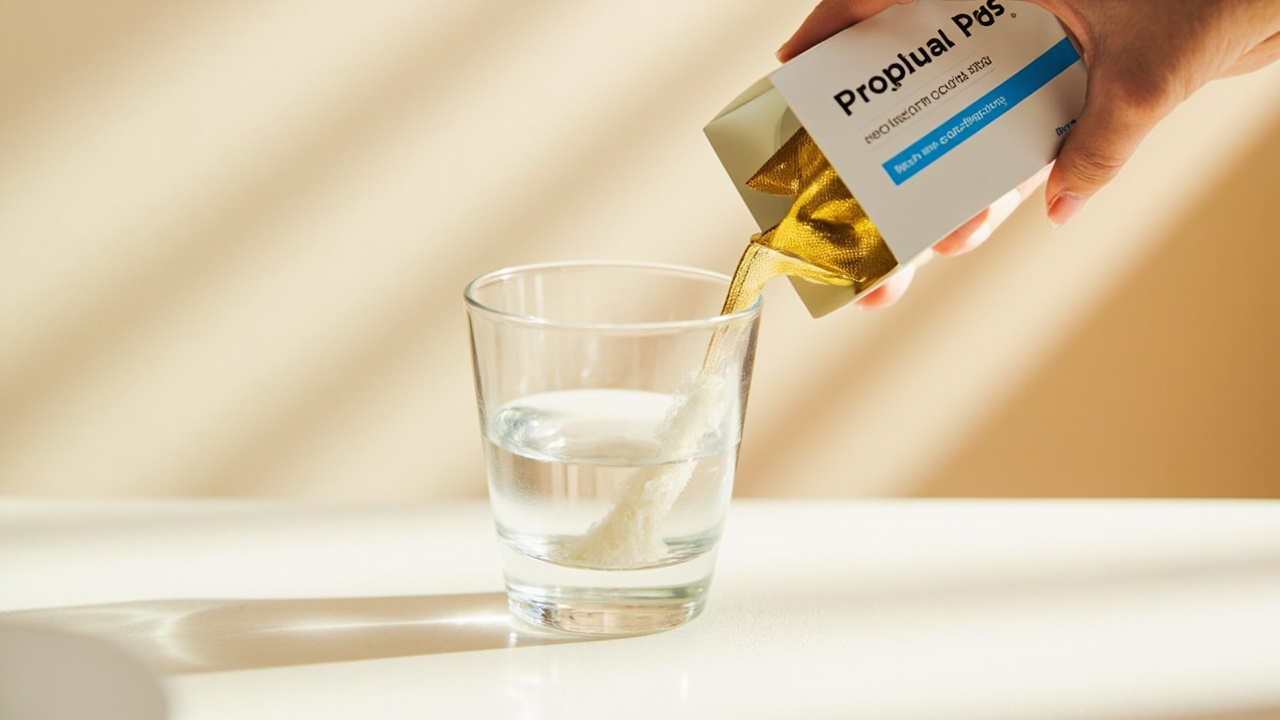
You bought a 30 billion CFU probiotic last month. You take it every morning on an empty stomach with a glass of room-temperature water, exactly as the label said. You waited three weeks. Nothing happened. Your gut feels the same — maybe slightly worse. The bottle is half-empty, the receipt is in the bin, and you’re starting to wonder whether the whole “gut microbiome” thing is overhyped.
It probably isn’t overhyped. But there’s a good chance the capsule you’ve been swallowing is delivering a fraction of what the marketing promised — and the marketing didn’t lie. It just didn’t tell you about the five other levers that decide whether a probiotic actually does anything.
Here’s the contrarian truth most “best probiotic” articles skip: the CFU count on the front of the bottle is roughly the fifth-most-important number on the label. The first four are the strain breadth, the gastric-acid survival technology, the prebiotic pair, and whether the product ships with the postbiotic metabolites the live cultures would otherwise have to generate inside your colon. Get those wrong and 30 billion CFU becomes roughly 3 billion CFU at the point of clinical effect — or less. Get them right and even a lower CFU count can outperform a higher one.
The CFU number is not the number that matters
CFU stands for colony-forming units — a laboratory count of how many live organisms are in the capsule at the moment of manufacture. The moment of manufacture is the problem. By the time the capsule reaches your colon, the number has dropped — sometimes dramatically.
Published data shows that 50 to 90 percent of uncoated probiotic organisms die in the gastric-acid and bile-salt gauntlet of the upper gastrointestinal tract. The stomach acid alone, at a pH of 1.5 to 3.5 during digestion, kills the majority of unprotected Lactobacillus and Bifidobacterium strains within thirty minutes. Bile salts in the small intestine finish the job. The CFU count on the label tells you what was in the capsule in the factory, not what arrives in your colon.
Two technologies close this gap: enteric coating and freeze-drying with cryoprotectants. Enteric coating keeps the capsule intact until it passes the stomach. Freeze-drying with cryoprotectants like trehalose or skim milk puts the organisms into suspended animation so they survive shelf storage. Without both, the 30 billion figure is mostly a fiction by the time you need it.
The product has to disclose both. If the label doesn’t mention coating technology or doesn’t specify CFU at expiry (not just at manufacture), you’re looking at a product where the number on the front is the number that mattered for marketing, not the number that matters for you.

One strain is a single instrument; seven strains is a band
Cochrane meta-analyses — the gold standard of evidence synthesis in medicine — consistently find that multi-strain probiotic formulations outperform single-strain products on upper-respiratory-infection risk reduction, antibiotic-associated diarrhea prevention, and bloating endpoints. The mechanism is that different bacterial strains colonise different niches in the gut, produce different postbiotic metabolites, and modulate different arms of the mucosal immune system. A single-strain product delivers one mechanism. A multi-strain product delivers several at once.
The strain-level disclosure matters too. Lactobacillus rhamnosus GG is not the same organism as Lactobacillus rhamnosus LGG — wait, actually those are the same strain, named twice. The point is that Lactobacillus acidophilus NCFM and Lactobacillus acidophilus LA1063 are different strains with different published evidence bases, different mucosal-adhesion profiles, and different bile-salt tolerance. A product that discloses “Lactobacillus acidophilus” without the alphanumeric code is hiding the part of the label that determines whether the strain has been clinically studied at all.
The honest label discloses genus, species, and alphanumeric strain code: Bifidobacterium longum BL986, Lactobacillus acidophilus LA1063, Lactobacillus fermentum LF26, Lactobacillus helveticus LH43, Lactobacillus paracasei LPC12, Lactobacillus rhamnosus LRH10, Streptococcus thermophilus ST30. Seven named strains, each with a published characterisation. If your bottle says “probiotic blend” without strain codes, the product is using a generic culture that may or may not match the strains used in the published clinical trials it cites.
The postbiotic layer is the one the CFU count completely misses
Postbiotics are the metabolic byproducts that live probiotic cultures generate as they grow and metabolise in the colon: short-chain fatty acids (butyrate, propionate, acetate — the energy source for colonocytes and the substrate for regulatory T-cell differentiation), antimicrobial peptides (natural antibiotics that suppress pathogen colonisation), branched-chain amino acids (the leucine, isoleucine, and valine that support lymphoid-tissue protein synthesis), B vitamins (B1, B2, folic acid — cofactors for energy metabolism in proliferating immune cells), and water-soluble polysaccharides that feed the resident lactic-acid bacteria.
A live multi-strain probiotic formulation regenerates these metabolites in situ, every day, as the bacteria colonise and metabolise. A postbiotic-only product (often marketed as “heat-treated probiotic” or “fermented supernatant”) delivers only a snapshot of the postbiotic profile as it existed at the moment of manufacture. The snapshot is real, but it’s not regenerated. You drink it once. It’s gone.
This is the layer most consumer-facing articles miss when they compare CFU counts. The 30 billion CFU number doesn’t include the 28 free amino acids, the water-soluble polysaccharides, the short-chain fatty acids, the antimicrobial peptides, the B vitamins, and the active enzymes that a multi-strain live culture will generate inside your colon over the hours and days after you take it. The CFU count is the input. The postbiotic profile is the output. Marketing measures the input because it’s easier to count.
The prebiotic pair decides whether the probiotic stays
Even a perfectly delivered multi-strain probiotic with full postbiotic generation will pass through the colon in 48 to 72 hours if there’s no substrate to feed the resident bacteria. This is the transient colonisation problem: you take the capsule, the bacteria arrive, they pass through, they’re gone. The clinical effect requires continuous dosing.
Prebiotics — fermentable fibres that feed beneficial gut bacteria — close this loop. Fructo-oligosaccharides (FOS) and inulin are the most common prebiotic pairs in commercial probiotic products, but they feed both beneficial and neutral bacteria indiscriminately. Isomalto-oligosaccharide (IMO) is the more selective substrate: published data shows IMO preferentially feeds Bifidobacterium and Lactobacillus, the same genera most clinical probiotic formulations deliver. With the right prebiotic pair, the resident beneficial bacteria you colonised on day one continue to thrive on day seven, day fourteen, and beyond.
The label test: does the product disclose the specific prebiotic (IMO, FOS, inulin, galacto-oligosaccharides, or generic “chicory root fibre”), and is the prebiotic dose high enough to matter (typically 1 to 5 grams per serving)? A product that says “with prebiotic” without specifying the substrate and the dose is doing the same marketing move as the CFU count — naming the concept without quantifying the delivery.

Stability and storage: the unglamorous lever
Refrigerated probiotics degrade quickly if the cold chain breaks during shipping, warehouse storage, or your morning routine of leaving the bottle on the kitchen counter. Room-temperature-stable formulations — products using freeze-drying with cryoprotectants, vacuum-sealed sachets, or foil blister packs — hold their CFU count for 18 to 24 months without refrigeration. The convenience matters not just for shelf life but for daily behaviour: a product that requires refrigeration is a product you forget to take when you travel, when the fridge is full, or when you simply don’t feel like opening the door at 7 AM.
For the Malaysia-Singapore reader especially — tropical climate, frequent travel, varied daily routines — the no-refrigeration convenience is a real adherence lever. The published clinical trials cited on the label were conducted under controlled storage conditions. If your real-world storage is a bathroom cabinet or a work-desk drawer, the trial conditions don’t apply to your situation.
How to read a probiotic label in five questions
With all of the above in mind, the framework for evaluating any probiotic product — including the one you already have in the cabinet — comes down to five questions:
One: what is the CFU count at expiry, not at manufacture? If the label says “30 billion CFU at manufacture” without specifying expiry, the number at the moment of clinical use is lower and unknown.
Two: how many strains, and are they disclosed with genus, species, and alphanumeric code? Multi-strain formulations with disclosed strain codes have a stronger evidence base than single-strain products with generic “probiotic blend” labels.
Three: is there a coating technology disclosed, and is the product enteric-coated or freeze-dried with cryoprotectants? This is what closes the gastric-acid and bile-salt survival gap.
Four: what postbiotic metabolites does the product deliver, and at what dose? If the label mentions short-chain fatty acids, antimicrobial peptides, BCAAs, B vitamins, or specifies the postbiotic profile, that’s a different category of product from one that lists CFU only.
Five: what prebiotic pair is included, and at what dose? IMO is the selective-feed substrate that drives Bifidobacterium and Lactobacillus persistence; FOS and inulin are the indiscriminate alternatives.
If your current probiotic fails three or more of these five questions, the product isn’t necessarily bad — it’s just not delivering what the marketing claims. Switching to a product that scores four or five out of five will produce a different result, not because the gut microbiome concept was overhyped, but because the CFU count was never the right number to optimise.
The honest reframe
The “probiotic supplement” category has a transparency problem, not an efficacy problem. The published evidence base for multi-strain probiotics with disclosed strain codes, coating technology, prebiotic pair, and postbiotic metabolites is strong — Cochrane meta-analyses consistently show 30 to 50 percent reduction in upper-respiratory-infection incidence, one-to-two-day reduction in URI symptom duration, and meaningful improvement in bloating and antibiotic-associated-diarrhea endpoints.
The transparency problem is that most products on the shelf optimise one or two of these levers and market all seven. The consumer pays for a 30 billion CFU capsule and receives 3 billion viable organisms arriving in the colon, a single strain with no disclosed code, an unspecified prebiotic, and no postbiotic metabolites at all. The clinical trial was conducted on the full-stack formulation. The product on the shelf is a stripped-down version of the same brand.
Reading the label carefully — strain codes, coating technology, prebiotic pair specificity, postbiotic metabolite disclosure, room-temperature stability — is the only way to tell whether the product you’re buying matches the product the clinical trial tested. The CFU count is the headline. The other five numbers are the story.
Related Topics
When is the Best Time to Take Probiotics?
Do we need both Prebiotics and Probiotics?
Bacterial Vaginosis – Tips for Prevention and Treatment
Gastric Pain: Location, Symptoms and Natural Remedies
Is Your Digestive System Working Well?
What is Irritable Bowel Syndrome (IBS)?
How Probiotics can help you Prevent and Fight Allergies
Please Pay Attention! Eating Probiotics like These Ways are not Effective
Product you may be interested in