If you have read the recent Straits Times ‘New Age’ longevity series, you already know the headline: what happens in our bodies as we age is not one event, it is a cascade. Mitochondrial efficiency drops roughly 10% per decade after 40, NAD+ pools fall about 15% per decade, circulating stem-cell count slips ~1% per year, Nrf2-pathway activity (the ‘longevity-pathway’ antioxidant response) declines ~30% between ages 40 and 70, telomeres shorten, and a low-grade chronic inflammation (the so-called ‘inflammaging’ cytokine load) creeps up. These are the numbers that get cited in the news. What most articles skip is the layer underneath: every step of that cascade is substrate-dependent. The cellular-repair machinery has to have raw materials to work with — AMPK activators that flip the energy-sensor switch, Nrf2 activators that switch on the antioxidant gene-expression programme, the chlorophyll + iron-utilisation inputs that feed the blood-building side, and the superoxide-dismutase (SOD) enzyme that quenches the superoxide radical produced as a by-product of mitochondrial ATP synthesis. Without the daily substrate, the cascade runs faster than the body can repair.
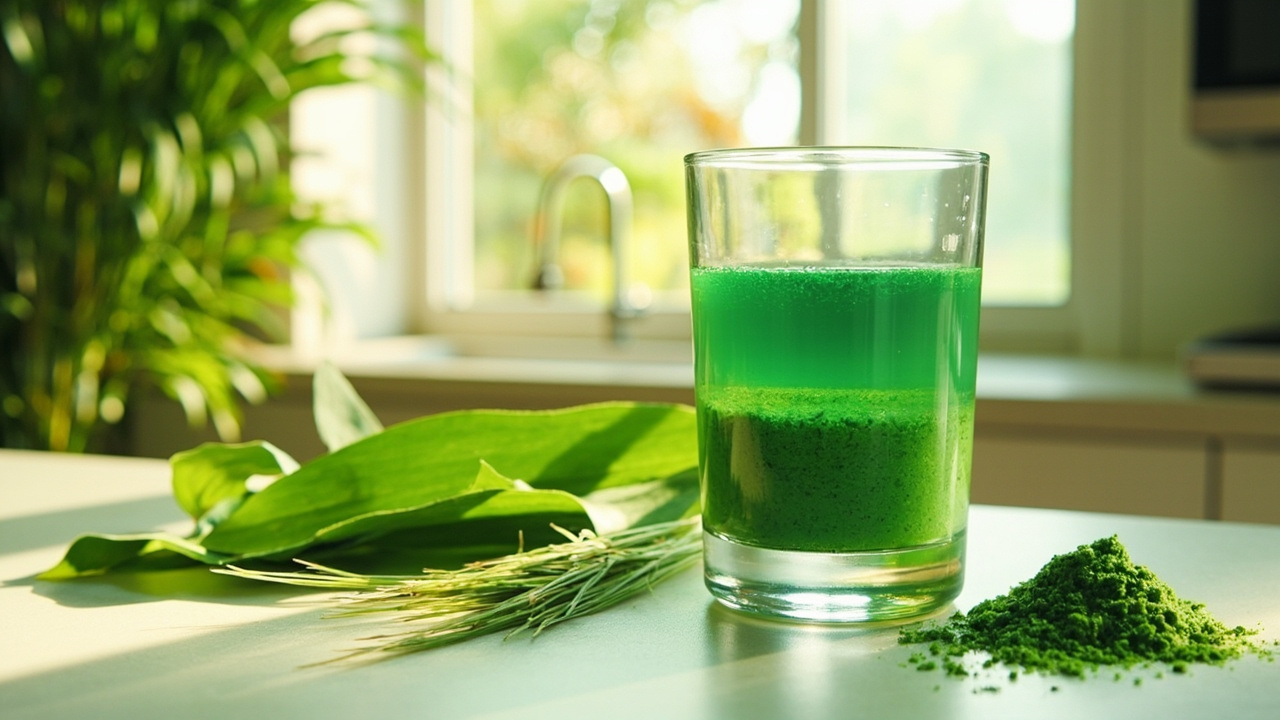
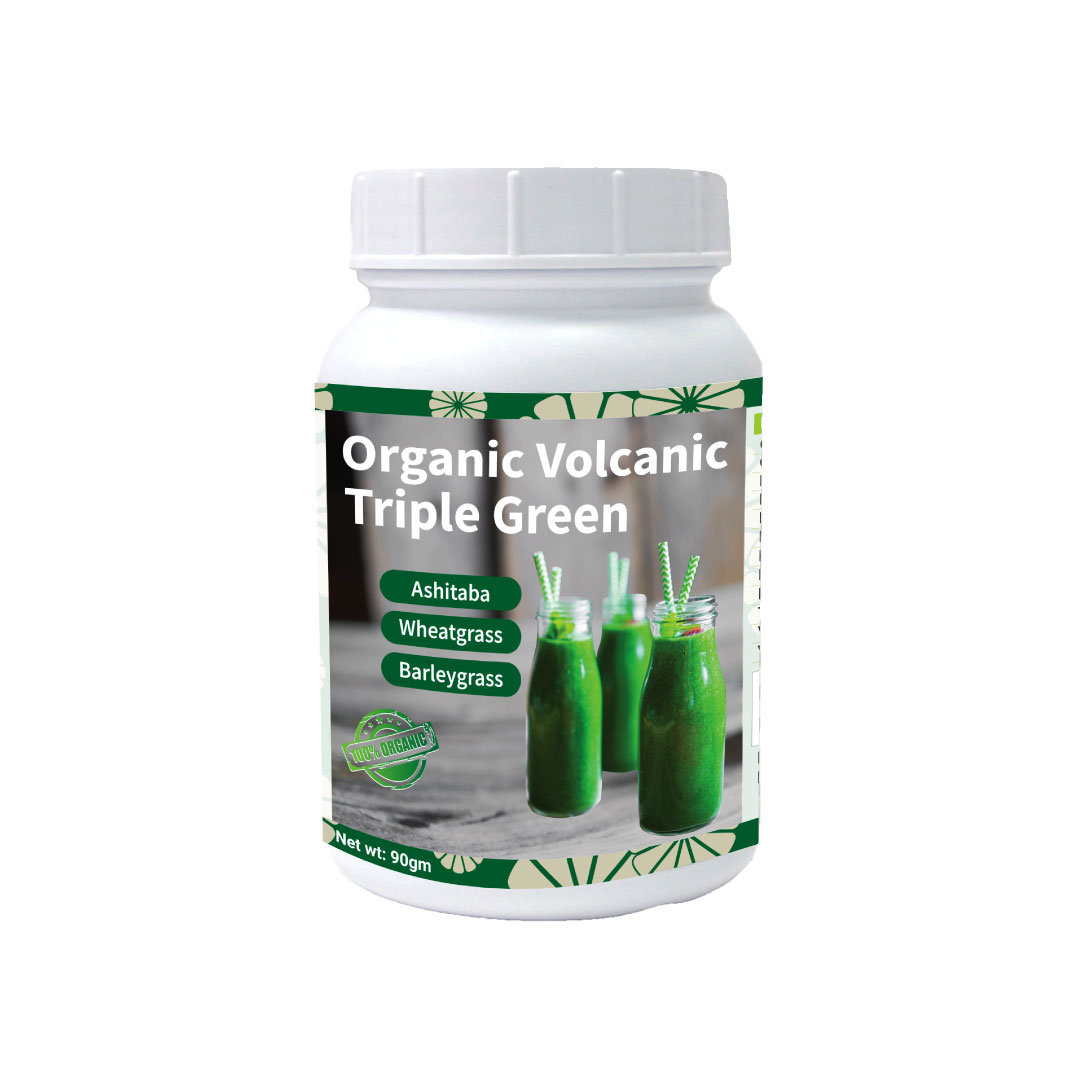
That is the frame for today’s decode — what the ST 5 September 2026 piece walked readers through, but pivoting away from the inevitable ‘miracle supplement’ headline toward the substrate-level daily routine that the decade-by-decade cascade actually depends on. For the MY/SG 30-60 reader who has seen the longevity pieces and wants to know what a real substrate-supportive green routine actually delivers, the answer has three layers, and only one stack on the local market addresses all three together: Triple Green (Organic Volcanic Ashitaba + Wheatgrass + Barley Grass, BioActive Dehydration at <41°C, volcanic-soil 70+-trace-mineral substrate, JAS-certified organic Ashitaba from Japan Bio Science Laboratory, Osaka).
The decade-by-decade cellular-repair cascade — what is actually declining
The longevity research is converging on a small number of measurable declines that begin, in healthy adults, somewhere around the late 30s and continue for the rest of life. Mitochondrial efficiency — how much ATP the cell produces per unit of fuel — drops roughly 10% per decade after 40. NAD+ (the coenzyme that sirtuin-1, the ‘longevity gene’, depends on) declines about 15% per decade. Circulating stem-cell count drops about 1% per year, which means a 60-year-old has roughly a quarter of the circulating stem-cell reserve of a 25-year-old. Nrf2-pathway activity — the transcription factor that switches on the antioxidant gene-expression programme (HO-1, NQO1, GST) — declines roughly 30% between ages 40 and 70. Telomeres shorten. And the chronic low-grade ‘inflammaging’ cytokine load (IL-6, TNF-alpha, CRP) creeps up, even in the absence of acute illness.
The piece that most readers find surprising is that none of these declines are inevitable in the same way for everyone. Lifestyle inputs — sleep, exercise, fasting patterns, dietary substrate — measurably change the slope. The pieces skip the substrate layer because the substrate layer is unglamorous. It is not a ‘biohack’ and it does not deliver a same-day effect. But it is the only layer that the cascade actually depends on, day after day, decade after decade.
The substrate-level inputs the cascade depends on
Every step of the cellular-repair cascade has a substrate-level input that the body uses to keep the machinery running. AMPK (AMP-activated protein kinase, the cellular energy sensor that mirrors the exercise + fasting effect at the metabolic level) needs activators — xanthoangelol + 4-hydroxyderricin, the two unique chalcones found in Ashitaba (Angelica keiskei) yellow sap, are the most-published plant-source AMPK activators. Nrf2 (nuclear factor erythroid 2-related factor 2, the ‘longevity-pathway’ transcription factor that switches on HO-1, NQO1, GST) needs activators too — the same Ashitaba chalcones drive Nrf2-dependent antioxidant gene expression in published in vitro + animal work. Chlorophyll (the magnesium-centred porphyrin ring in green plants) is molecularly similar to hemin (the iron-centred porphyrin in haemoglobin), and the chlorophyll-hemin resemblance supports blood-building + iron-utilisation. SOD (superoxide dismutase, the antioxidant enzyme that neutralises the superoxide radical produced during mitochondrial ATP synthesis) is supplied directly by barley grass. And the cofactor minerals — selenium for glutathione peroxidase, zinc + manganese + copper for SOD, magnesium for chlorophyll — come from the substrate the plant was grown in.
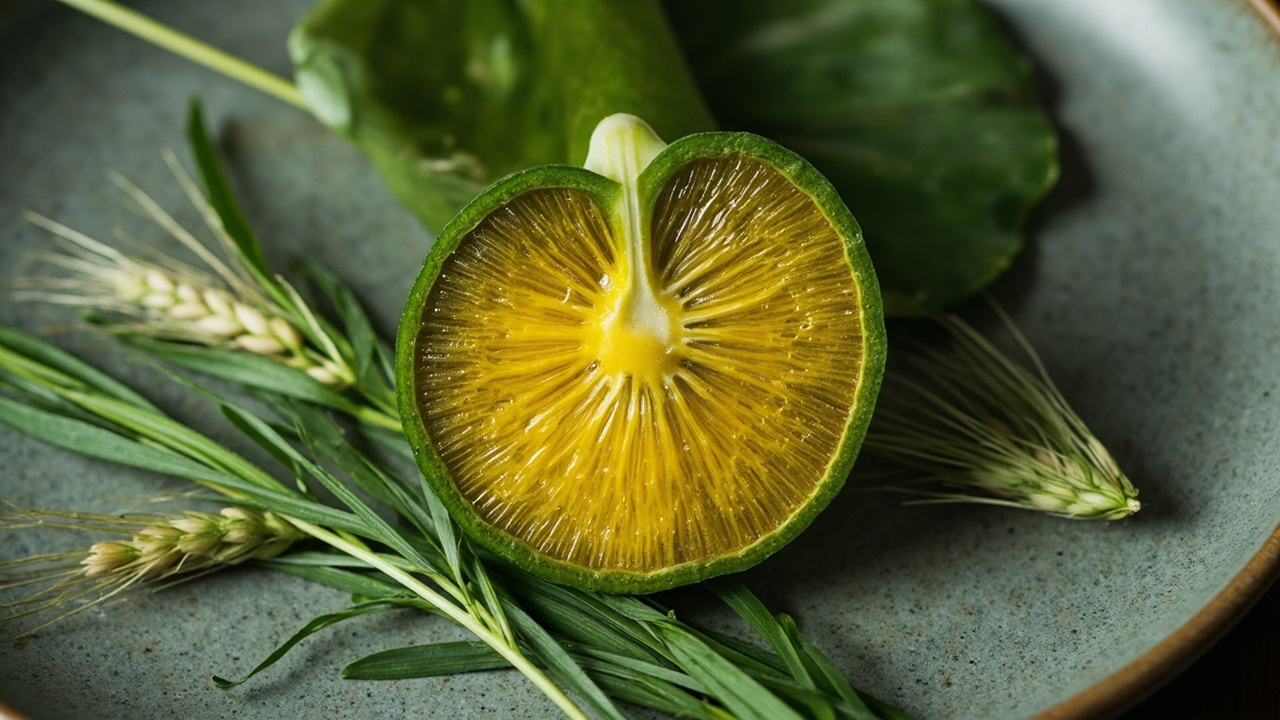
This is the layer most longevity pieces skip. They tell you that the cascade is happening. They tell you the cascade is substrate-dependent. They rarely tell you which substrate layer addresses which cascade step, in which form, and on what mineral substrate. The next three sections walk through the three inputs — Ashitaba chalcones, wheatgrass chlorophyll, barley grass SOD — and what each one actually delivers at the substrate level.
Ashitaba chalcones — the AMPK + Nrf2 activator pair most articles skip
Ashitaba (Angelica keiskei, the Japanese ‘tomorrow leaf’ so named for its legendary rapid regrowth — pick a leaf in the morning and the next day’s leaf has unfurled by evening) contains two unique chalcones in its yellow sap: xanthoangelol + 4-hydroxyderricin. These chalcones are not found in any other commonly-consumed plant. They are not in wheatgrass, not in barley grass, not in spirulina, not in chlorella, not in moringa. The chalcones activate AMPK (the cellular energy-sensor switch that mirrors the exercise + fasting effect), drive Nrf2-dependent antioxidant gene expression (HO-1, NQO1, GST), upregulate endogenous adiponectin (the insulin-sensitising ‘slim hormone’ that switches fat cells from storing to burning), and inhibit NF-κB-driven inflammation. Published in vitro + animal work supports each of these mechanisms; Hachijo Island, the Ashitaba origin island south of Tokyo, has one of Japan’s longest-lived populations with centenarian prevalence per-capita several-fold the Japanese national average.
The form matters. The chalcone longevity-pathway evidence is mostly on chalcone-standardised Ashitaba powder — not on chalcone-isolated extracts (where the supporting co-factors are missing) and not on commodity Asian-Ashitaba (where the chalcone content is variable and often much lower). BioActive Dehydration at <41°C (vs commodity heat-spray-drying at 150-200°C) preserves the heat-labile chalcone fraction; commodity Ashitaba loses 30-50% of its chalcone content to the drying step before it ever reaches the consumer. JAS-certified organic cultivation (hand-tended soil/planting/harvest, no agricultural chemicals) on a volcanic-soil highland farm is the provenance that makes the chalcone content both high and consistent. The Triple Green ashitaba component is Japan Bio Science Laboratory-sourced, JAS-organic, BioActive-Dehydration-preserved.
Wheatgrass chlorophyll — the blood-building substrate
Wheatgrass juice powder supplies the chlorophyll layer. Chlorophyll is the magnesium-centred porphyrin ring whose molecular structure closely resembles hemin (the iron-centred porphyrin in haemoglobin). This resemblance is not just chemistry trivia — the chlorophyll-hemin structural similarity supports blood-building + iron-utilisation in the diet. Wheatgrass chlorophyll content runs up to ~70% of fresh juice when BioActive-Dehydration-preserved (the highest known plant source). Commodity heat-spray-dried wheatgrass loses much of the heat-labile chlorophyll fraction to the drying step; the chlorophyll content of fresh juice declines within hours of pressing, so the dry-powder form (BioActive-Dehydration-preserved at <41°C) is the form that retains the most chlorophyll per gram.
The form matters here too. Fresh-pressed wheatgrass shots at a juice bar are a real input but the chlorophyll begins oxidising within 30 minutes of pressing and the SOD enzyme loses activity within 2-4 hours. A weekly juice-bar visit delivers an acute phytochemical spike without the sustained substrate-level input that the cellular-repair cascade depends on. The volcanic-soil substrate the wheatgrass is grown in also matters, because the cofactor minerals (iron, magnesium, manganese) that the chlorophyll + the downstream blood-building pathway depend on come from the soil.
Barley grass SOD — the superoxide-quenching enzyme
Barley grass juice powder supplies the SOD layer. SOD (superoxide dismutase) is the antioxidant enzyme that neutralises the superoxide radical produced as a by-product of mitochondrial ATP synthesis. The mitochondria produce superoxide continuously as they make ATP; SOD is the body’s frontline defence against the superoxide radical that would otherwise damage mitochondrial DNA (mtDNA, which has roughly 10× the mutation rate of nuclear DNA and is not protected by histones). Barley grass SOD content, like wheatgrass chlorophyll content, is highest when BioActive-Dehydration-preserved at <41°C — heat destroys the SOD enzyme. Commodity heat-spray-dried barley grass loses most of its SOD activity to the drying step.
The barley grass + wheatgrass pairing matters. The two grasses together supply the chlorophyll + iron-utilisation + blood-building layer AND the SOD + superoxide-quenching layer, on a shared volcanic-soil 70+-trace-mineral substrate that supplies the cofactor minerals (selenium for glutathione peroxidase, zinc + manganese + copper for SOD, magnesium for chlorophyll) the antioxidant-enzyme pathways depend on. Commodity hydroponic greens deliver the bulk plant matter without the cofactor minerals.
The volcanic-soil substrate — the cofactor-mineral layer most articles skip
The longevity-pathway evidence on Ashitaba chalcones, wheatgrass chlorophyll, and barley grass SOD depends on the cofactor minerals that the antioxidant-enzyme pathways use. Selenium for glutathione peroxidase. Zinc + manganese + copper for SOD. Magnesium for chlorophyll (the magnesium atom at the centre of the porphyrin ring comes from the soil). Volcanic-soil substrate (vs hydroponic or low-mineral-soil commodity greens) delivers 70+ trace minerals to the plant, which then delivers them to the diet. The Triple Green substrate — volcanic highland soil — is the same substrate layer that Hachijo Island centenarians have historically consumed.
The BioActive Dehydration step matters here too. The drying process preserves the heat-labile chlorophyll, SOD, glutathione peroxidase, catalase, ashitaba chalcones, and beta-carotene. Commodity heat-spray-drying at 150-200°C destroys 30-50% of these bioactives. The Triple Green drying step runs at <41°C, preserving the bioactive fraction that the cascade depends on.
What this means for the daily substrate routine
If the cascade is real (and the ST 5 Sept 2026 piece is right that it is), and if the cascade is substrate-dependent (which the cellular-repair research is converging on), then the daily substrate routine is the layer that determines the slope of the cascade over decades. The three inputs that the cascade actually depends on are the Ashitaba chalcones (AMPK + Nrf2 activator pair, unique to Ashitaba yellow sap), the wheatgrass chlorophyll (blood-building + iron-utilisation substrate, BioActive-Dehydration-preserved), and the barley grass SOD (superoxide-quenching enzyme, BioActive-Dehydration-preserved). All three of them on a volcanic-soil 70+-trace-mineral substrate. All three of them dried at <41°C to preserve the heat-labile bioactive fraction. JAS-organic Ashitaba provenance. Hand-tended cultivation. BioActive Dehydration. Volcanic-soil substrate.
The Triple Green stack (Organic Volcanic Ashitaba + Wheatgrass + Barley Grass, BioActive Dehydration at <41°C, JAS-certified organic Ashitaba from Japan Bio Science Laboratory, volcanic-soil 70+-trace-mineral substrate) is the only greens-stack on the local market that combines all three substrate layers — the Ashitaba AMPK + Nrf2 activator lever, the wheatgrass chlorophyll + blood-building layer, and the barley grass SOD + superoxide-quenching enzyme — on the volcanic-soil mineral substrate the cofactor pathways depend on. The longevity-pathway research is converging on this three-input substrate model; the daily routine is the layer that the cascade actually depends on; and the form (chalcone-standardised JAS-organic Ashitaba + BioActive-Dehydration-preserved wheatgrass + BioActive-Dehydration-preserved barley grass + volcanic-soil substrate) is what determines whether the substrate actually delivers.
References
- The Straits Times — ‘What happens in our bodies as we age’ (5 Sept 2026, ‘New Age’ longevity series) — https://www.straitstimes.com/singapore/health/what-happens-in-our-bodies-as-we-age
- CNA Lifestyle — ‘The key to ageing and longevity may be found inside our cells’ (1 March 2026) — https://cnalifestyle.channelnewsasia.com/wellness/mitochondria-longevity-health-578796
- Hachijo Island centenarian-cohort tradition — Japan Bio Science Laboratory Ashitaba provenance documentation — https://www.dyna-nutrition.com/products/triple-green/
Related Topics
The “Tomorrow’s Leaf”: Organic Ashitaba for Aging Well
The Ultimate Guide to Body Detox: How Superfood Greens Support Natural Cleansing
Wheatgrass vs Barley Grass – Are They Heaty Or Cooling?
Wheatgrass vs Barleygrass – Which One Should You Take?
Dark Green Leafy Vegetables Detox Heavy Metal
Top 10 Benefits of Eating Dark Green Leafy Greens
Liquadry’s Organic Volcanic Wheatgrass & Barley Grass
Is All the Green Foods Same? Why We Should Consume a Different Variety of Green Foods?
Product you may be interested in