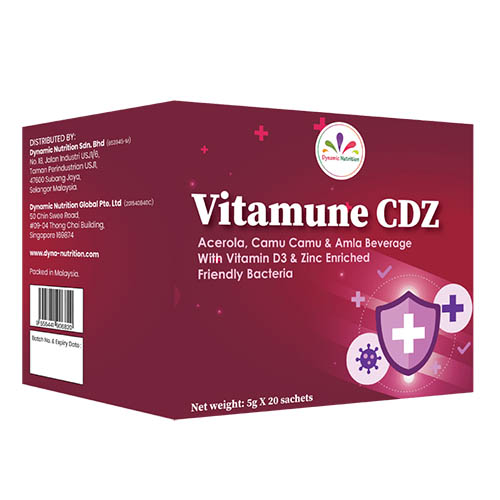
Your immune system is remarkably complex—a sophisticated network of physical barriers, specialized cells, and targeted defenders that work around the clock to keep you protected. Just as your immune system uses multiple layers of defense, the right combination of nutrients can support each of these layers in a synergistic way.
The combination of vitamin C, vitamin D, and zinc—three essential micronutrients that work together to strengthen all three lines of immune defense.

The Three Layers of Immune Defense
Think of your immune system as a fortress with three protective barriers :
1. Physical barriers – Your skin and mucous membranes act as the fortress walls, preventing viruses and bacteria from entering your body in the first place.
2. Immune cells – White blood cells patrol your body like guards, destroying any pathogens that have breached the walls.
3. Antibodies – These specialized proteins act as targeted weapons, inactivating specific invaders and remembering them for future encounters.
Each layer depends on specific nutrients to function at its best. This is where the synergistic power of vitamin C, vitamin D, and zinc comes in.
The Synergistic Trio: How They Work Together
What makes this combination unique is not just what each nutrient does individually, but how they work as a coordinated team. Recent scientific research confirms that these three nutrients have “synergistic actions in steps determinant for the immune response” .
Vitamin C: The Multi-Layer Defender
Vitamin C is one of the best-known micronutrients for immunity—and for good reason . It supports your immune system across all three layers :
-
Layer 1 (Physical barriers) : Vitamin C is required for collagen synthesis, which helps maintain the integrity of your skin and mucosal barriers . Without adequate vitamin C, these barriers weaken, making it easier for pathogens to slip through.
-
Layer 2 (Immune cells) : Specific white blood cells rely on vitamin C to stimulate their function . It supports the proliferation and activity of neutrophils, monocytes, and phagocytes—your frontline defenders .
-
Layer 3 (Antibodies) : Vitamin C enhances antibody production, helping your immune system create targeted responses against specific threats .
-
Additional benefits: As a powerful antioxidant, vitamin C protects your cells from oxidative damage caused by free radicals and regenerates other important antioxidants like vitamin E to their active state .
Vitamin D: The Immune Cell Activator
Vitamin D is primarily formed through sun exposure on your skin, but supplementation ensures you get enough regardless of season or lifestyle . Its immune roles are equally impressive :
-
Layer 1 (Physical barriers) : Vitamin D reinforces the “tight junctions” between cells in your lungs and gut—think of it as caulking the gaps in your fortress walls . It also regulates antimicrobial proteins (cathelicidin and defensins) that directly kill pathogens trying to breach these barriers .
-
Layer 2 (Immune cells) : Vitamin D is essential for activating your immune cells. It helps monocytes differentiate into macrophages (specialized pathogen-eaters) and enhances their movement and phagocytic ability . Perhaps most importantly, vitamin D is needed to turn naïve T cells into primed T cells that can effectively respond to viruses .
-
Layer 3 (Antibodies) : Through its effects on T cells, vitamin D indirectly supports the adaptive immune response that generates antibodies .
-
Anti-inflammatory effects: Vitamin D reduces pro-inflammatory cytokines while increasing anti-inflammatory cytokines, helping to calm excessive inflammation.
Zinc: The Antibody Builder
Zinc is an essential mineral that your body cannot produce on its own—it must come from diet or supplementation . Its immune functions are fundamental :
-
Layer 1 (Physical barriers) : Zinc helps maintain the integrity of your skin and mucous membranes by serving as a cofactor for enzymes that repair cell membranes . It’s also essential for skin healing .
-
Layer 2 (Immune cells) : Zinc is a necessary cofactor for the development and function of many immune cells, including macrophages, neutrophils, natural killer cells, and T cells . It also enables signaling between immune cells, ensuring coordinated responses .
-
Layer 3 (Antibodies) : Zinc is essential for the production of new antibodies . It influences the development and function of B cells, which are the antibody factories of your immune system.
-
Anti-inflammatory and antioxidant: Zinc has both anti-inflammatory properties and works against oxidative stress.
The Science of Synergy: Why the Combination Matters
Synergy in Barrier Defense
A 2020 scientific review highlighted that these three nutrients have “synergistic actions” in maintaining physical tissue barriers . Vitamin C builds and maintains the barrier structure. Vitamin D reinforces the junctions between barrier cells. Zinc helps repair damage when it occurs. Different jobs, same goal—a sealed, resilient defense system.
The Bigger Picture: Comprehensive Immune Support
The scientific literature consistently shows that these micronutrients have “complementary modes of action” throughout the immune system . They support:
-
Physical and biochemical barriers
-
Innate immune cell function (the rapid response team)
-
Adaptive immune responses (the targeted, long-term defense)
-
Inflammation regulation and antioxidant protection
A deficiency in any one of these nutrients can compromise immune function, making an individual more vulnerable to infections . This is why a combination approach matters—it addresses multiple potential weak points simultaneously.
The Bottom Line
Your immune system doesn’t rely on a single nutrient—it depends on a team of them working in harmony. Vitamin C, vitamin D, and zinc each play distinct, essential roles across all three layers of immune defense. When combined, they provide synergistic support that no single nutrient can achieve alone .
Related Topics
Is Vitamin C made of corn syrup natural?
Vitamin C, D & Zinc: Science-Backed Synergy for Complete Immune Support
An Incredible Source of Vitamin C – Acerola
Elderberry – a Superfood that contains the Highest Concentrations of Quercetin
5 Natural Treatments of Cold and Flu
People who are Susceptible to Influenza and How to Strengthen Their Immunity