MarineCal Plus
Advanced Formulation For Bone Building
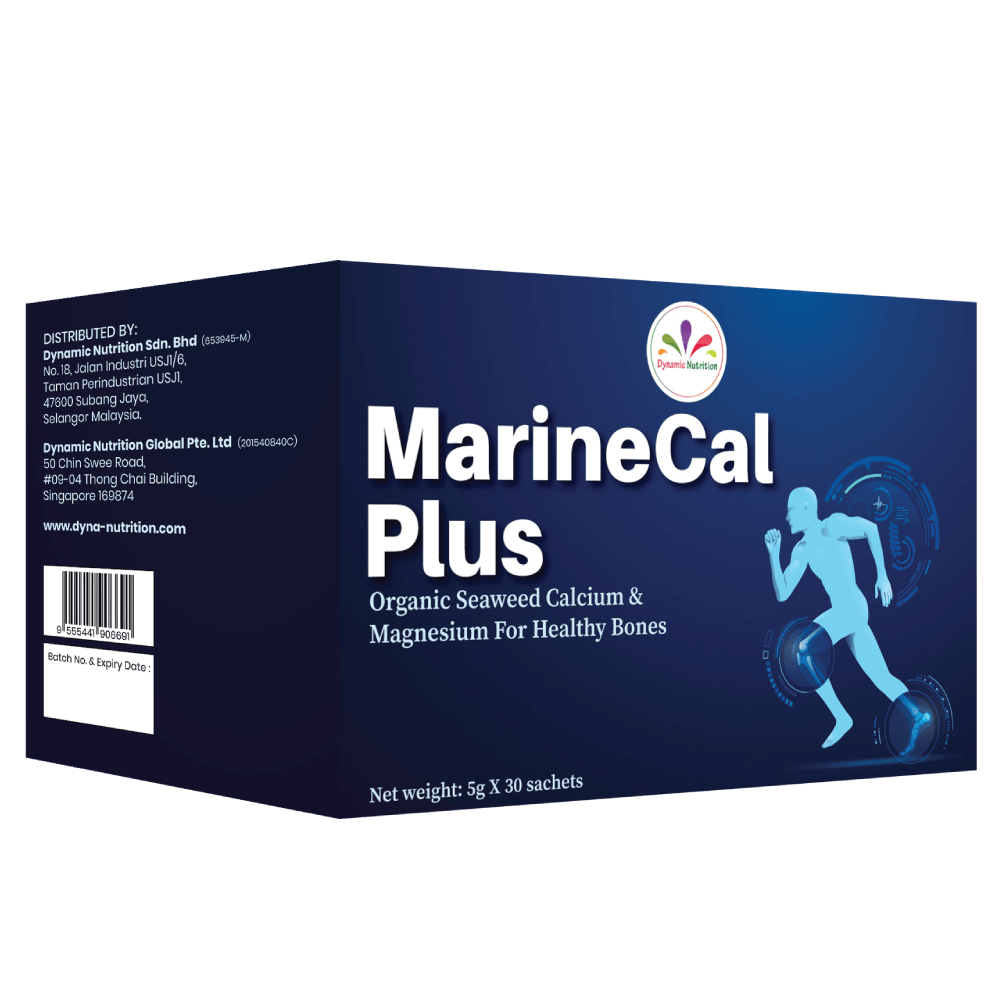
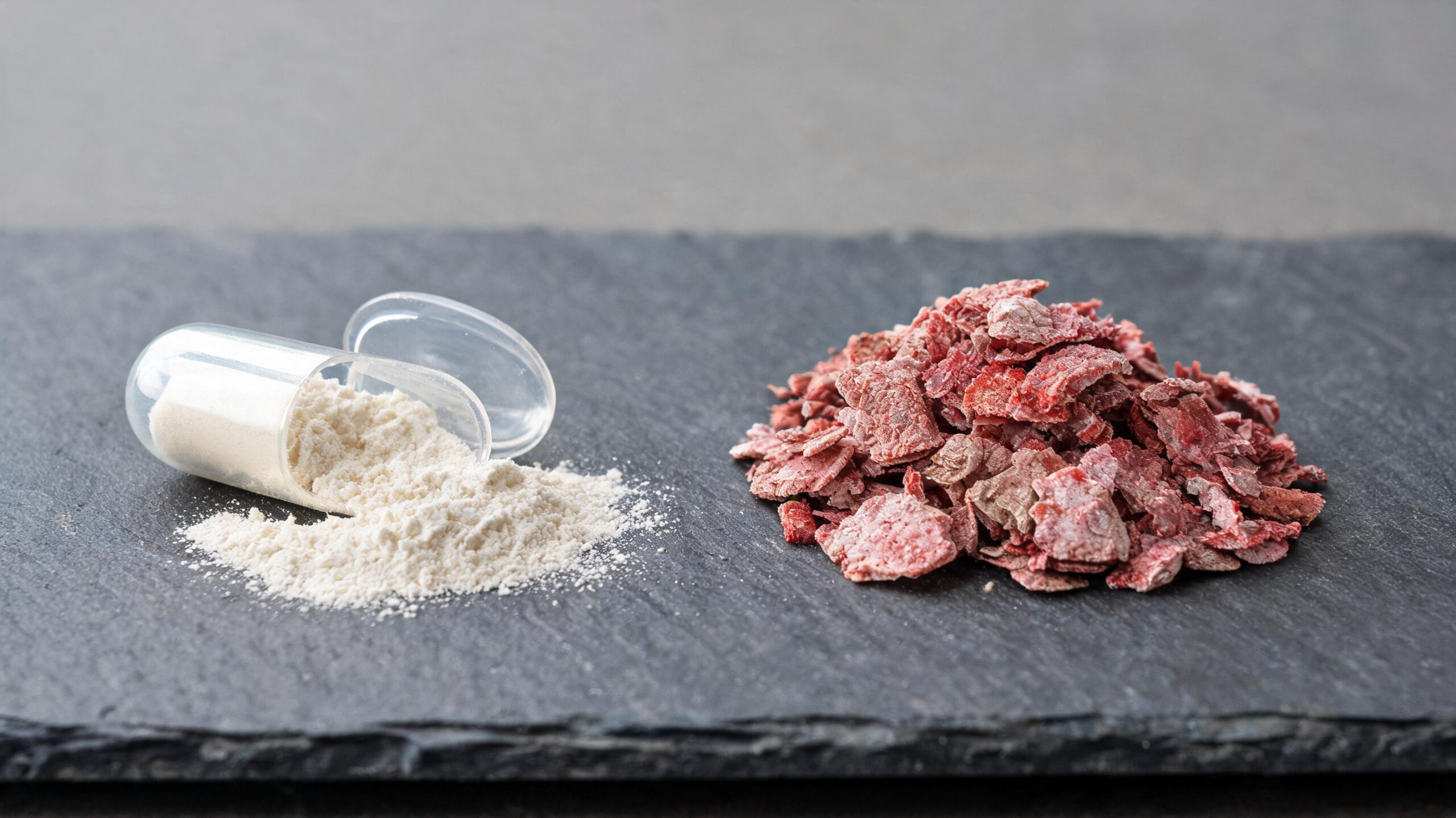
MarineCal Plus is an advanced formulation for bone building. It is a combination of Aquamin™ Seaweed Calcium with Bioactive Silica, Chlorophyll, Sesame seeds & Zinc-Enriched Yeast.
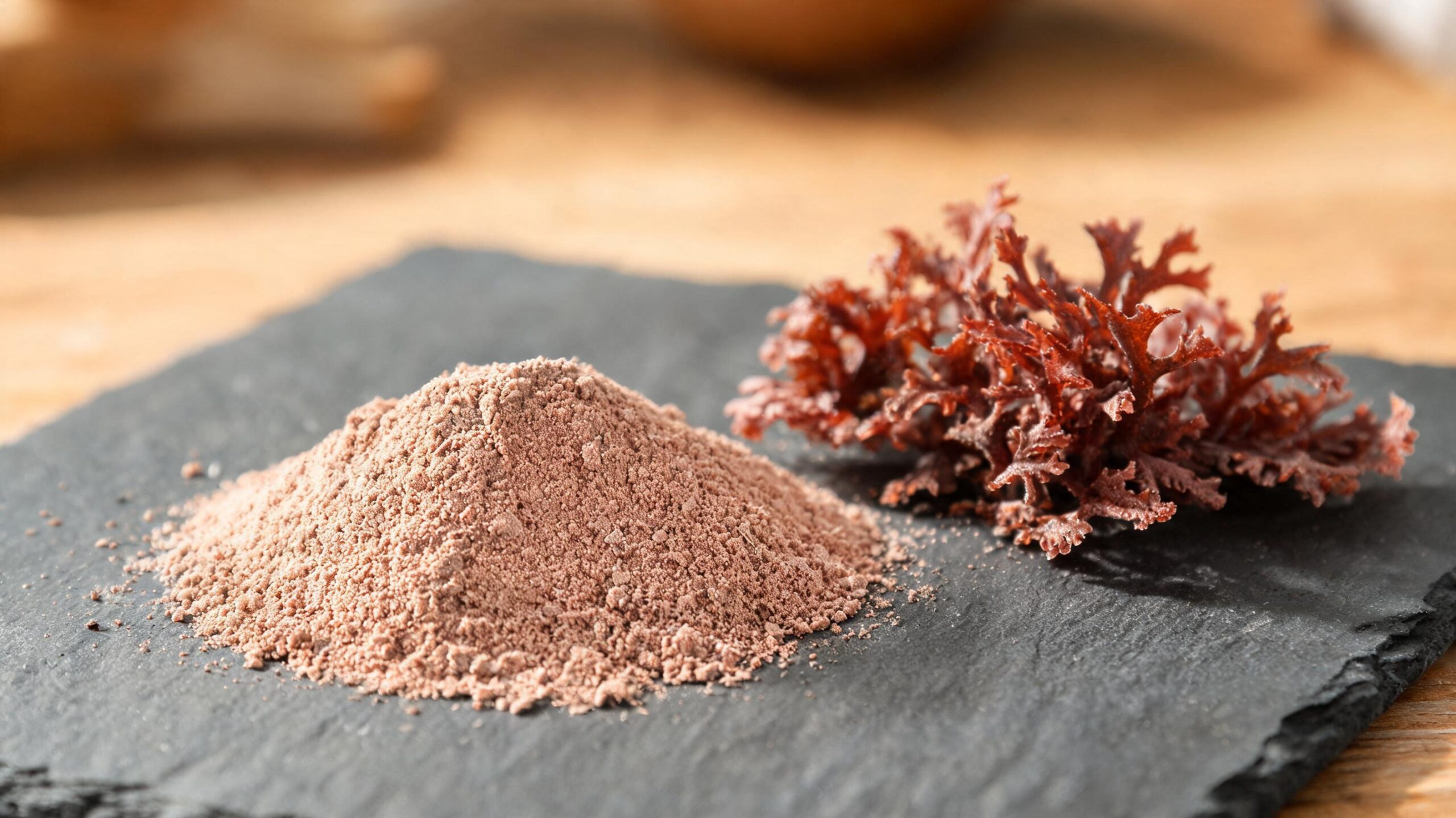
Aquamin™ is a natural mineral source produced from organic calcareous marine algae (red seaweed, Lithothamnion sp.). The red seaweed is harvested from the pristine waters of the North Atlantic seabed off the coast of Iceland.
Bioactive Silica is an important trace mineral that provides strength and flexibility to the connective tissues of your body — cartilage, tendons, skin, bone, teeth, hair, and blood vessels.
Chlorophyll is an alkaline-forming substance that strengthens our resistance to demineralization which is caused by excessive acidity. Sesame seeds are full of calcium, magnesium, copper, vitamin B1, zinc and dietary fiber. Zinc contributes to the maintenance of normal bones.
Benefits of MarineCal Plus

Whole food calcium from organic seaweed
High bioavailability - High absorption rate
Bioactive Silica improves bones density
Builds stronger and more flexible bones
Alkaline-forming food which reduces body acidity
Aquamin™ Organic Seaweed Calcium
Aquamin™ is a natural mineral source produced from organic calcareous marine algae (red seaweed, Lithothamnion sp.). The red seaweed is harvested from the pristine waters of the North Atlantic seabed off the coast of Iceland.
Aquamin™ is a great source of vegan calcium, magnesium, and over 70 trace minerals. These nutrients are easily absorbed by the body and work in harmony. Adequate calcium consumption supports bone health & circulation, while magnesium supports a healthy nervous system & restorative sleep.
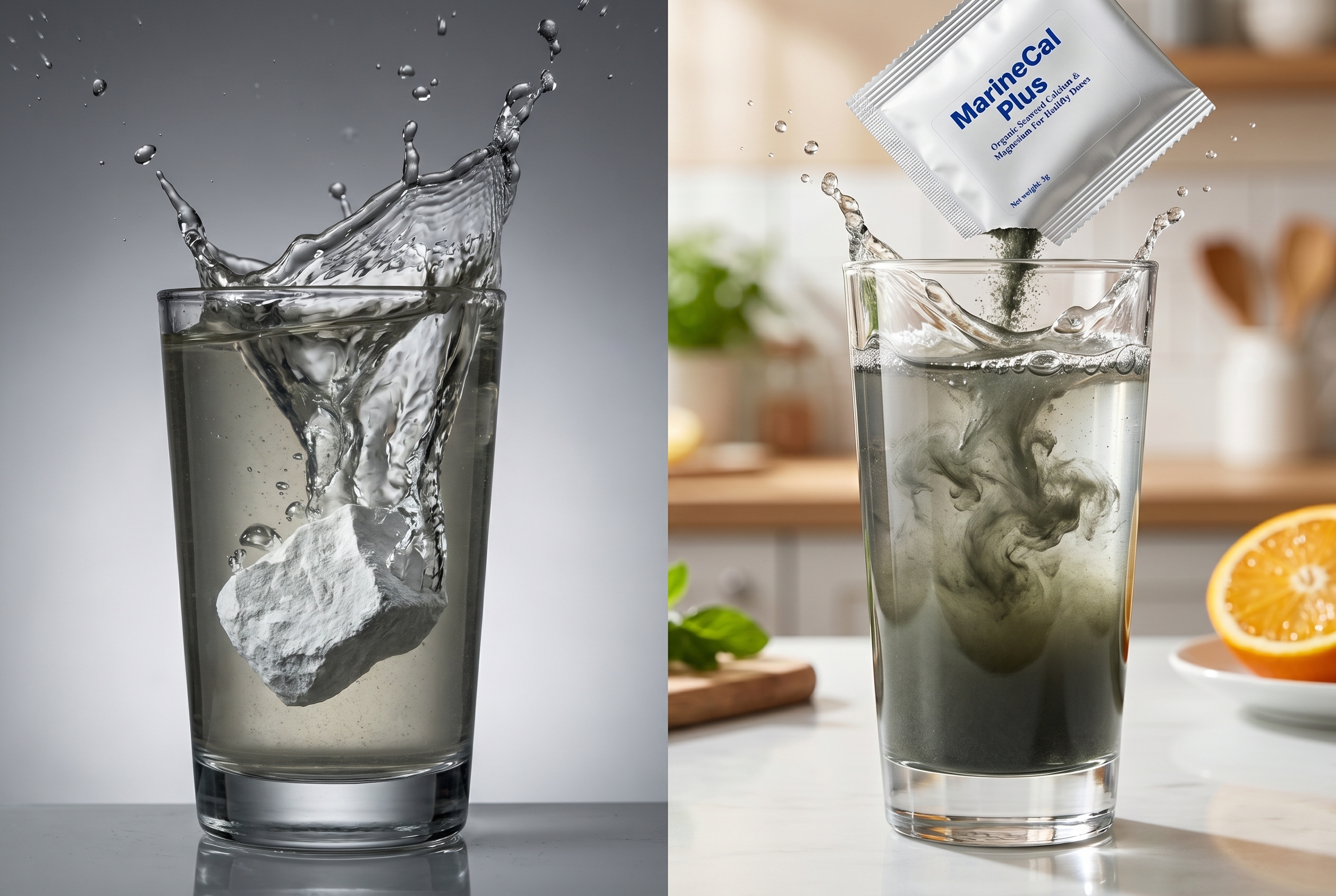
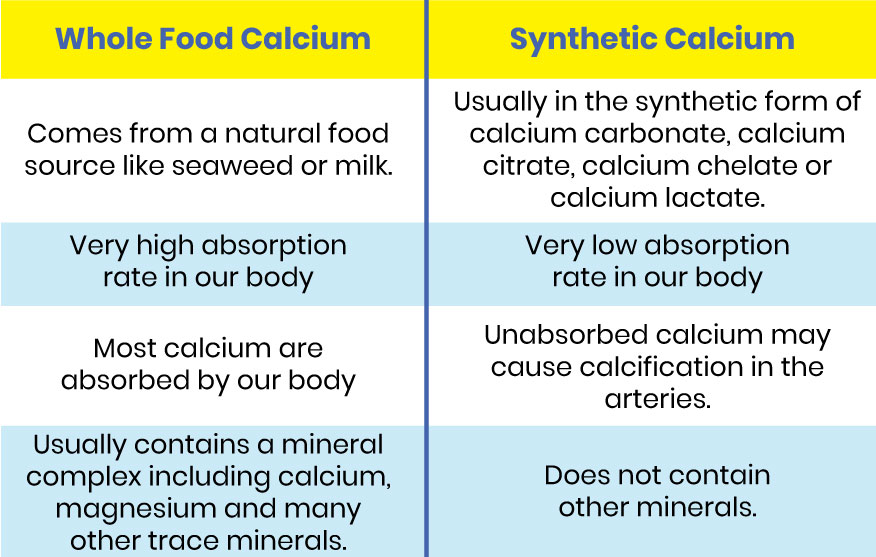
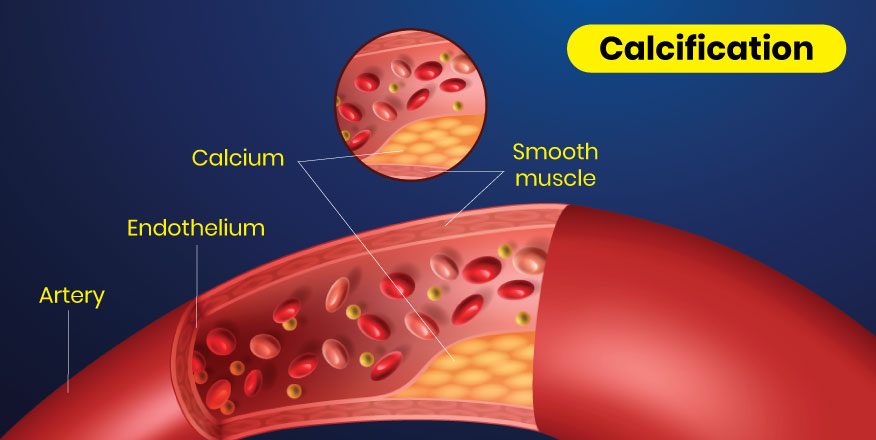
Whole Food Calcium
vs Synthetic Calcium
Bioactive Silica – The Missing Link in Bone Building
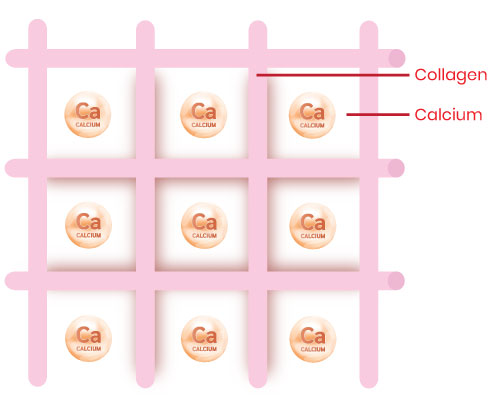
Just calcium alone cannot build strong bones. But why? It’s because the bone structure consists of more than just calcium, it is made up of collagen, calcium phosphate and bone cells.
Collagen is likened to the ‘steel frame’ on which calcium and other bone minerals are attached to, to form mineralised collagen fibrils. Although collagen only makes up 30% of bones, it is believed that collagen contributes to as much as 80% of the bone’s total strength. Without collagen, even the hardest bones can crack, shatter or break, and running, jumping and other activities could be painful.
Why is Silica Essential?
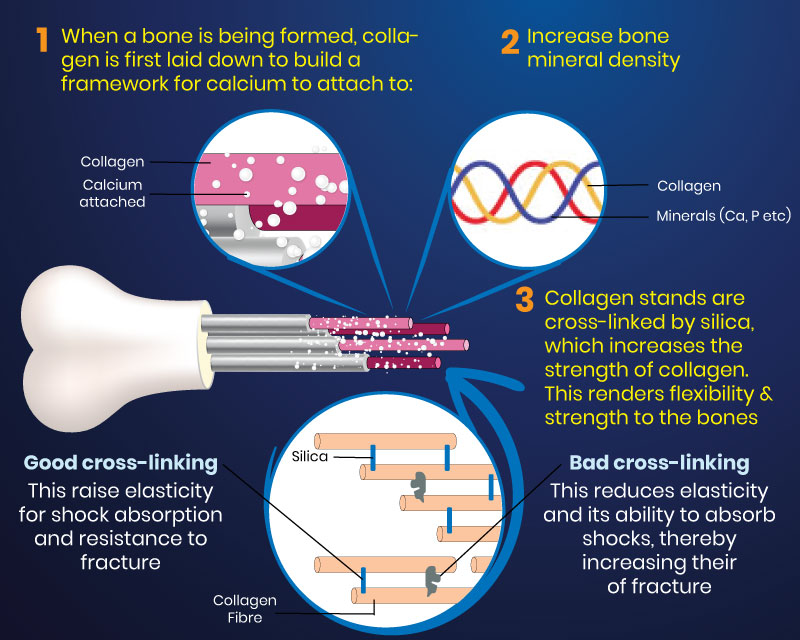
Silica is an important trace mineral that provides strength and flexibility to the connective tissues of your body — cartilage, tendons, skin, bone, teeth, hair, and blood vessels. Silica is essential in the formation of collagen which helps to keep your skin elastic, builds strong nails and hair, and provides structure to most of your body.
Silica plays an important role in strengthening your bones by facilitating the deposition of calcium and other minerals into bones, thereby helping to prevent fractures and may reduce the risks of developing osteoporosis. In short, silica improves the quality of bone matrix
Bamboo Leaf Extract – A Rich Source Of Bioactive Silica
The consumption of bamboo is nothing new. Asians have been eating the tender sprouts of fresh bamboo shoots for thousands of years. Bamboo leaves contain about 70 percent silica, which is an essential mineral commonly found in quartz, sandstone and other rocks.
While you can’t eat sandstone or rocks for silica, bamboo leaves contain bioactive silica which allows our body to absorb easily. The recommended daily amount of silica for adults ranging in age from 19-50 years old is 9-14 mg/day.
Health benefits of silica:
- Boosts collagen production – silica is a building block of collagen.
- Improves strength and elasticity of bones and joints.
- Promotes healthy hair and nail growth – hair is made up of 40% silica.
- Increases bone density.
Chlorophyll, Sesame seeds and Zinc-Enriched Yeast For Bone Health
Chlorophyll is the green pigment present in leaves which helps plants in the absorption of light from the sun. Chlorophyll is loaded with antioxidants which helps eliminate free radicals. According to studies, the anti-inflammatory properties of chlorophyll are shown to be beneficial for inflammatory-related diseases such as arthritis. Chlorophyll is also rich in calcium, magnesium & Vitamin D which are important for bone health.
Chlorophyll is an alkaline-forming substance that strengthens your resistance to demineralization which is caused by excessive acidity. It can aid in finding a proper PH balance within the body when used in conjunction with a healthy diet.
Sesame seeds are full of calcium, magnesium, copper, vitamin B1, zinc and dietary fiber. In addition, Sesame seeds contain Sesamin, a rich phytochemical found in its oil. Recent studies have shown that Sesamin has a positive effect on bone density and may help alleviate osteoporosis.
Zinc-enriched Yeast, also known as Zinc Yeast, displays high bioavailability when compared to other common zinc sources. Zinc is often overlooked when it comes to bone building – it is critical for growth and maintenance of healthy bone. Zinc both prevents the breakdown of bone and helps form new bone. Low dietary intake and blood levels of zinc are associated with osteoporosis in adult men and postmenopausal women.
Why seaweed calcium is a highly bioavailable calcium
Most calcium supplements on a Malaysian pharmacy shelf are calcium carbonate — ground limestone or crushed shell, pressed into a tablet. It is cheap and it is concentrated, and it has one practical problem: it needs stomach acid to dissolve, and it has nothing else in it. Seaweed calcium is a different proposition, and the difference is measurable.
Aquamin™, the seaweed calcium in MarineCal Plus, is derived from Lithothamnion red marine algae harvested from the North Atlantic seabed off Iceland. The algae naturally deposits a porous, honeycomb mineral structure as it grows. That structure is why seaweed calcium is often described as a high bioavailability calcium: the mineral matrix is fine and open rather than dense and crystalline, so it presents a far greater surface area to the gut than a compressed tablet does.
Just as importantly, seaweed calcium is not calcium alone. Aquamin™ carries over 70 trace minerals alongside the calcium — magnesium, zinc and others — in the same food-form matrix the plant built. That matters because bone is not made of calcium by itself, and because minerals that occur together in food tend to be handled together by the body.
Seaweed calcium compared with the common calcium salts
| Form | Where it comes from | What else it carries | Worth knowing |
|---|---|---|---|
| Seaweed calcium (Aquamin™) | Calcified red marine algae | 70+ trace minerals including magnesium | Porous food-form matrix; the form used in MarineCal Plus |
| Calcium carbonate | Limestone, chalk, crushed shell | Calcium only | Needs stomach acid; the most common cause of constipating calcium tablets |
| Calcium citrate | Calcium salt bound to citric acid | Calcium only | Absorbs without stomach acid, but still a single isolated mineral |
| Calcium from food | Milk, dairy, small fish with bones, leafy greens | Varies | The benchmark — but most Malaysian adults fall short of it |
How MarineCal Plus supports bone density
Bone is not a calcium rod. It is a protein scaffold — collagen — that has been mineralised. Collagen is roughly 30% of bone by weight, and it is the part that gives bone its flexibility and its resistance to fracture. Calcium and phosphate crystals bind to that scaffold; without a healthy scaffold there is nothing for the mineral to attach to.
That is the reasoning behind the MarineCal Plus formula, and it is why “just add calcium” is an incomplete answer to the question of how to increase bone density:
- Seaweed calcium (Aquamin™) supplies the mineral — 384 mg per sachet — together with magnesium and over 70 trace minerals.
- Bioactive silica from bamboo leaf extract is involved in the cross-linking of collagen fibres. Cross-linking is what gives the collagen scaffold its elasticity and its ability to absorb shock.
- Sesamin, from sesame seed extract, is the phytochemical the page above notes has been studied for its effect on bone density.
- Zinc-enriched yeast (Lalmin) contributes to the maintenance of normal bones. Zinc is involved in both the formation of new bone and the limiting of bone breakdown.
- Chlorophyll is alkaline-forming and supplies magnesium and vitamin D alongside the minerals above.
In other words, MarineCal Plus is built as a bone-building stack rather than a calcium tablet: the mineral, the collagen co-factor, and the trace minerals that support them.
Calcium for older adults: what changes after 50
Calcium matters at every age, but the calculus shifts as you get older, and it is worth understanding why.
- Absorption declines. The gut becomes less efficient at taking calcium up, so the same dose delivers less than it did at 25.
- Stomach acid declines. Many adults over 50 produce less acid, and a large share take acid-suppressing medication. Calcium carbonate depends on that acid to dissolve — which is one reason a food-form seaweed calcium is often the more sensible choice in this age group.
- Tolerance becomes a real constraint. Constipation and bloating are the most common reasons older adults abandon a calcium supplement, and carbonate is the usual culprit. A calcium supplement that does not cause constipation is worth more than a cheaper one you stop taking.
- Bone loss accelerates after menopause. Women lose bone mineral density fastest in the years immediately after menopause, which is why calcium for elderly women is such a common concern — and why it is worth acting on early rather than after a fracture.
Most adults are advised to aim for roughly 1,000 mg of calcium a day from food and supplements combined. At 384 mg per sachet, MarineCal Plus is designed to close the gap that diet leaves — not to replace calcium-rich food. If you are being treated for osteoporosis, or you take a prescription bone medication, tell your doctor what you are taking.
Common questions about MarineCal Plus
1. How much calcium is in one sachet?
Each 5 g sachet provides 384 mg of calcium from Aquamin™ seaweed calcium, together with 24 mg magnesium, 6 mg zinc and 12 mg silica.
2. Does a seaweed calcium supplement cause constipation?
Constipation is the most frequently reported problem with calcium carbonate, which is the form most tablets use. Seaweed calcium is a whole food-form mineral and also brings magnesium with it, which supports normal bowel function. Most people who have struggled with carbonate tablets tolerate MarineCal Plus well — but if you are prone to constipation, start with one sachet a day and see how you respond.
3. Does seaweed calcium contain iodine?
Marine-sourced minerals can carry small amounts of naturally occurring iodine, and the level varies from batch to batch. If you have a thyroid condition, or you have been advised to watch your iodine intake, check with your doctor or pharmacist before starting.
4. Can I take MarineCal Plus if I have had kidney stones?
Some people are told to avoid calcium after a kidney stone, but the usual advice is about oxalate rather than calcium, and suddenly cutting calcium can do more harm than good. This is genuinely a question for your doctor, who knows your stone type and history.
5. When and how should I take it?
Mix one sachet into 125 ml (half a cup) of water or juice below 50°C, and drink it. It is a drink mix rather than a tablet, which suits anyone who already takes several capsules a day.
6. Can I take MarineCal Plus with other supplements?
Calcium competes with some minerals for absorption, so it is usually best taken separately from a high-dose iron or zinc supplement. If you take thyroid medication or certain antibiotics, leave a gap of a few hours and confirm the timing with your pharmacist.
Product Information
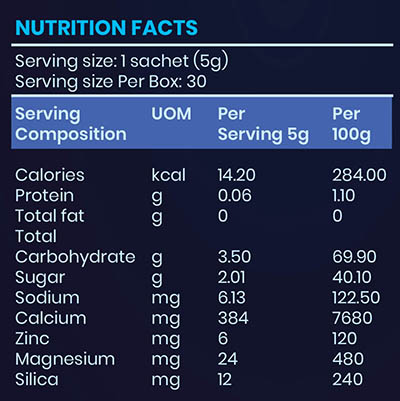
INGREDIENTS:
Aquamin™ organic red seaweed powder, chlorophyll, fermented yeast powder, sesame seed extract powder, bamboo leaf extract powder and stevia.
Net weight: 5g x 30 sachets.
STORAGE:
Keep in cool dry place. Avoid from direct sunlight.
Color, texture, smell and taste may vary slightly from batch to batch due to properties of all natural ingredients.
DIRECTION:
Mix 1 sachet of MarineCal Plus powder in 125ml (1/2 cup) water or juice (below 50°C).