You eat the same clean salad at lunch — but by 3 PM your stomach’s a balloon. Sound familiar? The culprit is rarely the food itself. These four overlooked triggers explain why.
Bloating is one of the most common digestive complaints in Malaysia and Singapore. According to a 2024 review published in Clinical Gastroenterology, approximately 30% of adults in Asia report regular post-meal bloating or abdominal distension — making it one of the top five reasons people seek gastroenterology advice in the region.
If you’ve ever felt like your jeans don’t fit by mid-afternoon, even though you “ate well” — you’re not imagining it. And if you’ve cut out gluten, dairy, or onions without relief, the trigger likely isn’t the food on your plate at all.
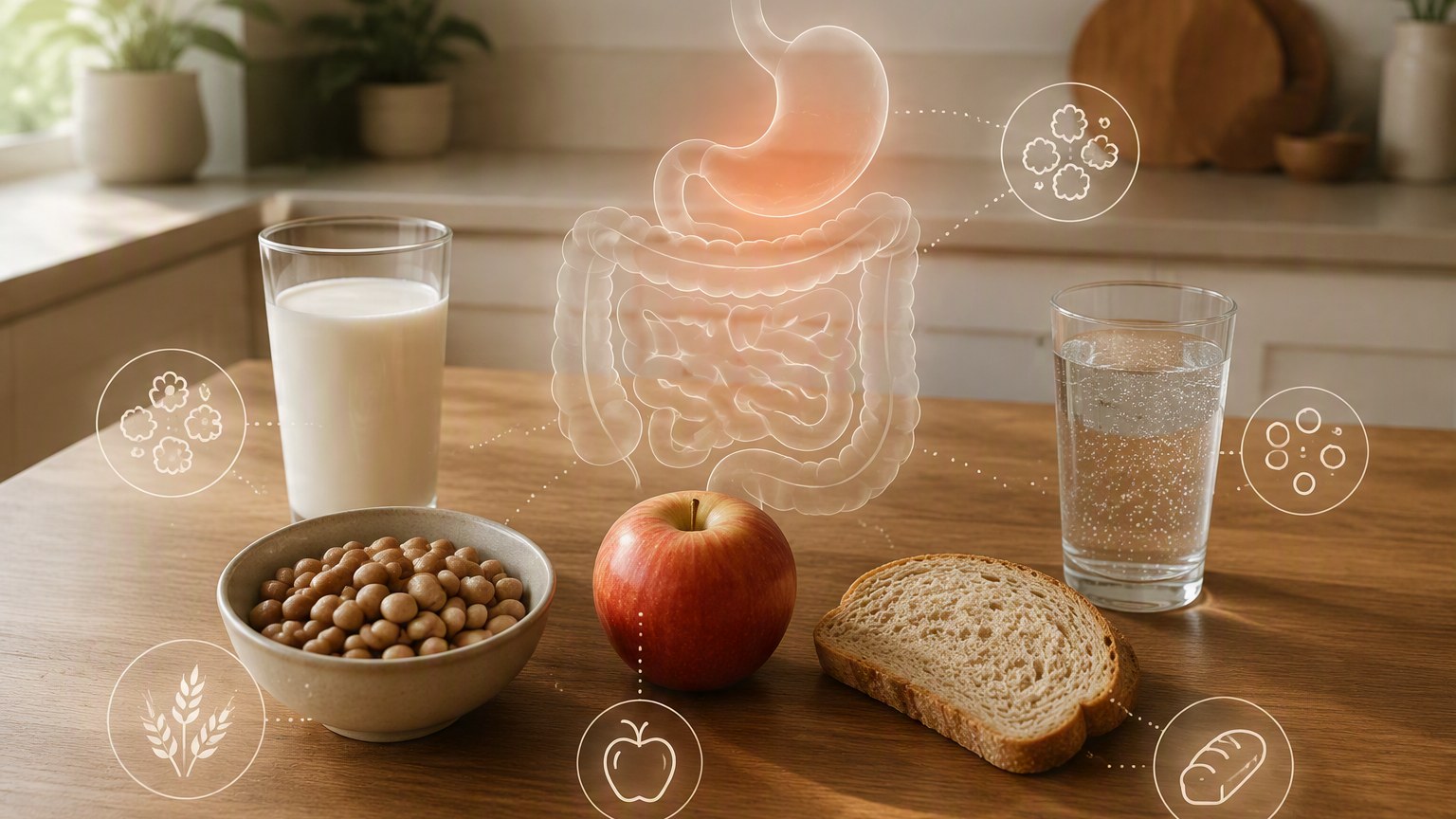
The 4 ‘Quiet’ Triggers Most People Miss
Bloating after meals usually has a functional cause, not an allergy or intolerance. Here are the four culprits dietitians see most often in clinic — and what to do about each one.
1. Chronic Low-Grade Stress
Stress doesn’t just live in your head — it directly alters how your gut moves. When the body is in chronic “fight or flight” mode (driven by cortisol and adrenaline), the migrating motor complex — the gut’s natural housekeeping rhythm between meals — slows dramatically. Food sits longer. Gas builds. You feel distended.
A 2023 study in Neurogastroenterology & Motility showed that adults reporting high daily stress had 2.4× higher odds of functional bloating, independent of diet quality.
What helps: a 10-minute walk after meals, slow nasal breathing before eating, and avoiding large meals during high-stress windows. These simple shifts activate the parasympathetic (“rest and digest”) state your gut needs.
2. Low Stomach Acid
Most people assume bloating means too much acid. The opposite is often true. Hypochlorhydria — low stomach acid — affects a significant share of adults over 40, and it’s worsened by long-term antacid use.
Stomach acid’s job isn’t just digestion — it activates pepsin, sterilizes incoming food, and triggers the release of pancreatic enzymes further down. When acid is too low, food ferments in the stomach instead of digesting, producing gas, pressure, and that classic “rock in the belly” sensation.
What helps: Apple cider vinegar (1 tbsp in water) before meals, bitter herbs (gentian, dandelion), and avoiding drinking large volumes of liquid with meals — which dilutes the acid you do have.
3. Low Microbial Diversity
A healthy adult gut hosts ~1,000 bacterial species. When that diversity drops — from antibiotics, ultra-processed diets, or chronic stress — the microbes that ferment fiber efficiently are outnumbered by ones that produce excess gas.
Research in Cell Host & Microbe (2024) found that adults with low microbial diversity consistently produced more hydrogen and methane during a standard fibre load — directly translating to more bloating after fibre-rich meals like beans, lentils, and cruciferous vegetables.
What helps: a multi-strain probiotic (Lactobacillus, Bifidobacterium, Streptococcus thermophilus), prebiotic fiber from diverse sources (oats, bananas, asparagus, onions), and — most importantly — fermented foods daily (kefir, yoghurt, kimchi). A single strain isn’t enough; diversity matters more than CFU count alone.
4. Post-Antibiotic Dysbiosis
Even a single course of antibiotics can disrupt gut flora for 6–12 months. Multiple courses — common in our region for recurrent infections — can permanently shift the gut ecosystem toward gas-producing species.
A landmark 2022 study in Nature Microbiology tracked 30 patients through a 7-day antibiotic course and found that even one year later, several participants had not fully recovered their original microbial profile.
What helps: if bloating started after a course of antibiotics, a 90-day multi-strain probiotic + prebiotic protocol can meaningfully restore diversity. Saccharomyces boulardii yeast is also particularly useful for antibiotic recovery.
When Bloating Is a Red Flag
Most post-meal distension is functional — meaning the gut is healthy but reacting to one of the above triggers. But see a doctor if you notice:
- Unintentional weight loss
- Blood in stool or black stools
- Bloating that doesn’t come and go (persistent)
- Severe pain that wakes you at night
- New bloating after age 50 with no obvious cause
These can signal coeliac disease, SIBO (small intestinal bacterial overgrowth), ovarian issues, or — rarely — more serious conditions. Get them ruled out before self-treating.
Why Diversity — Not Just CFU — Matters for Bloating
Walk down the supplement aisle and every probiotic label shouts its CFU count — 10 billion, 30 billion, 100 billion. But research consistently shows strain diversity matters more than CFU when it comes to bloating and digestive comfort.
A multi-strain formula that includes Lactobacillus, Bifidobacterium, and complementary species like Streptococcus thermophilus covers more of the gut’s natural ecosystem — which is exactly what triggers 1, 3, and 4 above require to work properly.
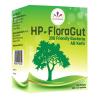
HP FloraGut delivers 30 billion CFU across 7 clinically-studied strains, combined with AB Kefir postbiotic metabolites and SYNTEK™ thorough technology for stability without refrigeration. For adults dealing with bloating tied to microbial diversity gaps, antibiotic recovery, or chronic stress — a diverse multi-strain formula addresses more root causes than a single-strain high-CFU pill.
The Bottom Line
Bloating after meals is usually a signals problem, not a food problem. Before you cut another food group, check the four quiet triggers: chronic stress, low stomach acid, low microbial diversity, and post-antibiotic dysbiosis.
Address the underlying trigger, and the bloating usually resolves on its own — no elimination diet required.
Want to support your gut’s microbial diversity with a clinically-studied multi-strain probiotic? Learn more about HP FloraGut
Related Topics
When is the Best Time to Take Probiotics?
Do we need both Prebiotics and Probiotics?
Bacterial Vaginosis – Tips for Prevention and Treatment
Gastric Pain: Location, Symptoms and Natural Remedies
Is Your Digestive System Working Well?
What is Irritable Bowel Syndrome (IBS)?
How Probiotics can help you Prevent and Fight Allergies
Please Pay Attention! Eating Probiotics like These Ways are not Effective
Smart Food Choices for Working Adults